
Remember me
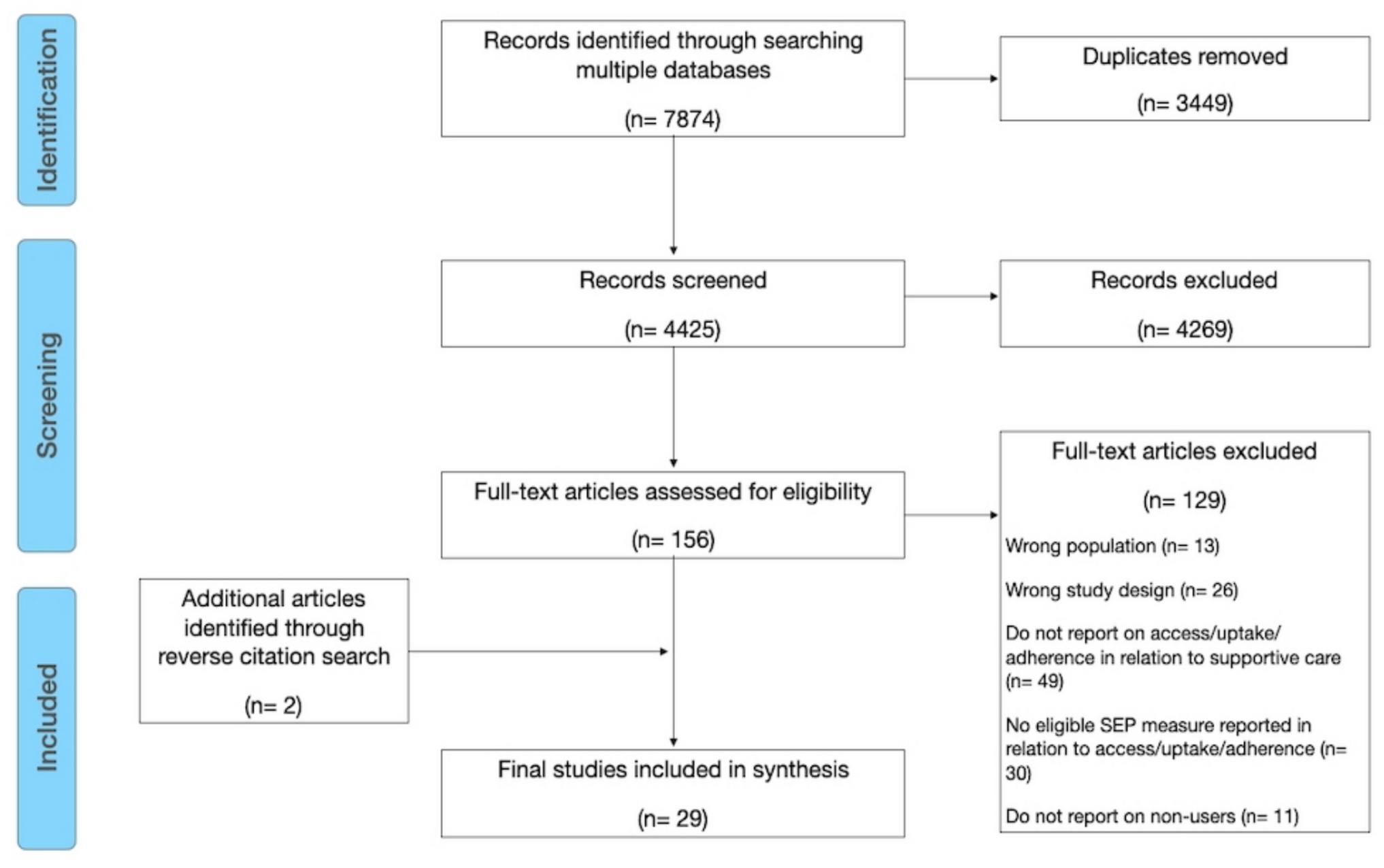


Evidence-based guidelines advise cancer clinicians to recommend exercise to patients in order to mitigate cancer and treatment-related side-effects [6,7,8,9,10,11,12]. While previous work provides insight into screening and referral aspects of exercise recommendations [22,23,24,25,26,27,28], cancer clinicians have little pragmatic guidance on how to initiate conversations about exercise and how exercise recommendations can be aligned with patient needs and preferences. This study begins to address this knowledge gap by identifying that patients would be more likely to consider exercise as part of their cancer care plan if information was provided during a discussion with their cancer clinician, introduced early in the care continuum and reiterated often, using personalised and cancer-specific messaging that was supported by referral to cancer-specific exercise services (Fig. 1).
Fig. 1
Quick reference guide for healthcare professionals
Participants in this study identified a clear preference for receiving information about exercise through discussion with their clinicians rather than via print/online content. This was underscored by the finding that if exercise went unmentioned by cancer clinicians, patients perceived exercise to be unimportant in their care or interpreted the omission as permission to be inactive. The potential of clinicians to modify exercise attitudes and beliefs of patients has been defined as a factor that can either facilitate or inhibit exercise intentions when information is provided or absent from consultations [32,33,34,35,36]. Data from this study quantifies the extent to which clinician advice impacts patient behaviour, with over 90% (n = 430) of cancer patients surveyed being influenced to exercise by their cancer doctors or nurses’ advice, and only 1% (n = 6) of patients not at all influenced. Participants attributed this level of influence to the authority and credibility of cancer clinicians which is in line with previous research linking trust in practitioners with treatment adherence [29, 30]. Clinician-initiated discussions about exercise were desired, supporting previous evidence that 86% of patients with cancer thought it was the “doctor’s duty” [49] to provide physical activity advice (data from a survey of 222 adults with a cancer diagnosis in the United Kingdom [49]). Despite the challenges to discussing exercise in time-constrained clinical consultations [19, 20], results from this study indicate that doing so would align with patient preferences, and likely influence exercise intentions.
Clinicians have been encouraged to capitalise on teachable moments during a cancer experience [50] but in the absence of evidence-informed strategies, are left to make judgements about when is the optimal time to recommend exercise [51]. Our data indicated that earlier in the cancer continuum is the most preferred time to receive information about exercise. There was also a preference for exercise information to be provided regularly as patients explained that hearing about exercise multiple times during their care would help establish exercise as an important component of their treatment. Collectively 94% (n = 427) of patients most preferred to receive exercise information early and regularly throughout the care continuum, but these options were also least preferred by some patients (i.e. 11% [n = 48] least preferred shortly after diagnosis). There was a contrast between the rationale of wanting information early when patients felt eager and willing to do whatever they could to get through cancer, and feeling too overwhelmed to retain information or act on advice. It is unclear if preferences for timing of receiving exercise information matches to the time in which patients may be most amenable to acting on the recommendation. Previous work has described patient preferences for exercise programs at various times throughout the cancer care continuum with a tendency towards after finishing treatment [32,33,34,35]. It is unclear how an early recommendation from a clinician would influence the theoretical constructs underpinning behaviour change and whether patients would exercise sooner than they may have otherwise preferred [36, 37]. Preferences for receiving exercise information early in the care continuum corresponds with physiological rationale for early exercise intervention to mitigate treatment-related side effects [1,2,3,4,5,6,7,8,9,10,11,12, 52,53,54].
Various evidence-based benefits of exercise can be used to inform patients about the role of exercise in cancer care [1,2,3,4,5,6,7,8,9,10,11,12, 52,53,54], but it is unclear what information matters most to patients. This study observed cancer patients may be persuaded to exercise by a vast array of messages, with only 3% (n = 11) indicating nothing would convince them to exercise. There was no clear preference for certain exercise benefits as motivators to exercise. Patients instead identified targeted, personalised information to be most compelling. Our data indicate that it appears unlikely that generic exercise advice will prompt adherence, rather, behaviour change may be more likely when exercise information is linked to what matters most to each patient [31, 55]. Patients also identified that exercise recommendations were ineffectual when delivered using generalised statements (e.g. be active/keep up your exercise). If exercise was framed as important in their cancer care participants felt more convinced to act on the information. Thus, when deciding what to say when recommending exercise, providing individualised cancer-specific information is most likely to align with patient preferences. The ability of clinicians to navigate a personalised conversation about exercise is expected to impact patient adherence, as meta-analyses indicate the odds of patient adherence are 2.16 (95% confidence interval 1.91–2.35, p = 0.001) times higher if their clinician is a skilled communicator [29].
A key question to capitalising on clinician exercise recommendations is what actions do patients want/need from their cancer care team to help them adhere with exercise guidelines. Receiving referrals to a cancer-specific exercise specialist or program were most preferred by patients. Patients described a desire for expert guidance from a qualified health professional that is personalised and cancer-specific rather than having to figure it out by themselves. These preferences align with the strong emphasis throughout the literature for the development of exercise oncology programs and referral guides [1,2,3,4,5,6,7,8,9,10,11,12, 22,23,24,25,26,27,28, 52,53,54]. Patients also valued a written exercise recommendation from their doctor and/or nurse. While patients described wanting detailed information on what exercises to do for their individual circumstances, they acknowledged that to be outside their cancer doctor/nurse scope of practice. It’s possible that an overarching written recommendation proactively provided by their clinician was desired to aid patient recall of verbal advice and substantiate the clinician’s endorsement of exercise being important in their cancer care [39, 56]. This content should not be likened to information brochures/postcards which were least preferred by patients. Patients discussed being inundated by brochures to read and disliking generic information, but still acknowledged the value of the information they contain.
Several limitations to this study should be considered when interpreting the findings. The self-selecting sample of participants introduce bias through an implied interest in exercise and/or research. Participants were proficient in English and had relatively higher socio-economic status that may not be reflective of the broader cancer population. Thus, reported outcomes among culturally and linguistically diverse patients and groups with the poorest cancer experiences are unclear. Future research is required to better understand patient preferences for exercise information at different timepoints across their disease and treatment trajectory, and importantly to explore the preferences of people from diverse backgrounds for information and support to engage with positive health behaviours such as exercise.
When faced with the challenge of implementing exercise recommendations in routine cancer care, clinicians have been disadvantaged by a lack of evidence regarding how and when information should be given, what information matters to patients and what actions would help patients adhere to evidence-based guidelines. This study provides new data to address these questions and help clinicians deliver exercise recommendations that are informed by and responsive to patient needs and preferences (Fig. 1). While only one element of the multifaceted implementation effort required to translate exercise oncology evidence into practice [57, 58], this new knowledge allows for the development of pragmatic tools and strategies to support the skilled provision of exercise information and optimise the effectiveness of exercise recommendations. The next step in this body of work is to determine the unmet needs and preferences of cancer clinicians to encourage uptake of evidence informed exercise among patients in their care. Our team is currently preparing a publication reporting on these important perspectives.
Comments (0)