Model informed assessment of QT prolongation during drug development: a five-year retrospective analysis of EMA scientific advices
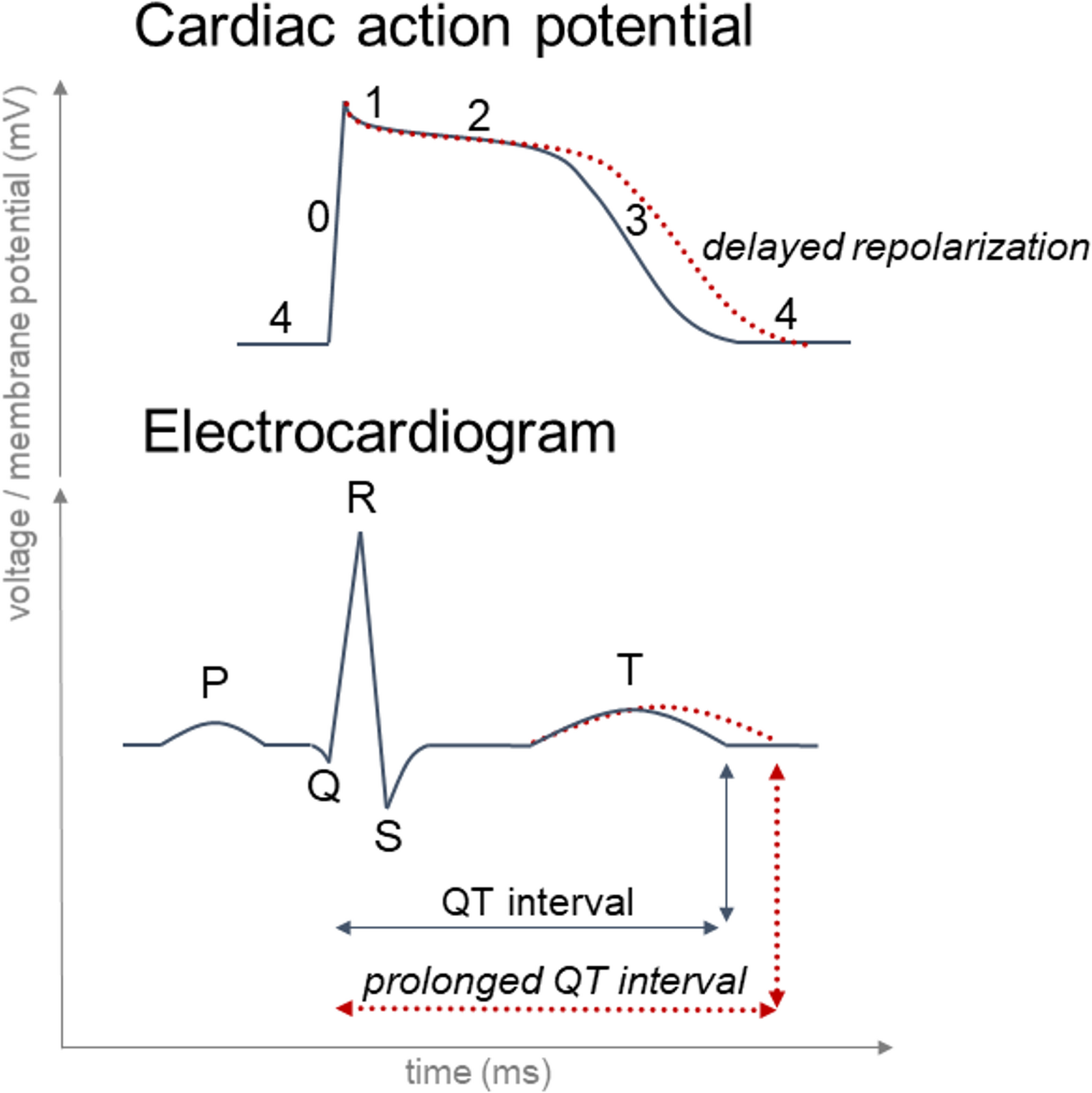
Regulatory evaluation of QT interval prolongation remains central to cardiac safety assessment in drug development. Since the 2015 revision of the ICH E14 Q&A, concentration–QT (C-QT) modelling has been formally recognized as an acceptable alternative to dedicated Thorough QT (TQT) studies, offering ethical and practical advantages. This study aimed to characterize how the European Medicines Agency (EMA) has assessed C-QT modelling approaches over the past five years, with particular focus on regulatory acceptance of TQT waiver requests and the recurring drivers of rejection. A retrospective review was performed of EMA Scientific Advice (SA) documents issued between January 2020 and January 2025. Using the internal text-mining platform Scientific Explorer, 524 SA cases (4,196 applicant questions) were screened for “QT” or “QTc.” A custom Python tool extracted relevant discussions, which were subsequently categorized by expert review. Regulatory feedbacks were classified as supportive, conditionally supportive, or unsupportive. Among 110 QT-related requests, 81% sought TQT waivers, most justified by C-QT modelling. Of these, 70% were supported, 9% conditionally endorsed, and 21% rejected. Common rejection drivers included insufficient exposure margins (n = 8), study design limitations (n = 5), data gaps (n = 7), unclear methodological reporting (n = 5), QTc interpretation concerns (n = 5), and additional methodological weaknesses (n = 4). In nine supportive cases, safety margins were endorsed in principle but lacked detailed documentation. C-QT modelling is widely accepted by EMA when adequately supported. However, gaps in exposure justification and reporting continue to challenge regulatory confidence, emphasizing the need for standardized practices in QT risk assessment.


Comments (0)