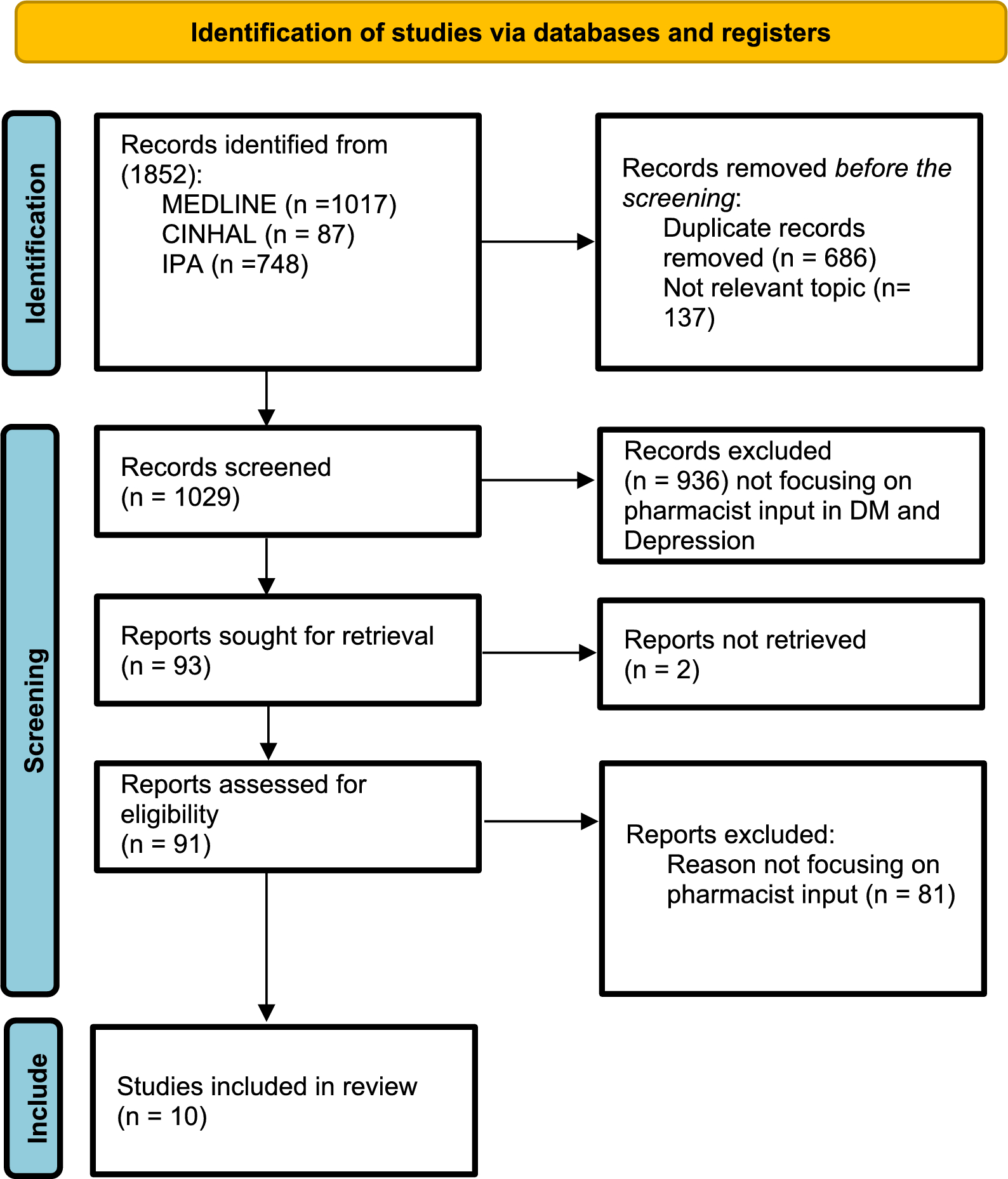
To summarise the distinctions and similarities, a search was conducted in Medline, CINAHL, and PsycINFO to explore relevant articles and documents related to diabetes self-care and self-management. This included various interchangeable terms such as ‘diabetes self-care,’ ‘diabetes self-management education,’ ‘diabetic patient-centred care,’ and ‘diabetes customised care.’ This broad approach ensured the comprehensive extraction of diverse perspectives and concepts. The literature search identified 15 relevant documents, selected based on their relevance to diabetes self-care or self-management and their contribution to understanding the intricacies of diabetes care.
Table 2 summarises the nuanced distinctions and commonalities between these concepts. It highlights the varied interpretations of self-management and self-care, emphasising their complementary roles in comprehensive diabetes management [14,15,16,17,18,19,20,21,22,23,24,25,26,27,28,29]. Organisations such as the National Institute for Health and Care Excellence (NICE) and the American Diabetes Association (ADA) emphasise the importance of educating patients, their family members, and caregivers to ensure they possess the knowledge, skills, and abilities necessary for effective diabetes self-care [15, 24]. According to the ADA, diabetes self-management and self-care are closely connected processes that empower individuals to manage their condition actively, ultimately leading to improved health outcomes and quality of life [23].
Table 2 Summary of self-management and self-care concepts in diabetes careSelf-management and self-care are integral, yet distinct, components of diabetes care. Self-management involves patient behaviours guided by healthcare professionals, including goal setting, behaviour modification, and collaborative action planning. For instance, diabetes self-management education (DSME) programs aim to provide patients with the tools and knowledge necessary for effective disease control. These programs emphasise partnership between patients and providers, fostering shared responsibility for achieving glycaemic targets and preventing complications.
In contrast, self-care refers to patients’ autonomous actions to maintain health and prevent complications. These include adhering to prescribed diets, engaging in regular physical activity, and monitoring blood glucose levels. Self-care reflects the patient’s daily experiences and choices in managing their condition. Unlike self-management, which often involves structured professional input, self-care highlights the patient’s capacity for independent decision-making.
The distinction between self-care and self-management is not merely semantic; it has essential theoretical and practical implications. From a clinical pharmacy perspective, understanding whether an activity falls under self-care or self-management influences the type of intervention required, whether autonomous support tools (e.g., glucose diaries) or structured programs (e.g., diabetes self-management education, or DSME) are more appropriate. For policymakers and service designers, these distinctions inform service delivery models and clarify whether responsibilities lie with health systems or individuals.
The concepts of self-care and self-management adopted in this article are grounded in existing literature specific to diabetes care. While both concepts are applied across various chronic conditions, their operationalisation in diabetes involves unique behaviours such as blood glucose monitoring, carbohydrate counting, insulin titration, and foot care [4, 17]. These activities in diabetes care may differ in emphasis or nature compared to those in conditions such as asthma or hypertension. Therefore, the information presented here reflects the nuances of diabetes-specific self-care and self-management practices described in previous conceptual frameworks [18, 28, 29].


Comments (0)