

Remember me






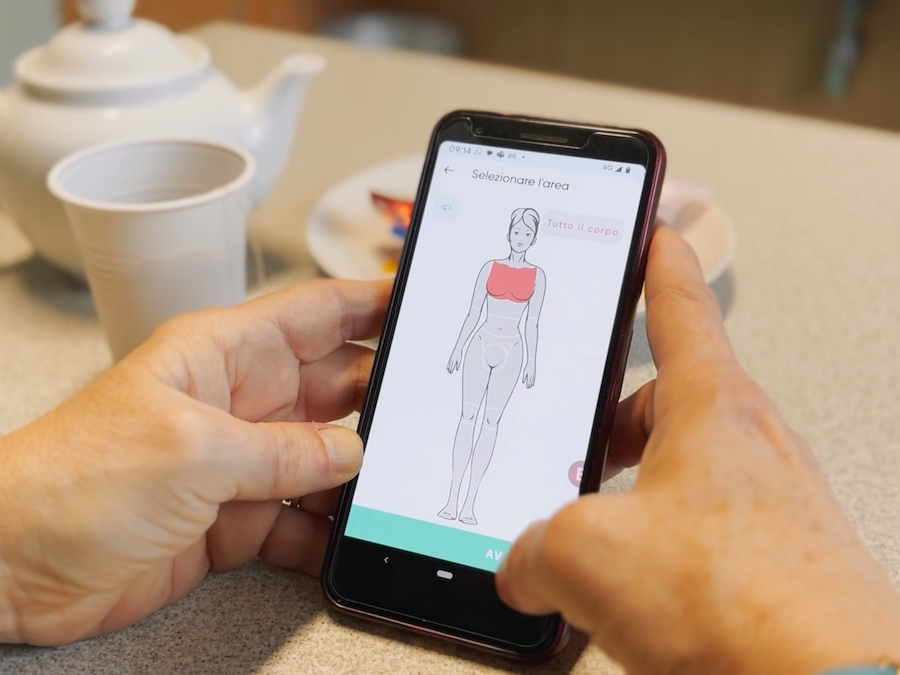


The digital era has brought an explosion of health-related data from clinical databases, social networks, wearables, and connected medical devices. Among these digital health innovations, mobile health (mHealth) apps and wearable devices stand out, with an expected 3.7 billion downloads globally by consumers and health care professionals []. The increasing adoption of digital health is driven by patient convenience, technological advancements, and persistent health care concerns. The transition from traditional to digital and information-based medicine has contributed to the rise of personalized health care, enabling a broader population to engage in health management. This includes those who may not have a formal diagnosis but experience early symptoms or notice early warning signs, often referred to as subhealth status []. Sharing health information through digital devices has given rise to a new form of algorithmic surveillance. These technologies now play an increasing role in the medicalization of health. Researchers have proposed different frameworks to explain the medicalization of everyday life through digital technologies, such as quantification, where individuals track health data using devices, and gamification, where playful elements such as points or badges are incorporated to promote user motivation and adherence [].
Digital health technologies come in various forms, including mobile platforms, apps, wearables, and Bluetooth- or Wi-Fi–connected devices. Prior research has examined their impact on health outcomes. A study by Vansimaeys et al [] found that frequent users of multiple digital health felt more empowered and reported stronger patient-doctor relationships. Another randomized controlled trial by Ross and Wing [] demonstrated that mHealth apps, combined with digital devices, resulted in greater weight loss compared to conventional methods. These findings support the positive role of digital health technologies in disease management []. However, despite their promise, many digital devices face challenges with user engagement and adherence []. Grounding these tools in behavioral science frameworks and enhancing social validity and user experience are essential []. Features such as goal setting, social support, and real-time monitoring may improve motivation and long-term use []. Behavioral frameworks such as the health belief model and the unified theory of acceptance and use of technology provide useful lenses to understand what drives users to adopt and sustain digital health practices [,].
BMI plays a critical role in disease prevention. Individuals classified as overweight (BMI 24-29.9 kg/m2) or obese (BMI≥30 kg/m2) are at increased risk of chronic conditions such as diabetes and cardiovascular diseases []. While many studies have examined how digital health technologies affect chronic illness management [-], few have explored their role in BMI regulation [-]. Furthermore, little is known about how individuals without diagnosed conditions, but with varying BMI, use digital tools for health management.
Therefore, understanding how people with different BMI categories engage with digital health technologies is essential for designing effective, tailored interventions. This study aimed to address this gap by (1) investigating the proportion of participants using digital health tools across BMI groups, (2) identifying the types of digital technologies used for health management, and (3) determining the key predictors associated with digital health use. The study analyzed the association between participant characteristics and BMI categories using chi-square tests and regression models while also discussing how usability and design features influence engagement within a medical self-monitoring framework.
This study was approved by the institutional review board committee of National Taiwan University Hospital (registration: 202307210RINC). The study was conducted from January 1, 2024, to April 30, 2024. To protect respondents’ privacy, all survey responses were anonymous, and IP addresses were hidden. This online anonymous survey was determined to fall under the exempt review criteria. As such, no written informed consent was required. Participation was voluntary, and respondents were informed about the purpose of the study at the beginning of the survey. The collected data were used solely for research purposes. Participants were not compensated for their participation in this study.
Design of the StudyAn online anonymous survey was conducted to investigate how people perceive and are aware of their health condition or status, as well as their use of digital devices or mHealth tools (digital health use) for health management. The questionnaire was presented in a fixed sequence determined by logical flow and skip logic, tailored to participants’ responses. Randomization of item order was not applicable due to the structure of conditional branching and mandatory completion of relevant questions. All questions were mandatory unless deemed nonapplicable through skip logic. Respondents were not allowed to skip questions or revise answers once submitted. Trap questions were embedded to identify inattentive or invalid responses. The first module of the questionnaire asked respondents to report their health status or health problems. The second module asked respondents about their health-promoting lifestyle. The third module asked respondents about their self-management behaviors and efficacy in health management. The fourth module focused on the digital health use for monitoring of their health conditions. Data for this study were collected from the survey about the respondents’ demographic characteristics, health perception or awareness, health promotion lifestyle, health motivation, self-efficacy, digital health use, and adherence to mHealth tools.
Procedure and ParticipantsThe questionnaire designed for the study was hosted on SurveyCake. This platform ensures data integrity, data security, and privacy by using encryption protocols such as Secure Socket Layer to protect data transmission. All collected data were stored on secure servers and are accessible only by authorized personnel. SurveyCake also complies with data protection regulations, ensuring that all personal information is handled in accordance with relevant privacy laws. Participants’ responses were anonymized, and IP addresses were not collected to ensure confidentiality. The link to access the questionnaire was initially disseminated through social networks and emails. Participants were recruited via convenience and snowball sampling methods. The actual scope of dissemination through social media and email forwarding may have reached a broader audience beyond the researcher’s immediate network. The online questionnaire was available on the internet from October 2023 to December 2023 for the pilot run. The target population included Mandarin-speaking adults aged 20 years and older, residing in urban areas. The sample was drawn from a local community where preventive health services are available, but their use may vary across different population groups. For this work, a total of 215 questionnaires were fully completed anonymously. Completion times ranged from 156 to 2292 seconds, with an average of approximately 6.5 (SD 4.2) minutes. Responses with fewer than 90 seconds or more than 1 hour were flagged for review and excluded if deemed invalid. Duplicate responses were not detected directly as IP addresses were not collected, and no cookies were used to prevent multiple entries. Response consistency was checked through logical review and trap questions. Invalid or inconsistent entries were excluded from the analysis. Only fully completed responses were used for the analysis. Therefore, the valid questionnaires were corresponding to 184 respondents (184/215×100%: 85.6%).
Measures and VariablesGiven the online-based approach of the study, a closed-ended questionnaire was used, which included personal factors such as sociodemographic characteristics and health-related information. The questionnaire was developed by referencing validated and reliable instruments to ensure content validity. Expert opinions were also sought during the initial design phase to further refine the questionnaire. The overall design and content were reviewed and approved by the institutional review board prior to conducting the pilot study, which further refined the questionnaire. A pilot study with 35 participants from the target population was conducted to test the feasibility and clarity of the questionnaire, with subsequent modifications made based on feedback. During this process, items with low relevance were removed, and the remaining questions were adjusted to create a new questionnaire tailored to the study’s objectives. This refinement enhanced the internal consistency of the questionnaire, resulting in a Cronbach α exceeding 0.80. The final version included items assessing 5 health-related variables (Table S1 in ): health awareness, health promotion lifestyle, self-efficacy, health motivation, and digital health use to evaluate respondents’ use of digital health. Participants completed the survey anonymously via an online platform. The questionnaire had been verified by factor analysis and had good reliability (overall Cronbach α=0.90, 66 items; Table S2 in ). The items in this questionnaire were adapted and simplified from multiple validated instruments, including components of the health belief model and unified theory of acceptance and use of technology–based surveys [,].
We surveyed participants about their experience with digital devices, their preferences regarding use frequency, and the parameters they monitor related to their health status. We then examined the percentage distribution of various factors across BMI categories, followed by chi-square analysis. Additionally, the study explored whether respondents had developed a self-management plan, the types of mHealth tools they use, the factors influencing their decision-making, and their satisfaction with and the usability of specific devices or mHealth apps.
Demographic CharacteristicsDemographic characteristics included age (20-29, 30-39, 40-49, 50-59, 60-69, and above 70 years), sex, BMI, educational level (high school or below, college degree, and postgraduate degree), and experience with digital technology.
Health-Related VariablesHealth AwarenessHealth awareness was measured by assessing respondents’ understanding of the risks associated with obesity, diabetes, and other health conditions. The health awareness score reflects how well individuals recognize the health risks of various diseases and their awareness of the impact of lifestyle choices on overall health [,].
Health Promotion LifestyleA health-promoting lifestyle refers to a set of behaviors that support physical, emotional, and social well-being. In this study, it was assessed using an 11-item simplified scale adapted from the Health Promoting Lifestyle Profile-II [], covering 6 dimensions: self-actualization, stress management, health responsibility, exercise, interpersonal support, and nutrition []. Respondents were asked to rate each statement on a 5-point Likert scale, representing the degree of agreement with each statement. A higher mean score indicates a lifestyle that aligns more closely with an ideal health-promoting lifestyle.
Self-EfficacySelf-efficacy was assessed by measuring respondents’ prior experiences with self-management and their perceived effectiveness in achieving health-related goals [,]. Participants rated their confidence in performing specific health management activities using a 5-point Likert scale, with higher scores indicating greater confidence in their ability to successfully manage their health.
Health MotivationThis section addresses the factors that influence an individual’s decision to initiate and maintain health-related behaviors, with health motivation defined as the individual’s willingness to invest effort and maintain it in order to achieve health-related goals [,]. Motivation includes intrinsic factors, such as the need for disease prevention, as well as extrinsic factors, such as expert advice and social support. This section assesses an individual’s perceived importance of various factors, such as physical health, mental health, disease prevention, and expert advice. Respondents rate the importance of these factors on a scale from 1 to 5, and the total score reflects their overall health motivation.
The Digital Health UseThis section evaluated the use of digital health tools, including connected devices, wearable devices, and mobile apps for health management [-]. It assessed the types of tools used, the frequency of use, the parameters measured (eg, blood pressure, heart rate, and blood oxygen), and the perceived health improvements associated with these tools [,]. For the analysis, this ordinal categorical variable was recoded into a discrete numerical scale, with level 1 representing “less than once per month” and level 5 representing “daily use.” Finally, 3 frequency categories were defined: less than once per week, 1-3 times per week, and more than 3 times per week.
Statistical AnalysisWe used SPSS (version 23.0; IBM Corp) and Python (Python Software Foundation) to conduct all statistical analyses. A P value <.05 was considered as statistically significant. The chi-square test or the independent samples 2-tailed t test was performed to examine the differences in demographic characteristics and compare each variable of the total population by BMI. The Pearson correlation was analyzed to determine the correlations between the use of digital technology and health-related variables. Moreover, we conducted multiple regression and logistic regression analyses to identify predictors for each health-related variable. Logistic regression was used to analyze the frequency of device use, while multiple regression was applied to analyze the overall variables related to digital health use.
presents the distribution of demographic characteristics, including sex, age, education level, and experience with digital technology, across 3 BMI categories: BMI<24 kg/m2, 24≤BMI<29.9 kg/m2, and BMI≥30 kg/m2. Of the 184 respondents to the valid questionnaires recovered in this study, 71 participants had a BMI<24 kg/m2, accounting for 38.6% of the sample; 78 (42.4%) participants had a BMI between 24 and 29.9 kg/m2; and 35 (19%) participants had a BMI≥30 kg/m2. Chi-square analysis revealed significant differences in sex (P<.001) and age (P=.02) across the different BMI categories. However, no significant differences were observed in education level or experience with digital technology.
Table 1. Demographic characteristics of the sample population by BMI.VariablesTotal (N=184, 100%), n (%)BMI<24 kg/m2 (n=71, 38.6%), n (%)24≤BMI<29.9 kg/m2 (n=78, 42.4%), n (%)BMI≥30 kg/m2 (n=35, 19%), n (%)P valueaSex<.001baDifferences based on chi-square test.
bP<.01.
cP<.05.
The distribution of personal health information and health perception across different BMI categories (N=184) is shown in . There were no significant differences in the reported number of personal health problems or family medical history (P=.16) or in the types of health-related information accessed in the past 12 months (P=.11). Regarding physical activity, most respondents (128/184, 69.4%) engaged in more than 150 minutes per week, with no significant differences between BMI groups. However, chi-square analysis found that the annual frequency of personal medical checkup (P=.03) and the self-rating of personal health status (P=.02) significantly differed among BMI categories, indicating that participants’ perceptions of their own health varied depending on their BMI. The significance suggested that BMI was associated with how individuals assess their own health. Specifically, as BMI increases, a higher proportion of participants rated their health as “fair to good” (17/35, 48.6% with scores 2-3) or “very poor” (3/35, 8.6% with score 1). Those with a BMI≥30 kg/m2 tended to rate their health more negatively compared to those with a lower BMI. However, this did not imply that people with higher BMI were more self-aware about their health, as their annual medical checkup frequency showed an opposite trend (18/35, 51.4% of those with a BMI≥30 kg/m2 had fewer than 1 checkup per year). Rather, it may suggest that individuals with higher BMI face more health challenges, which could lead them to perceive their health more negatively. Therefore, it is not necessary that individuals with higher BMI have a stronger sense of self-awareness, but rather that their higher BMI is likely associated with more health issues, which influence how they perceive their overall health.
Table 2. Personal health information and health perception of the sample population by BMI (N=184).VariablesTotal, n (%)BMI<24 kg/m2, n (%)24≤BMI<29.9 kg/m2, n (%)BMI≥30 kg/m2, n (%)P valueaPersonal health problems or family medical history.16aDifferences based on chi-square test.
bP<.05.
The typology of participants based on their use of multiple digital technologies for their health management was analyzed according to BMI classification (). Initially, 32.1% (59/184) of respondents reported using Bluetooth- or Wi-Fi–connected devices for their health management. Among them, the use rates for the BMI<24 kg/m2, 24≤BMI<29.9 kg/m2, and BMI≥30 kg/m2 were 33.8% (24/71), 33.3% (26/78), and 25.7% (9/35), respectively, with a P value of .67. Furthermore, 49.2% (29/59) of users reported using connected devices less than once per week, 25.4% (15/59) used them 1-3 times per week, and another 25.4% (15/59) used them more than 3 times per week. The BMI<24 kg/m2 and 24≤BMI<29.9 kg/m2 groups had higher use frequencies, with 50% (12/24 and 13/26) in each group, while the BMI≥30 kg/m2 group showed a lower frequency of 44.4% (4/9). However, this difference did not reach statistical significance (P=.13). Regarding the number of parameters measured by connected devices, 57.6% (34/59) of users measured 1 or none parameters, 33.9% (20/59) measured 2-4 parameters, and 8.5% (5/59) measured more than 4 parameters. No significant difference was observed among BMI categories (P=.36). Additionally, 38.6% (71/184) of respondents reported using wearable devices. The use rates in the BMI categories were 38% (27/71) for BMI<24 kg/m2, 39.7% (31/78) for 24≤BMI<29.9 kg/m2, and 37.1% (13/35) for BMI≥30 kg/m2, with a P value of .96. Among the 71 respondents using wearable devices, 56.3% (40/71) used them more than 3 times per week, 21.3% (15/71) used them 1-3 times per week, and 22.5% (16/71) used them less than once per week. Further analysis revealed that the proportion of respondents using wearable devices more than 3 times per week was higher in the BMI<24 kg/m2 group (20/27, 74.1%) compared to the other 2 groups (15/31, 48.4% for 24≤BMI<29.9 kg/m2 and 5/13, 38.4% for BMI≥30 kg/m2), with this difference reaching statistical significance (P=.04). Overall, while BMI did not significantly influence the use behavior of digital health devices, respondents with lower BMI demonstrated higher frequency of use of wearable devices.
Table 3. The use behavior of digital health devices of the sample population by BMI (N=184).VariablesTotal, n (%)BMI<24 kg/m2, n (%)24≤BMI<29.9 kg/m2, n (%)BMI≥30 kg/m2, n (%)P valueaThe use of connected devicesfor health management.67aDifferences based on chi-square test.
bP<.05.
Similarly, 39.1% (72/184) of respondents reported using mobile apps for health management. The use rates were 47.9% (34/71) for BMI<24 kg/m2, 35.5% (27/78) for 24≤BMI<29.9 kg/m2, and 25.7% (9/35) for BMI≥30 kg/m2, with no significant difference observed (P=.61). Among mobile app users, 59.7% (43/72) used apps less than once per week, 29.2% (21/72) used them 1-3 times per week, and only 11.1% (8/72) used them more than 3 times per week. Although the BMI<24 kg/m2 group had a higher proportion of frequent users (5/34, 14.7% with >3 times per week) compared to other groups, this trend did not reach statistical significance (P=.24).
While the initial chi-square analysis provided valuable insights into the categorical relationship between BMI categories and the use of digital health devices, it did not account for other potential confounding factors. To gain a more comprehensive understanding of the impact of BMI on digital health device use frequency, we conducted a logistic regression analysis based on all respondents. reveals that BMI had no statistically significant impact on the frequency of use for connected devices (BMI coefficient=–0.084; P=.76) or wearable devices (BMI coefficient=–0.26; P=.25). The finding suggested that BMI did not substantially influence the frequency of use of these devices, as indicated by the low pseudo R2 and the likelihood ratio (LLR) test P values of .76 and .25, respectively. However, a significant negative association was found between BMI and the frequency of mobile app use (BMI coefficient=–0.67; P=.02). Specifically, individuals with higher BMI were less likely to use mHealth apps frequently. The model for mobile app use demonstrated a higher pseudo R2 value of 0.035, and the LLR P value was .02, suggesting a moderate explanatory power of the model in predicting mobile app use frequency. By using logistic regression, we were able to evaluate the influence of BMI and identify trends that were not apparent in the initial chi-square analysis, particularly the relationship between higher BMI and reduced frequency of mobile app use.
Table 4. Logistic regression analysis of BMI and digital health device use frequency classification results.Logistic regression modelBMI coefficient (β)P valueaPseudo R2bLLRcP valueConnected devices–0.08.760.001.76Wearable devices–0.26.250.006.25Mobile apps–0.67.02d0.035.02daDifferences based on the regression model.
bPseudo R2: pseudo coefficient of determination.
cLLR: likelihood ratio.
dP<.05.
Correlations Between Clusters Based on Health-Related Variablespresents the Pearson correlation analysis, which was conducted to examine the relationships between various psychological and behavioral factors, including health awareness, health promotion lifestyle, self-efficacy, health motivation, and digital health use. The results of the analysis provide valuable insights into how these factors are interrelated. Health awareness was positively correlated with self-efficacy (r=0.206; P=.06), digital health use (r=0.333; P=.002), and health motivation (r=0.525; P<.001). These results suggested that individuals with higher health awareness were more likely to demonstrate greater self-efficacy, use digital health technologies more frequently, and exhibit stronger health motivation. Conversely, health promotion lifestyle had a significant negative correlation with self-efficacy (r=–0.339; P=.002), which may imply that individuals engaged in more health-promoting behaviors may have a diminished sense of personal control over their health outcomes. A similar negative correlation was observed between health promotion lifestyle and health motivation (r=–0.214; P=.007). This finding suggests that adopting a health-conscious lifestyle does not necessarily lead to higher motivation to improve health. Furthermore, no significant relationship was found between health promotion lifestyle and digital health use (r=–0.136; P=.03). Self-efficacy correlated positively with both digital health use (r=0.359; P=.001) and health motivation (r=0.469; P<.001), indicating that individuals who believe in their ability to manage their health are more likely to engage with digital health tools and pursue health-related goals. Additionally, health motivation displayed a strong positive correlation with digital health use (r=0.535; P<.001), further emphasizing the role of motivation in driving the adoption of digital health technologies. The Pearson correlation analysis revealed strong associations between self-efficacy, health motivation, and digital health use. The correlation coefficients represent the strength and direction of the relationships between the variables, while the corresponding P values indicate the statistical significance of these associations. These results underscore the tendency for individuals who feel confident in managing their health and are highly motivated to improve it to engage more with digital health solutions. In contrast, the health promotion lifestyle showed weaker or negative correlations with other variables, suggesting a more complex interaction that warrants further investigation.
Table 5. Pearson correlation between variables (N=184).The multiple regression analysis was conducted to examine the predictors of digital health use. This analysis aimed to explore how these factors, including health awareness, health promotion lifestyle, self-efficacy, and health motivation, contributed to the likelihood of engaging with digital health technologies. The results of the regression model are present in , highlighting the regression coefficients (B), standardized coefficients (β), and the associated P values for each predictor. Among the predictors, health awareness (B=0.107; β=0.101; P=.32), health promotion lifestyle (B=–0.096; β=–0.054; P=.58), and self-efficacy (B=0.122; β=0.098; P=.36) were found to have no statistically significant influence on digital health use. This suggested that, by accounting for other variables in the model, these factors did not contribute meaningfully to explaining the variance in digital health use in this particular dataset. In contrast, health motivation (B=0.597; β=0.474; P<.001) was found to have a significant positive effect on digital health use, supporting the conclusion that health motivation is a key predictor of digital health use. Data indicated that individuals with higher levels of health motivation were more likely to engage with digital health technologies.
Table 6. Multiple regression analysis of overall variables for digital health usea.PredicatorsDigital health useaAdjusted R2=0.324; P value (model) based on F test <.001.
bB: regression coefficients.
cβ: standardized coefficients.
d2-tailed t test for regression coefficients.
eP<.01.
The overall model’s goodness-of-fit was indicated by the adjusted R2 value of 0.324, which suggested that approximately 32.4% of the variance in digital health use can be explained by the combination of the predictors included in the model. Furthermore, the overall model was statistically significant, demonstrating that the predictors as a group significantly contribute to explaining digital health use. While health awareness, health promotion lifestyle, and self-efficacy were not significant predictors of digital health use in this analysis, health motivation emerged as a crucial factor influencing engagement with digital health technologies. These findings suggested that interventions aimed at increasing health motivation may be particularly effective in encouraging the use of digital health tools.
User Engagement With Mobile App Features Across Different BMI CategoriesTo understand which digital health features (particularly those of mobile apps) might impact user engagement, we further identified which app features were likely to impact individuals with higher BMI (ie, 24≤BMI<29.9 kg/m2 and BMI≥30 kg/m2). We applied multinomial logistic regression to model the relationship between multiple app features (as independent variables) and BMI categories (as the dependent variable). Using BMI<24 kg/m2 as the reference category, the model estimated the differences between the other BMI categories (24≤BMI<29.9 kg/m2 and BMI≥30 kg/m2) and the BMI<24 kg/m2 category. This approach was similar to creating dummy variables for categorical data in regression models, where a categorical variable is represented by binary variables (0 or 1). The coefficient for the reference category (BMI<24 kg/m2) was treated as 0, and the coefficients for the other categories (24≤BMI<29.9 kg/m2 and BMI≥30 kg/m2) reflect their relative differences from this baseline. The results from the multinomial logistic regression model revealed several important aspects about the relationship between app features and BMI categories ( and Table S6 in ). The pseudo R2 value of 0.128 indicated that approximately 12.8% of the variance in the BMI categories was explained by the model, suggesting a moderate fit. The statistically significant LLR P value of .01 further emphasized the relevance of the app features in differentiating the BMI categories. Notably, the feature of integrating personal medical records showed a positive association with individuals in the 24≤BMI<29.9 kg/m2 category. For individuals with a BMI≥30 kg/m2, while the app features did not show statistically significant differences (P=.06), further research will be needed to explore whether individuals in the higher BMI range are more likely to engage with digital health technologies offering similar features.
Comments (0)