IMPACT: Investigating Metaplastic Breast Cancer Prognosis against Conventional Triple-Negative Invasive Ductal Carcinoma
Background
Metaplastic breast carcinoma (MpBC) is a rare subtype of breast carcinoma characterized by mixed epithelial and mesenchymal differentiation and predominantly triple-negative phenotype. MpBC is associated with aggressive clinical behavior and poor response to standard chemotherapy. The extent to which MpBC demonstrates inferior survival compared with triple-negative invasive ductal carcinoma (TNBC-IDC), independent of clinical stage and treatment, remains unclear.
Methods
We performed a retrospective cohort study of women with MpBC treated at a tertiary cancer center from 2016 to 2022. A comparison cohort of TNBC-IDC patients treated in the same period was identified. Propensity-score matching (PSM) at a 1:3 ratio was performed based on age, tumor size, nodal status, Ki-67, and receipt of neoadjuvant chemotherapy (NAC). Survival outcomes were estimated using Kaplan–Meier methods and adjusted Cox regression. Censoring occurred on 31 August 2025.
Results
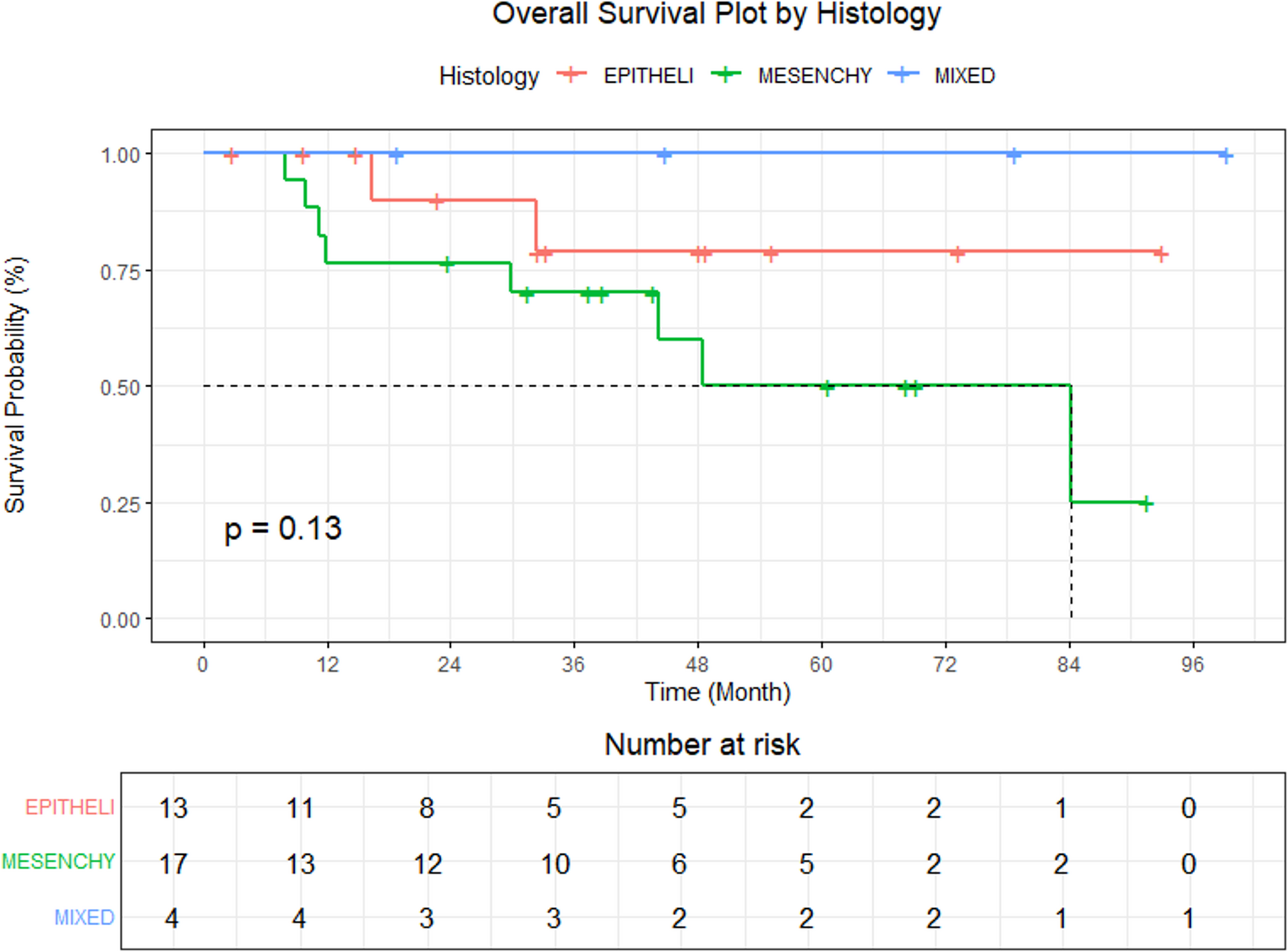
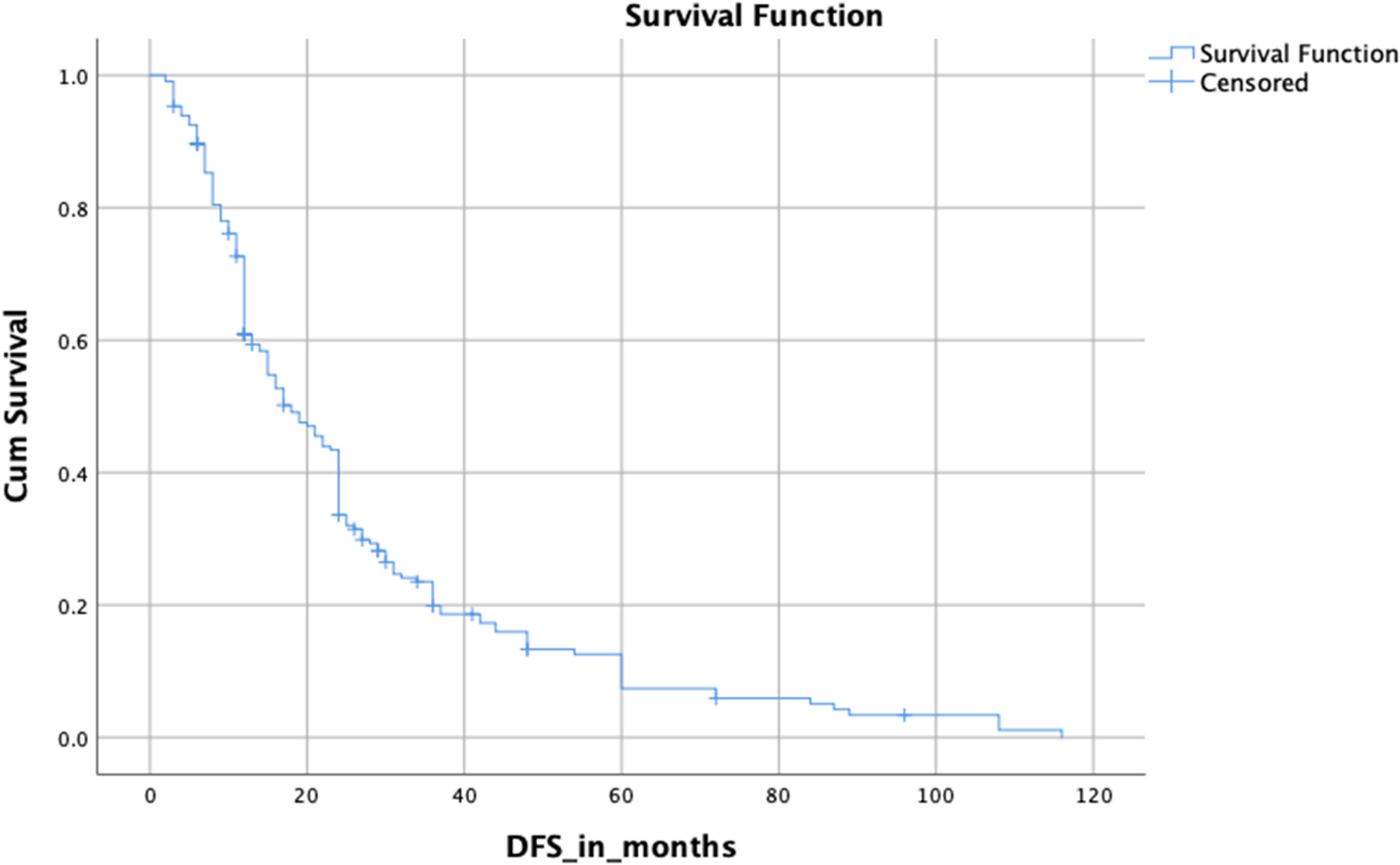
Thirty-four MpBC patients were matched to 102 TNBC-IDC controls. MpBC showed larger primary tumors and no pathologic complete response to NAC (0% vs. 18%). Median disease-free survival (DFS) for MpBC was 42 months; median overall survival (OS) was 84 months. After PSM adjustment, MpBC demonstrated significantly worse DFS (HR 1.95, 95% CI 1.08–3.55; p = 0.0277) and a trend toward inferior OS (HR 2.00, 95% CI 0.92–4.36; p = 0.081). Recurrences in MpBC were predominantly distant.
Conclusion
MpBC demonstrates inferior DFS and a trend toward poorer OS compared with matched TNBC-IDC, independent of stage and systemic therapy. MpBC should be considered a biologically distinct high-risk subtype requiring individualized therapeutic strategies and prioritization for clinical trial enrollment.


Comments (0)