
Remember me

Claims data from the IQVIA PharMetrics® Plus database linked with Longitudinal Access and Adjudication Data (LAAD) covering the period of October 2015 (when the new coding structure using International Classification of Diseases, 10th Revision, Clinical Modification [ICD-10-CM] was introduced [18]) to March 2022 (the most recent data available at the time of study onset) were used. The PharMetrics® Plus database consists of employer- and health plan-sourced data containing fully adjudicated medical and pharmacy claims for over 215 million unique enrollees and is representative of the commercially insured US national population for patients under 65 years of age. The database includes records of inpatient services, inpatient admissions, outpatient services, prescription drugs, and other medical care.
LAAD is a patient-centric dataset that integrates IQVIA’s prescription, medical claims, and remittance data. The database includes patient longitudinal data, including Formulary Impact Analyzer (FIA) full lifecycle claims data. The final status of fully adjudicated claims in the FIA corresponds to paid (i.e., prescriptions approved and paid for by a health plan and picked up by the patient from the pharmacy), rejected (i.e., prescriptions rejected by the health plan), or reversed (i.e., prescriptions approved by the health plan but not picked up by the patient from the pharmacy). Reasons for rejections are also included.
Data are de-identified and comply with the patient requirements of the Health Insurance Portability and Accountability Act (HIPAA); therefore, no review by an institutional review board was required per Title 45 of CFR, Part 46.101(b)(4).
Study Objectives and DesignsA retrospective analysis was conducted among adult patients with HE receiving rifaximin with two study objectives: Objective 1 was to assess patient access to rifaximin and characterize treatment gaps and reasons for claim rejections; and Objective 2 was to compare the risk of OHE hospitalizations and healthcare costs among patients with gaps in rifaximin access versus patients without gaps in rifaximin access.
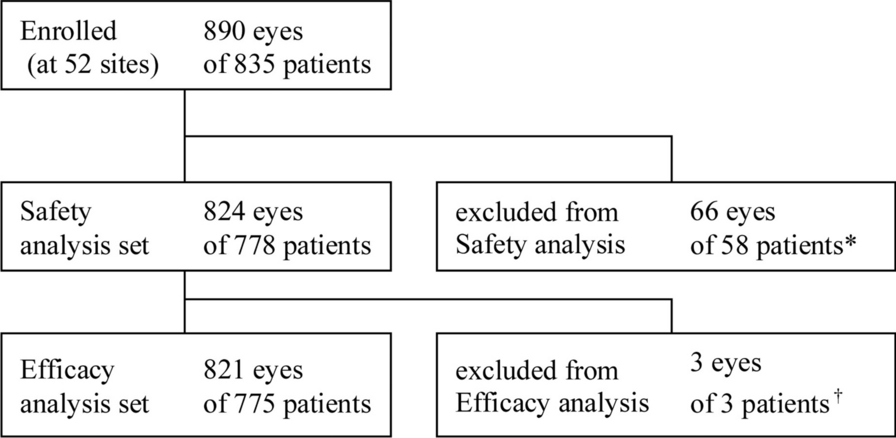
The study designs are presented in Fig. 1. For both objectives, the index date was defined as the first observed attempt at receiving rifaximin for HE, regardless of the final claim status (i.e., paid, rejected, or reversed). A 3-month pre-index washout period was imposed to ensure that patients were not actively taking rifaximin prior to the index date, as rifaximin is typically supplied for 30 days. This 3-month period was also used to assess patient baseline characteristics. The study period was defined as the 12-month (Objective 1) and 6-month (Objective 2) period following the index date.
Fig. 1 Sample Selection
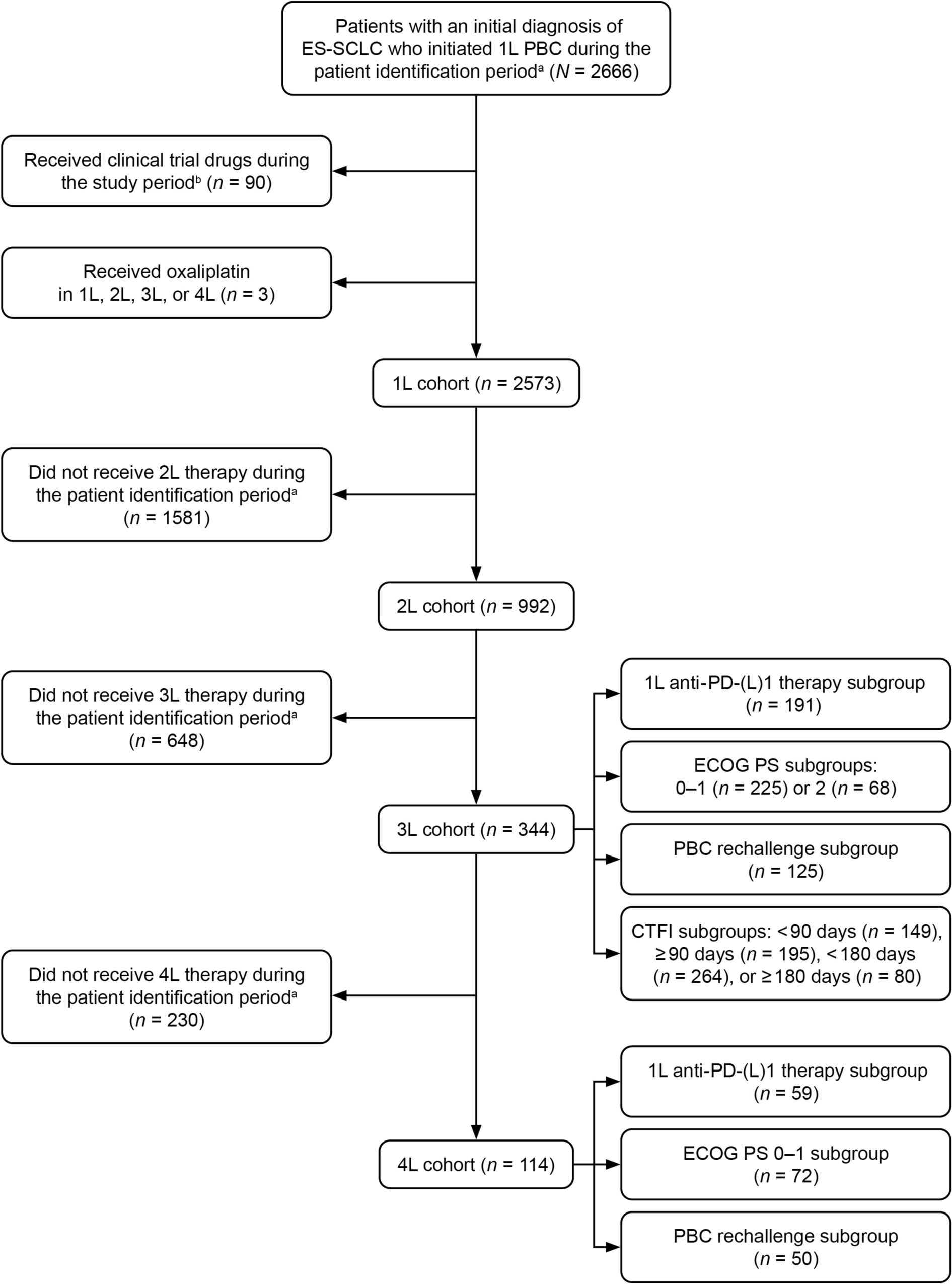
The sample selection flowchart is presented in Fig. 2. Patients were included if they met the following criteria: (1) had ≥ 1 paid claim for rifaximin for HE (twice daily, 30-day supply; based on national drug codes: 65649–0303-02 and 65649-303-03) during the complete health plan eligibility period; (2) had ≥ 2 diagnoses for cirrhosis or complications of cirrhosis on distinct dates during the data span (see Supplementary Table S1 for diagnosis codes); (3) had ≥ 1 diagnosis for HE (based on the ICD-10-CM General Equivalence Mapping [GEM; K72.01, K72.11, K72.90, K72.91, K70.41, and K71.11]) during the data span; and (4) were aged 18–64 years as of the index date. For Objective 1, patients were required to have continuous health plan enrollment during the 3-month washout and the 12-month study periods. For Objective 2, patients were required to have continuous health plan enrollment during the 3-month washout and the 6-month study periods, while the observation period was censored at discontinuation, defined as > 30 consecutive days without rifaximin access or fill attempts (Fig. 1).
Fig. 2
Sample selection flowchart
Measures and OutcomesObjective 1Treatment gaps (i.e., periods without rifaximin access) were assessed during the 12-month study period and identified based on the service dates of adjudicated claims (paid, rejected, or reversed) and the number of days of supply of each prescription fill. Adjustments were made to move forward overlapping days of supply to the first day that the patient would not have medications from the previous prescription fill, under the assumption that patients would finish the current prescription fill before starting the next refill.
Treatment gaps were classified into: (1) initiation gaps, defined as the period without rifaximin access that spanned from the date of the first fill attempt at receiving rifaximin (i.e., the index date) until the date of the first paid claim for rifaximin; (2) active treatment gaps, defined as the period without rifaximin access that spanned from the last day of supply until the date of the next paid claim for rifaximin; and (3) last gaps or gaps at the end of the study period, defined as the period without rifaximin access that spanned from the last day of supply of the prior period with rifaximin until the end of the 12-month study period. Definitions of the types of treatment gaps are visualized in Fig. 1A. Treatment gaps were further classified as rejection gaps if they followed a prescription claim rejection for rifaximin. The reasons for prescription claim rejections were reported and may include drug not on formulary, prior authorization required (e.g., incomplete submission, medical necessity not demonstrated), plan limitations exceeded, product/service not covered, or refill too soon.
Adherence to rifaximin over the first 6 months and the first year from the index date was measured using medication possession ratio (MPR), defined as the total days of supply of rifaximin truncated at the end of the period divided by the number of days during the period (i.e., 180 or 365 days), after adjustment for overlapping days of supply.
Objective 2The impact of treatment gaps on the risk and the number of OHE hospitalizations and total healthcare costs (i.e., medical and pharmacy costs) was assessed over the 6-month study period following the index date, among patients with continuous health plan enrollment and without discontinuation of rifaximin access or fill attempts (regardless of claim status) during that period. The 6-month study period was selected to ensure a similar level of disease severity across the sample under the assumption that patient disease severity is most similar within this period from the initial attempt at receiving rifaximin [19]. The number of days of treatment gap overlapping with lactulose use, estimated based on the total number of days of supply of lactulose overlapping with the rifaximin treatment gaps, were also assessed. OHE hospitalizations were defined as an inpatient stay with a diagnosis code for HE or ICD-10-CM code G93.40 (encephalopathy, unspecified), G93.41 (metabolic encephalopathy), or G93.49 (other encephalopathy). Number of OHE hospitalizations and cost outcomes were reported per-patient-per-month (PPPM). Cost outcomes were measured from a payer’s perspective (i.e., expenses covered by the insurance plan) and inflated to 2022 USD based on the data span using the Consumer Price Index.
Cohorts and SubgroupsFor Objective 2, patients were classified into two cohorts: Cohort 1 included patients who did not have a rejection gap and had a total of < 7 days of non-rejection gaps in the 6-month study period; and Cohort 2 included patients who had ≥ 1 rejection gap or had a total of ≥ 7 days of non-rejection gaps in the same period. Patients in Cohort 2 were further classified into four non-mutually exclusive subgroups based on characteristics of rejection gaps: subgroup 1 included patients with ≥ 1 rejection gap; and subgroups 2, 3, and 4 included patients who had a total of ≥ 7, ≥ 14, and ≥ 21 days of rejection gaps, respectively (Fig. 2).
Statistical AnalysesBaseline patient characteristics and treatment gap characteristics were summarized descriptively using means, standard deviations (SD), medians, and interquartile ranges (IQR) for continuous variables, and counts and percentages for categorical variables. Standardized differences were calculated to assess the balance of baseline characteristics between the cohorts; a value of < 0.1 is considered as negligible imbalance [20].
OHE hospitalization and cost outcomes were compared between Cohort 1 and Cohort 2 as well as between Cohort 1 and each of the Cohort 2 subgroups. Generalized linear regression models (GLM) with binomial distribution and a logit link function with robust standard errors were used to estimate odds ratios (OR) of experiencing an OHE hospitalization. GLM with a negative binomial distribution and log link function with robust standard errors was used to estimate incidence rate ratios (IRR) of OHE hospitalizations. GLM with a gamma distribution and log link function with robust standard errors was used to compare total healthcare costs. All models were adjusted for demographics (i.e., age, sex, region, and insurance type), baseline cirrhosis-related procedures (i.e., dialysis, endoscopy/banding, transjugular intrahepatic portosystemic shunt, and paracentesis) [10], and baseline HE-related comorbidities (i.e., portal hypertension, ascites, spontaneous bacterial peritonitis, varices, hepatorenal syndrome, nonalcoholic steatohepatitis).
All analyses were conducted using Statistical Analysis System (SAS) Enterprise Guide, Version 7.1 (SAS, Cary, NC, USA).
Comments (0)