In this study, we evaluated the effect and safety of HIT in the HCM population. HCM is the most prevalent inherited heart disease, afflicting 1 in 500 individuals. It has been identified as a primary cause of sudden cardiac death in younger adults and athletes [12, 13]. HCM exhibits heterogeneity in both genotype and phenotype, with the defining feature being left ventricular hypertrophy without elevated afterload (such as arterial hypertension or aortic stenosis), diagnosed primarily through increased left ventricular wall thickness. Left ventricular hypertrophy arises from genetic abnormalities impacting cardiac sarcomeres, leading to pathological and frequently asymmetric thickening of the ventricular septum and/or left ventricular wall [14]. Currently, available guidelines recommend avoiding patients with HCM participating in competitive sports of moderate to strong intensity [5]. Sympathetic–vagal imbalance, microvascular ischemia, and energetic compromise, including metabolic acidosis, are all believed to increase the risk of sudden cardiac mortality during high-intensity training in patients with HCM [3, 15].
In our study, we found that HIT did not lead to significant changes in vital signs compared to MIT. While some previous studies have shown improvements in VO2 max following HIT, our calculation of the effect size did not indicate a meaningful improvement. This discrepancy may be due to differences in the specific protocols used in our study versus previous research. It is possible that the lack of a significant finding here may stem from limitations such as sample size. Nevertheless, the importance of VO2 max as a key determinant of cardiovascular health and exercise capacity remains evident, and future research may provide further clarification on the role of HIT in improving aerobic capacity in HCM patients. The clinical relevance of the observed improvement in VO2 max with HIT is underscored by the fact that VO2 max is a critical determinant of overall cardiovascular health and exercise capacity [16]. Achieving higher VO2 max levels may result in improved functional outcomes for HCM patients, potentially improving quality of life. This improvement could be attributed to the peripheral adaptations triggered by HIT, which optimize oxygen delivery and utilization despite HCM-related limitations. However, further studies are needed to elucidate the peripheral adaptations to exercise training in patients with HCM [7].
In HCM patients, the observed increase in LVEDV with HIT suggests a positive adaptation that may enhance diastolic function, which is frequently impaired in HCM [11, 17]. HIT can potentially alleviate symptoms such as dyspnea and fatigue by enabling the left ventricle to fill more effectively during diastole by enhancing LVEDV [18]. In turn, this could reduce filling pressures. This adaptation has the potential to increase stroke volume and overall cardiac output, as suggested by the Frank-Starling mechanism [19]. Consequently, exercise tolerance and VO2 max may be improved.
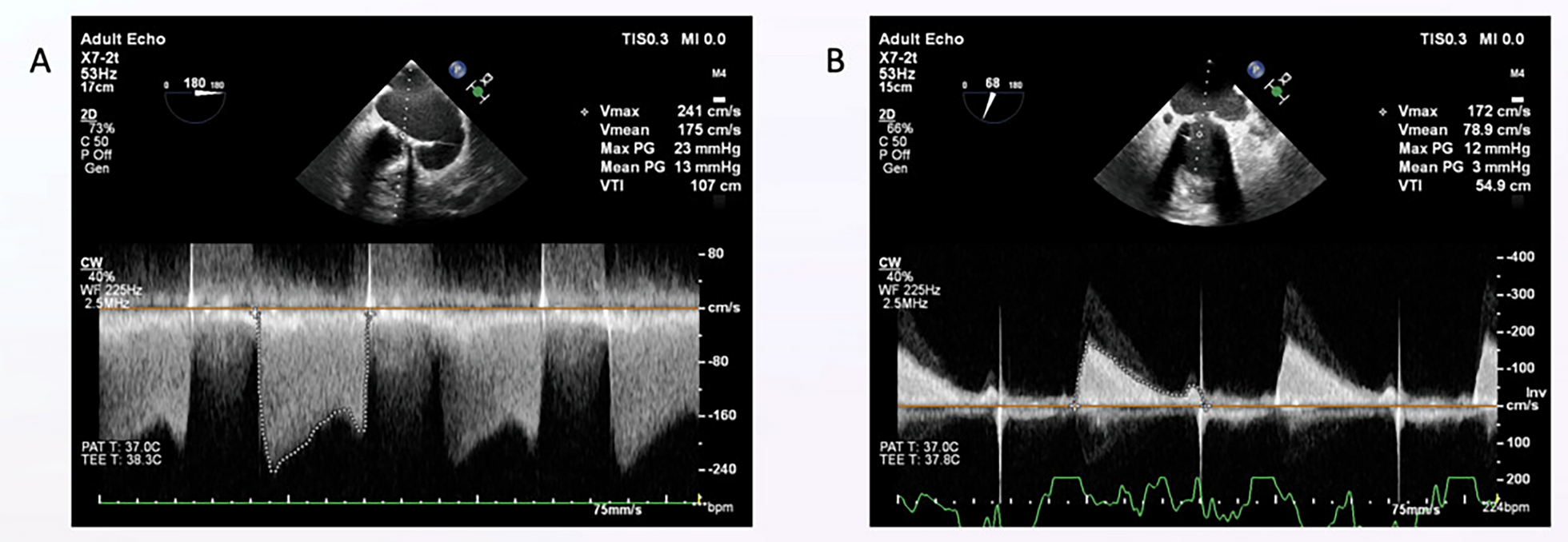
The LVOT gradient is an essential indicator of obstructive physiology in HCM. It represents the pressure difference across the outflow tract caused by left ventricular hypertrophy and frequently exacerbates symptoms such as dyspnea and chest discomfort [20, 21]. Our study demonstrated that HIT and MIT had negligible impacts on the LVOT gradient, with neither training modality appreciably lowering peak resting or post-exercise LVOT gradients. Patients who exercised vigorously had somewhat lower LVOT gradients than those who did not, indicating that some level of structured, higher-intensity exercise can impact LVOT physiology without exacerbating blockage [7, 8]. This stability in the LVOT gradient with HIT, particularly in a population prone to dynamic obstruction, supports the idea that properly monitored high-intensity exercise can be safe for HCM patients.
The primary concern of exercise prescription for individuals with HCM is safety because of the risk of life-threatening arrhythmias [22, 23]. This study demonstrated that HIT, in comparison with MIT, does not result in a higher incidence of arrhythmic events, cardiac arrest, or mortality in individuals with HCM. No notable difference in the incidence of NSVT, syncope, or adequate ICD shocks was detected between HIT and MIT, highlighting HIT's advantageous safety profile. The absence of notable variations in NSVT, ventricular ectopic beats, and other arrhythmias between HIT-trained and MIT-trained HCM patients supports the notion that carefully supervised HIT protocols can be properly executed without heightened risk [7,8,9, 11].
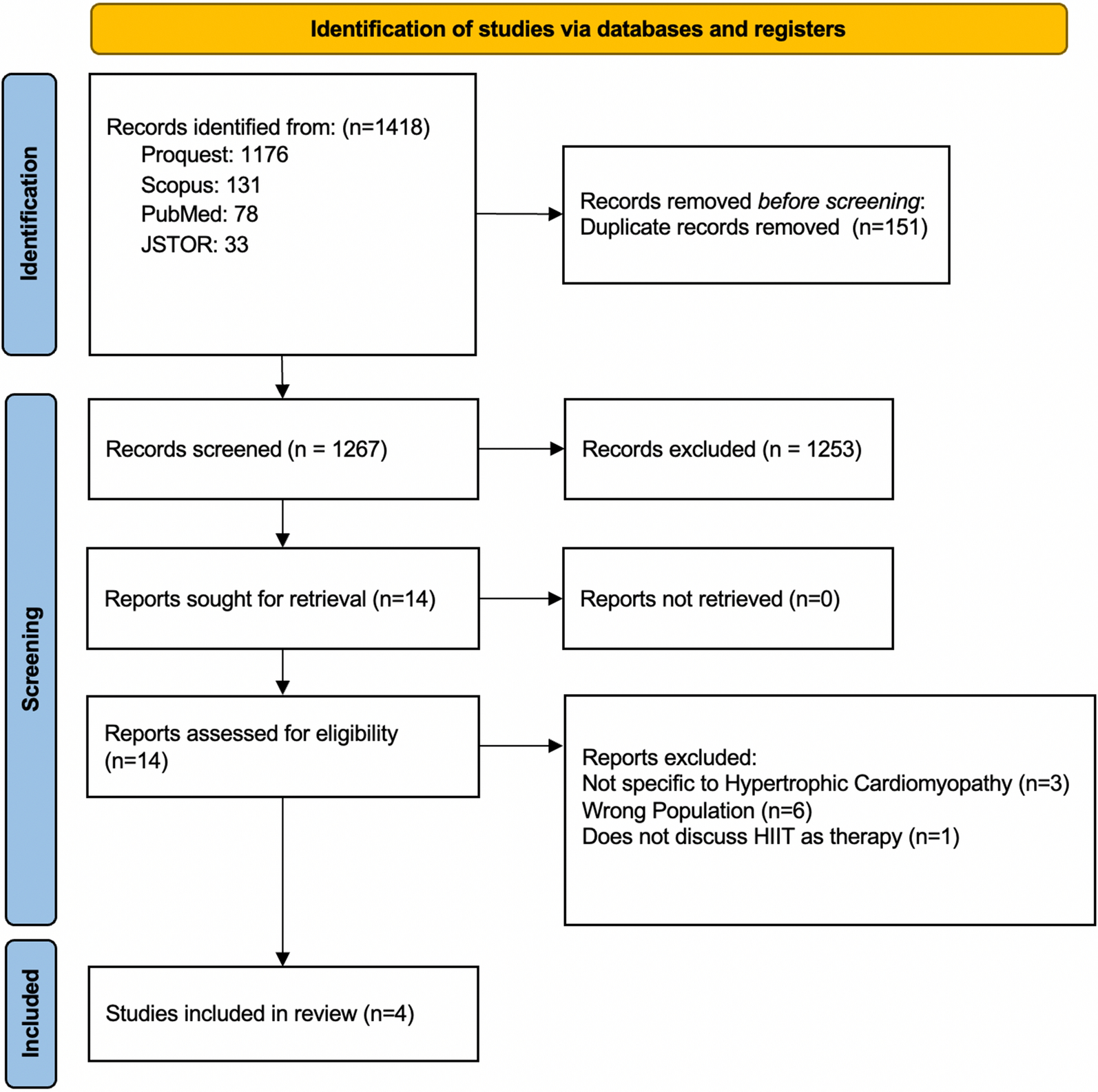
Although the result of this study is promising, some limitations should be noted in this study. First, the small sample size and heterogeneity of the included studies may restrict the applicability of these findings to the larger HCM population. Variations in study designs, sample demographics, and training techniques between included studies may introduce bias, impacting the consistency of the results. Subsequently, the definition of HIT varied across the studies included in this analysis due to the limited data available from the definitions provided in these studies. This variation highlights the need for a more standardized approach to defining HIT in future research. More original research with consistent criteria based on intensity (e.g., METs or heart rate), structure (e.g., interval vs. continuous training), and the inclusion or exclusion of competitive sports would improve clarity and allow for better comparison of findings across studies.
Additionally, the quality assessment analysis indicated that three out of four included studies were classified as having weak quality. Consequently, the interpretation of the results must be performed with caution. The possibility of methodological flaws in these studies highlights the necessity for additional high-quality research to enhance the evidence foundation. Furthermore, due to the absence of long-term follow-up in many studies, it is unclear whether HIT's beneficial benefits on aerobic capacity endure over time or whether continuous HIT affects heart structure and function differently in HCM patients. Future research might focus on larger, longer-term trials to establish HIT's efficacy and safety in a more diversified HCM population. Investigating the effects of HIT over time may reveal whether long-term HIT has any structural or functional impact on the myocardium in HCM.



Comments (0)