
Remember me

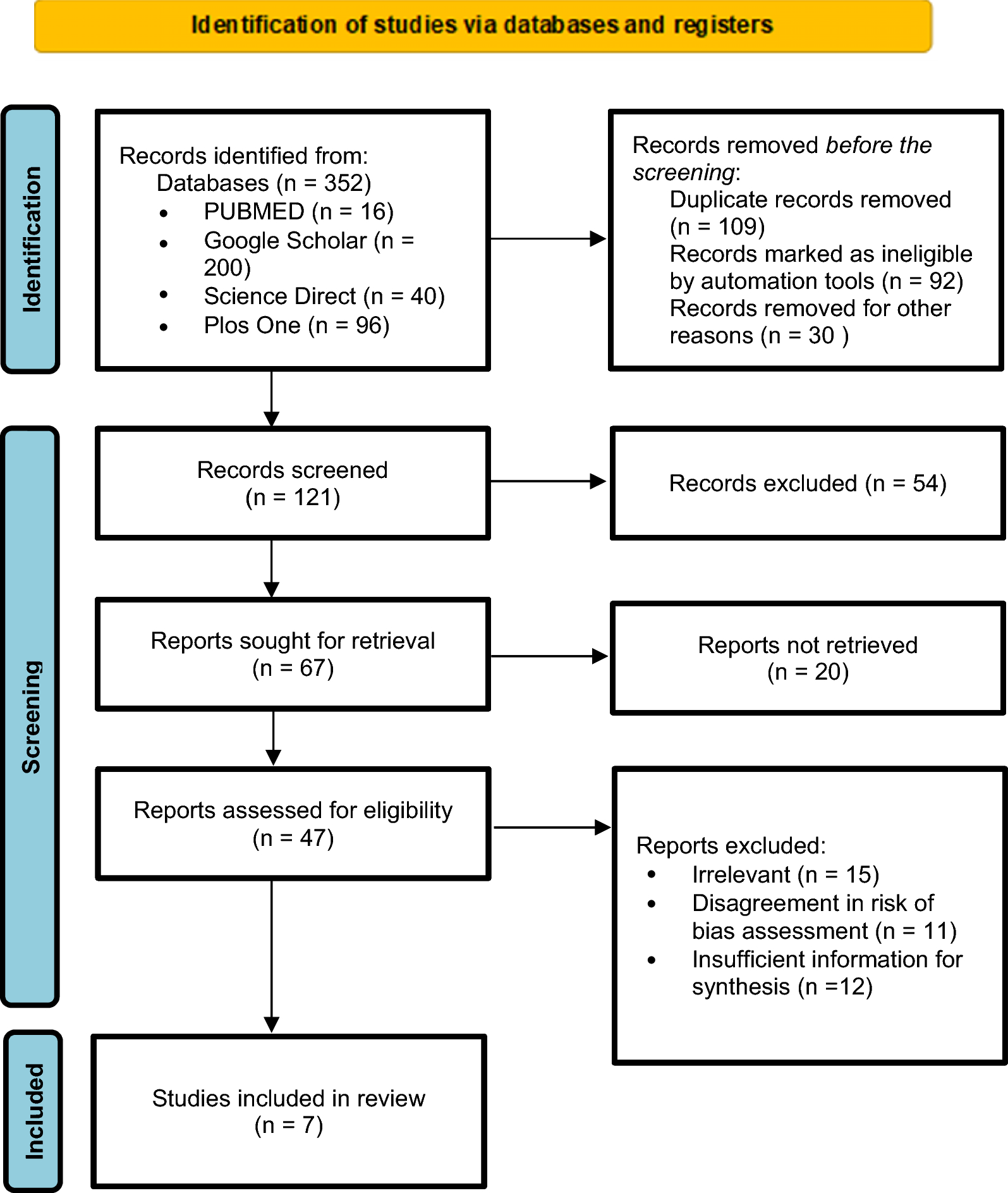
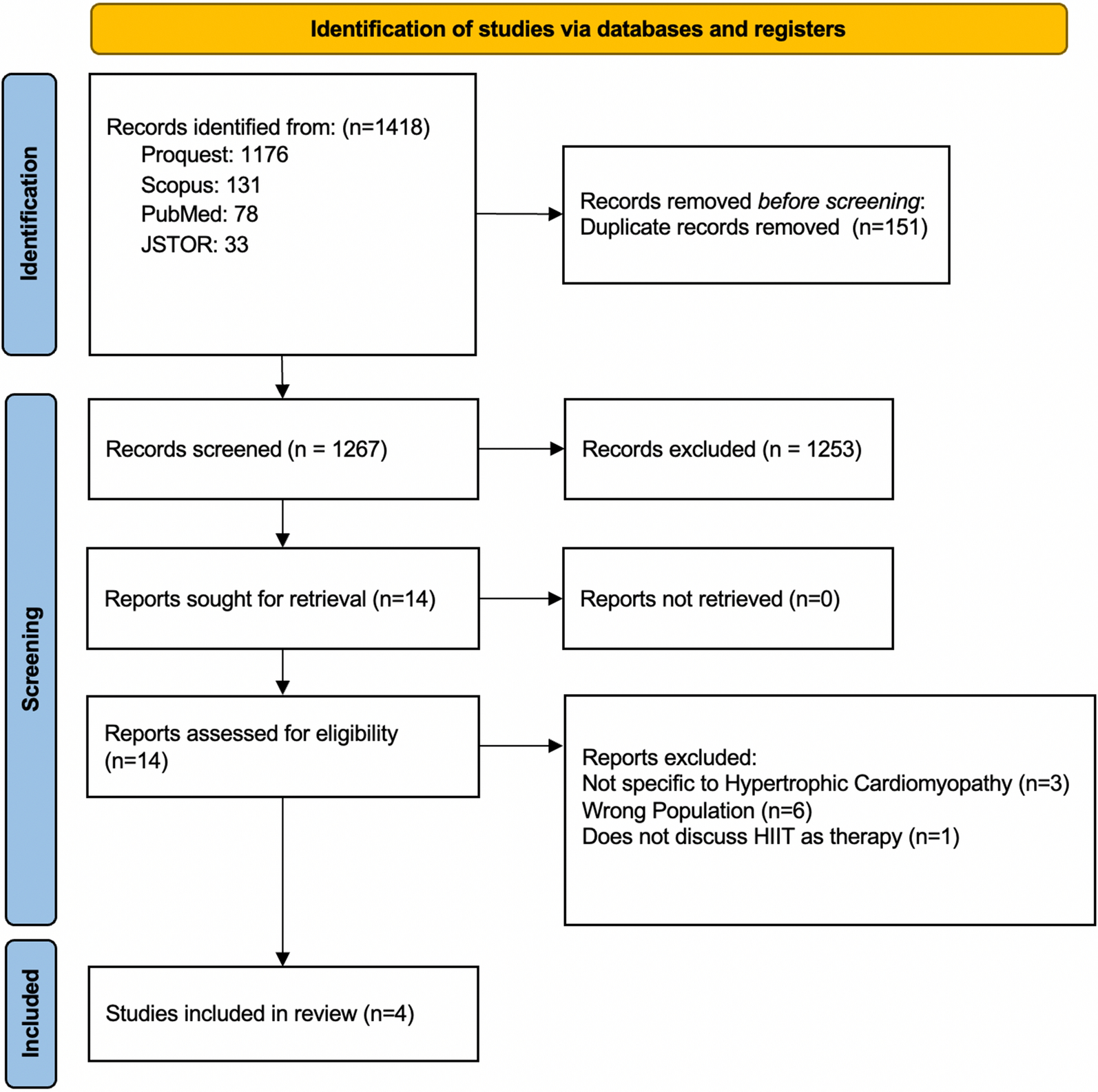





The initial search identified 3711 studies (Supplementary Table 7). Of these studies, 3605 were excluded, and the remaining 106 were screened by reading full texts (Fig. 2). Eventually, we identified 20 RCTs, nine completed and eleven still ongoing (Supplementary Table 5) [22,23,24,25,26,27,28,29,30,31,32,33,34,35,36,37,38,39,40], that assessed the effect of siRNA therapies in LP(a) reduction. The nine completed RCTs had various interventions, including inclisiran, olpasiran, SLN 360, and lepodisiran [18, 22,23,24,25,26,27,28,29]. Publication dates ranged from 2017 to 2023. The follow-up periods ranged from 150 to 540 days. Among these studies, adults with Lp(a) level more than 150 mmol/l [22, 23, 31, 38] or patients with LDL-C more than 100 mg/dl in the absence of cardiovascular diseases [24,25,26, 29] were deemed eligible to be included, while the usage of any monoclonal antibody drug targeting PCSK9 was considered as an exclusion criterion [24,25,26,27, 36, 37, 39, 40] (Supplementary Tables 4 and 5).
Quality assessmentWe evaluated the methodological quality of the nine studies in our review using various tools specific to each study’s design, as mentioned above in the methods. Studies were stratified as low risk of bias, high risk of bias, or some concerns, based on prespecified criteria in the ROB-2 tool [21]; two studies [28, 29] were considered to be high risk of bias, whereas six studies [18, 22,23,24,25,26] were considered to be low risk of bias. One study was considered to have some concerns [27] (Supplementary Tables 6 and 7).
Characteristics of patients in included studiesThe mean age of the participants varied between 42 and 67 [22,23,24,25,26,27,28,29]. Six studies included patients with cardiovascular risk factors, including hypertension [18, 22,23,24,25,26,27], diabetes mellitus [22, 24,25,26,27], positive smoking status [24,25,26,27], and familial hypercholesterolemia [22, 24, 26] (Table 1 and supplementary Table 4). The other studies excluded participants with cardiovascular risk factors [28, 29].
Table 1 Baseline characteristics of the included studiesThe studies were performed with different baseline body mass index (BMI), including > 25 kg/m2 [18, 23, 26, 27, 29] and < 25 kg/m2 [13]. Regarding race, the participants in some studies were only white [24,25,26], and in other studies, they included different races, including white, black, and others, such as Hispanics [18, 22, 23, 28, 29] (Table 1 and Fig. 3). All included studies provided information on the dosage used in their interventions. There were no uniform doses used across the different RCTs. The inclisiran dose varied between 25 and 800 mg [24, 26, 27, 29] while olpasiran doses ranged from 3 to 225 mg [22, 28], and SLN360 ranged from 30 to 600 mg [23], and only one trial assessed lepodisiran with the following doses 4 mg, 12 mg, 32 mg, 96 mg, 304 mg, and 608 mg [18].
Fig. 3
Baseline characteristics (age, BMI, gender and race) across studies
The lipid measures identified at baseline in these studies were the total cholesterol level [18, 23,24,25,26,27], Lp (a) [18, 22,23,24,25,26,27,28], LDL-C [
Comments (0)