
Remember me
This study demonstrated the antinociceptive role of Melatonin in alleviating pain in a rat model of RIFM, potentially induced by glutamatergic dysregulation in the dorsal horn of the spinal cord. The observations regarding Melatonin’s antinociceptive effect include (i) reduced motor impairments with enhanced mechanical and thermal nociception; (ii) phenotypic improvement, indicated by a minimized rat grimace scale; (iii) amendment of histopathological abnormalities in the DRG; (iv) increased expression of MT1 and MT2 receptors, along with a reduction in glutamate neurotransmission, as indicated by decreased levels of PSD95 and synaptophysin in DRG and VGLUT, PSD95, NMDA, and AMAPA levels in spinal cord; (v) mitigation of mitochondrial dysfunction through activation of the SIRT1/PGC-1α pathway; (vi) alleviation of neuroinflammation, as evidenced by reduced microglial activation, recognized by reduced Iba-1 levels and accompanied by decreased levels of pro-inflammatory factors such as IL-1β, IL-6, and TNFα; and (vii) low expression of pro-inflammatory cytokine regulators, including p38 MAPK and NF-κB. Notably, this study highlights the significance of Melatonin-mediated antinociceptive action in repairing mitochondrial dysfunction, glutamatergic dysregulation, and microglial activation, all of which contribute to the disruption of the ascending pain pathway in the DRG of the FM rat model. Concomitantly in the present study, RIFM rats exhibited heightened pain sensitivity, neuromuscular disability, and motor incoordination, as indicated by their performance in the neurobehavioral assessments.
Reserpine significantly decreased pain threshold in the von Frey test, Randall-Sellito test, cold allodynia, and hot plate tests. Additionally, supraspinal pain was increased, as noted in the tail suspension test. These outcomes are consistent with previous research findings (Brum et al. 2020, 2022). De la Luz-Cuellar et al. (2019) demonstrated that mechanical allodynia and muscle hyperalgesia peak on the 7th day following Reserpine administration, with symptoms gradually subsiding by day ten (De la Luz-Cuellar et al. 2019). In the present study, Melatonin was started on day 7 and continued for three consecutive days, prompting consideration of whether the observed effects are attributable to Melatonin or influenced by the spontaneous resolution of Reserpine-induced nociception. The current findings revealed that mechanical and thermal hypersensitivity persisted in the Reserpine-only group after day seven, confirming that the pronociceptive effects of Reserpine remained active at the initiation of Melatonin. This persistence strongly supports the conclusion that the attenuation of pain behaviors in the Melatonin-treated group results from Melatonin’s pharmacological efficacy rather than spontaneous recovery. Moreover, prior investigations on RIFM have established a prolonged pain state lasting a minimum of 14 days and in some cases extending up to 21 days post-administration (Fusco et al. 2019; Yao et al. 2020; Mohamed et al. 2025; Shafiek et al. 2025a, b; Kamaly et al. 2025). Additionally, Melatonin, and its agonists and antagonists were administered intrathecally before or after intradermal capsaicin injection, where Melatonin and its agonists significantly decreased mechanical allodynia and hyperalgesia. In contrast, Melatonin antagonism increased the pain withdrawal frequency (Tu et al. 2004). Altogether, these findings revealed that activation of the endogenous Melatonin system in the spinal cord can mitigate central sensitization in FM. These data validate the therapeutic potential of Melatonin in mitigating sustained nociceptive sensitization.
Regarding motor performance in the Rota rod, Reserpine significantly impaired Rota rod performance, simulating motor deficits observed in FM. This finding aligns with previous studies reporting neurobehavioral impairments following Reserpine administration (Yao et al. 2020; Atta et al. 2023b; Mohamed et al. 2025; Kamaly et al. 2025). However, some studies have recorded no significant changes or milder deficits in Rota Rod performance, reflecting differences in experimental protocols, such as training frequency. In the present study, the three training sessions may have pronounced fatigue effects, while another study with fewer training sessions (Zhang et al. 2016) reported less notable deficits. Melatonin demonstrated its potential to improve motor performance in various models, including stroke (Zhao et al. 2024), Parkinson’s disease (Rasheed et al. 2018), peripheral neuropathy (El-Sawaf et al. 2024), and cerebral ischemia-reperfusion injury (Yilmaz et al. 2023), particularly at lower doses not exceeding 20 mg/kg. Some studies indicate that higher doses (120–150 mg/kg) of Melatonin may impair Rota rod performance or show limited efficacy, showing the importance of dose consideration (Arreola-Espino et al. 2007; Çakirgöz et al. 2025). Additionally, delayed effects of Melatonin on motor impairment have been reported in models rather than FM, where motor recovery was noted after 7 days of treatment despite no improvement after 3 days (Yilmaz et al. 2023). These discrepancies may be attributed to differences in pathology, treatment duration, and timing across models.
Abnormal pain sensitization is attributed to excessive glutamatergic neurotransmission in the spinal dorsal horn of FM. Contrary to the normal state, glutamate receptors involved in nociceptive transmission, such as NMDARs, are over activated due to increased glutamate release from dorsal horn terminals, which enhances spinal wind-up and hyperalgesia (Staud and Domingo 2001; Pereira and Goudet 2019). Ferrari et al. (2014) demonstrated that intrathecal administration of glutamate increased the central nociceptive reflex excitability in the DRG. In contrast, intrathecal administration of NMDA receptor antagonists reversed this milieu in experimental chronic pain models (Zhou et al. 2011; Ferrari et al. 2014). Unfortunately, NMDAR antagonists produce inconsistent results or cause severe side effects. This underscores the necessity to develop new therapies targeting glutamatergic dysregulation to alleviate pain hypersensitivity without blocking glutamate receptors (Temmermand et al. 2022).
Consistent with the previously mentioned pain-exacerbating mechanism, this study investigated the glutamatergic alteration in the dorsal horn spinal cord and in the DRG. The present results demonstrated a significant upregulation of VGLUT, PSD95, NMDA, and AMPA receptor expression within the dorsal horn. These alterations indicate enhanced glutamatergic neurotransmission and synaptic strengthening, which are hallmark features of central sensitization. The concurrent increase in both presynaptic VGLUT and postsynaptic PSD95, NMDA, and AMPA markers suggests an overall facilitation of excitatory synaptic drive, further supporting the transition of pain. Similar observations have been reported in various chronic pain models, where spinal glutamatergic overactivity plays a critical role in maintaining persistent pain states (Liu and Salter 2010; Niciu et al. 2012; Bardoni 2013; Turan Yücel et al. 2023; Jang and Garraway 2024).
The synaptic scaffolding molecule, PSD-95, binds to the NMDA 2B subunit (NR2B). The binding of NR2B to PSD-95 contributes to dorsal horn neuron hyperexcitability and elevated pain-associated behaviors, such as hyperalgesia and allodynia, in human and animal models. Subsequently, NR2B activation is involved in promoting central sensitization and nociplastic pain (d’Mello et al. 2011; Li et al. 2022). In addition to the dorsal horn, PSD-95 upregulation in the DRG further supports the occurrence of widespread synaptic plasticity contributing to the maintenance of chronic pain. The present model corroborates previous findings of synapse-like remodeling around DRG somata in chronic pain and synaptic marker enrichment in human DRG neurons revealed through increased PSD95 and synaptophysin levels in the DRG (Sun et al. 2006; Cheng et al. 2015; Yu et al. 2024). The expression levels of PSD-95 and synaptophysin in rat DRG as each is linked to glutamatergic neurotransmission in the nervous system. The current study showed a remarkable increase in synaptophysin levels in the DRG after RES injection in rats. These findings support that the dorsal horn of the spinal cord and the DRG glutamatergic system regulate hyperalgesia in FM.
Melatonin demonstrated neuroprotective, anti-inflammatory, and anti-apoptotic efficacy. Herein, the novelty lies in revealing Melatonin’s potential to counteract excessive glutamatergic dysregulation and the nociplastic state in FM. This was confirmed by immunohistological analysis, which showed that DRG tissues in the Melatonin-treated group exhibited lower PSD-95 and synaptophysin expression, as well as decreased NR2B expression in the spinal cord. This reflects Melatonin’s ability to amend the exaggerated glutamatergic transmission observed in FM, thereby alleviating pain transmission, as seen in behavioral tests. These findings align with a previous clinical study on Melatonin’s impact on the pain modulatory system in female FM patients. Which demonstrated that Melatonin enhanced pain reduction, as reflected by improvements in the outcomes of the visual analog scale, heat and pressure pain thresholds, FM impact questionnaire, and numerical rating pain scale (de Zanette et al. 2014).
Additionally, preclinical studies indicated that the injection of Melatonin significantly suppresses or completely eliminates wind-up activity in the spinal cord of rats. This suppressive action is likely associated with Melatonin’s agonistic properties at its receptors in dorsal horn neurons (Laurido et al. 2002; Noseda et al. 2004). However, the molecular mechanism by which Melatonin exerts its neuroprotective action remains unclear. MT1 and MT2 are two distinct families of membrane receptors located in the plasma membrane, both of which are abundantly expressed in the CNS. Both receptors have been identified in the dorsal horn of the spinal cord, particularly in laminae I-V and X, which are involved in pain regulation mechanisms (Srinivasan et al. 2012; Das et al. 2013). The present research emphasizes their role in the FM experimental model, as their expression levels were inversely proportional to glutamate and pain hypersensitivity. This is consistent with Das et al. (2013); the study confirmed the contribution of MT1/2 in protecting neurons from glutamatergic dysregulation (Das et al. 2013). The knockdown of endogenous MEL receptors was performed using small interfering RNA to elucidate the receptor-dependent neuroprotective efficacy of Melatonin. Results from the silenced endogenous MT1 and MT2 receptors support the function of Melatonin receptors in modulating cellular responses to excitotoxic injury (Das et al. 2013).
The apparent discrepancy between Melatonin’s agonist activity and the observed upregulation of MT1 and MT2 mRNA in the present study can be explained by the context-dependent regulatory dynamics of Melatonin receptors in pathological states. In neurodegenerative amyotrophic lateral sclerosis and Huntington’s disease, as well as age-related pathologies, MT1/MT2 receptors are frequently downregulated due to oxidative stress and mitochondrial dysfunction. Melatonin prevented the disease-associated decline in MT1 protein in spinal motor neurons, as confirmed by immunostaining and mRNA analyses (Wang et al. 2011; Zhang et al. 2013; Jenwitheesuk et al. 2017; Romano et al. 2024). In the context of FM, a condition linked to oxidative stress and mitochondrial dysfunction, the observed mRNA was downregulated in the disease and reversed by Melatonin administration. This restoration may be owed to re-establishing homeostatic receptor expression in pathological statuses.
Besides glutamatergic dysregulation, mitochondrial dysfunction and neuroinflammation were investigated as potential causes of FM. Maintaining mitochondrial function is critical for managing sensory and chronic pain (Tu et al. 2004; Flatters 2015). However, few existing studies provide insight into the relationship between Melatonin receptors and mitochondrial biogenesis in DRG. The results revealed that Melatonin efficiently alleviated pain hypersensitivity in animal models by boosting SIRT1 and its substrate, PGC-1α. These results align with in vitro data suggesting that paclitaxel disrupts mitochondrial membrane potential and metabolic activity in DRG cells, which are subsequently restored by Melatonin (Galley et al. 2017). Melatonin can traverse cell membranes and accumulate inside mitochondria, interacting with mitochondrial MT1 receptors to regulate mitochondrial function. Moreover, Melatonin preferentially accumulates in mitochondria and counteracts mitochondrial-derived ROS by binding to MT1 and MT2, resulting in analgesic effects in several neuropathic pain models (Zeng et al. 2023).
Recent research found that the aberration of the SIRT1/PGC-1α signaling pathway is involved in the development of neuropathic pain. SIRT1 knockdown in naïve rats resulted in pain behavior (Ling-Jun Xu et al. 2023), while intrathecal administration of the SIRT1 activator SRT1720 drastically decreased chronic constriction injury-induced allodynia (Lv et al. 2015). Notably, SIRT1/PGC-1α levels were significantly decreased in the spinal cord of a rat model, causing mitochondrial dysfunction and overproduction of pro-inflammatory cytokines, including IL-1β and TNF-α, which sensitize neurons and induce neuropathic pain (Zeng et al. 2023). Furthermore, SIRT1-mediated deacetylation of PGC-1α mitigated glutamatergic dysregulation in cortical neurons (Jia et al. 2016). Zeng et al. (2023) highlighted Melatonin’s ability, via MT2, to improve mitochondrial function and mitigate neuropathic pain through the SIRT1/PGC-1α pathway in the DRG of rats (Zeng et al. 2023). Similarly, the present study demonstrated that Melatonin injection promotes SIRT1, which activates PGC-1α through deacetylation. Previously, Melatonin showed comparable therapeutic effects against FM by targeting key pathological mechanisms, including oxidative stress, inflammation, mitochondrial dysfunction in muscle tissue, and neuroimmune activation in the brain. It has been shown to alleviate motor impairments and improve musculoskeletal structure by reducing inflammation, mitochondrial dysfunction, and oxidative stress markers in the gastrocnemius muscle, indicating its potential in managing FM-related musculoskeletal damage (Favero et al. 2017, 2019). This explains part of the antinociceptive effect of Melatonin, particularly its role in restoring mitochondrial function and alleviating glutamatergic dysregulation, as investigated in RIFM.
Interestingly, earlier research indicated that microglial activation in the spinal cord contributes to neuroinflammation and chronic pain conditions like FM by influencing glutamate release. This process involves the activation of microglia to the M1 phenotype in the dorsal horn, triggering the release of pro-inflammatory cytokines, including TNFα and IL-1β/−6, as well as glutamate, leading to neuroinflammation, synaptic hyperexcitability, and central sensitization. The present study examined microglial status in the spinal cord, where Iba1 immunoreactivity was markedly elevated in activated microglia, consistent with previous findings (Ito et al. 1998; Jung et al. 2020). Conversely, Melatonin significantly reduced Iba1 expression levels, potentially through the NF-κB and MAPK pathways, which have been identified as key regulators of central sensitization besides the role of pro-inflammatory cytokines, IL-1β, and TNF-α (Fusco et al. 2019). This was evident from inhibiting the p38/MAPK pathway, which restricted microglial activation and neuroinflammation, subsequently alleviating allodynia and hyperalgesia (Bennett 2005). The current results and those of Bennett (2005) reinforce the potential of p38 MAPK pathway inhibitors as a novel approach to pain management in FM patients (Bennett 2005). In the present study, Melatonin-treated rats exhibited downregulation of NF-κB and p38 MAPK, which may be partially attributed to mitochondrial restoration. PGC-1α activation has been demonstrated to inhibit NF-κB signaling in the brain, thereby preventing the release of pro-inflammatory molecules such as TNFα. This promotes microglial activation, with further research needed to elucidate its activation (Yang et al. 2017; Qin et al. 2018; Castro et al. 2022), as is well observed here in Melatonin-treated animals.
The primary limitation of this study is the lack of investigation into the distinct roles of MT1 and MT2 receptors in modulating neuroinflammation and pain signaling within the spinal cord and DRG in the FM animal model. Additionally, the effects of Melatonin on descending pain modulatory pathways, including serotonergic and noradrenergic neurotransmission, were not explored. Body weights were also not monitored throughout the entire experimental period, and assessing Iba1 alone did not clarify the microglial phenotypes. Addressing these gaps is essential for a comprehensive understanding of receptor-specific mechanisms underlying Melatonin’s analgesic and anti-inflammatory effects.
Compliance with ethical standardsPT 3478 is the approval number assigned to this investigation by the Animal Care and Use Ethics Committee of the Faculty of Pharmacy, Cairo University. The study was conducted in accordance with the ARRIVE 2020 standards and the guidelines specified in the Guide for the Care and Use of Laboratory Animals, which was published by the US National Institutes of Health (NIH publication No. 85–23, revised 2011). The study’s animals were subjected to all feasible safeguards to mitigate their distress.
Induction of the FM-like ModelIn the neck region, RES (Sigma-Aldrich, Saint Louis, MO, USA) was administered subcutaneously (s.c.) at a dose of 1 mg/kg/day for three days. The preparation was a 0.5% glacial acetic acid solution (Nagakura et al. 2009).
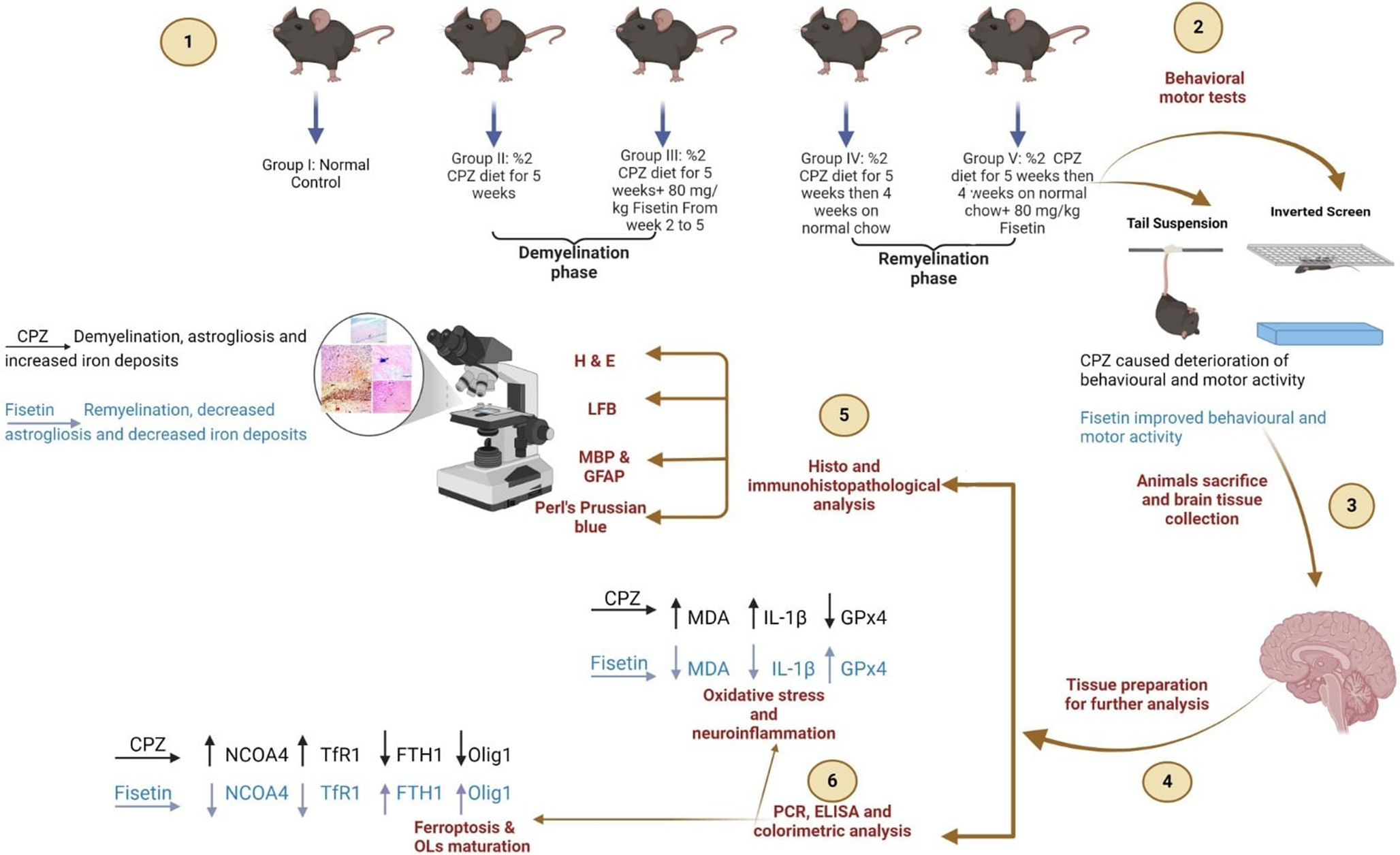
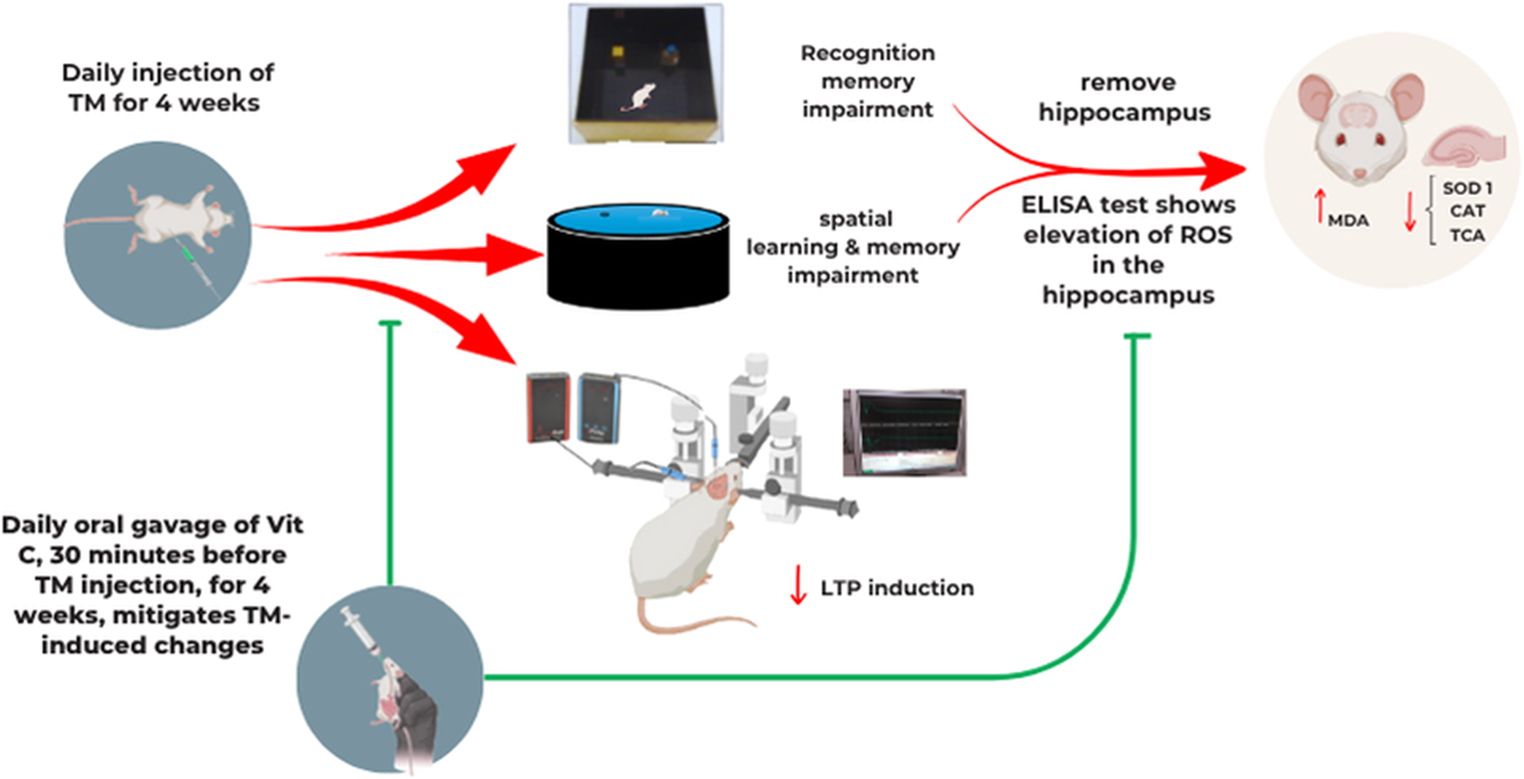
Experimental DesignIn Scheme 1, the animals were randomly assigned to three groups, each consisting of ten rats. In order to dispel allocation bias, a random number generator was implemented. With a power of 0.8, an effect size of 0.6, and an alpha level of 0.05, the G*Power calculator version 3.1 (Düsseldorf, Germany) was employed to determine the sample size.
Scheme 1
Experimental study diagram. AMPA receptor: α-amino-3-hydroxy-5-methyl-4-isoxazolepropionic acid receptor; DRG: dorsal root ganglia; ELISA: enzyme-linked immunosorbent assay; FM GP: fibromyalgia group; Iba-1: binding adaptor molecule 1; IL-1β: interleukin-1 beta; IL-6: interleukin-6; MAPK: mitogen-activated protein kinases; MEL GP: Melatonin group; MT1R: Melatonin receptor 1; MT2R: Melatonin receptor 2; NF-κB: nuclear factor kappa B; NMDA: N-methyl-D-aspartate receptors; NR2B: NMDA receptor subunit 2B; OFT: open field test; PCR: polymerase chain reaction; PGC-1α: peroxisome proliferator-activated receptor gamma coactivator 1-alpha; p.o.: per oral; PSD95: postsynaptic density protein 95; RES: Reserpine; RGS: rat grimace scale; RR: rotarod; RST: Randall-Selitto mechanical threshold; s.c.: subcutaneous; SIRT1: silent information regulator sirtuin 1; TNF-α: tumor necrosis factor-alpha; TST: tail suspension test; VGLUT: vesicular glutamate transporter; VFT: von Frey test
Group I served as the control group, receiving distilled water with 0.5% glacial acetic acid (s.c.) for three days, followed by distilled water with 1% DMSO. Group II, designated as the FM group, received RES (1 mg/kg, s.c.; Sigma-Aldrich, MO, USA) for three days. Group III (FM + Melatonin) received RES (1 mg/kg, s.c.) for three days, followed by Melatonin (10 mg/kg, p.o.; Sigma-Aldrich, MO, USA) dissolved in 1% DMSO in distilled water, administered for three days starting on day 7, one hour before behavioral testing (Galley et al. 2017). Melatonin’s dose was selected based on extensive preclinical evidence demonstrating its efficacy in alleviating pain without inducing motor or sedative side effects (Galley et al. 2017; Tancheva et al. 2021). On the seventh day, the pain reached its peak, consistent with previous findings (De la Luz-Cuellar et al. 2019; Ikeda et al. 2023). The Grimace scale was used to assess spontaneous pain, while mechanical and thermal sensitivities were evaluated using Von Frey, Randall-Sellito, hind paw cold allodynia, and hot plate tests. The next day, the TST was performed to assess supraspinal pain. On the ninth day, behavioral tests examining motor activity, muscle fatigue, and coordination were conducted using the open field (OFT) and rotarod (RR) tests. Motor behavior was subsequently
Comments (0)