Local Anesthetic Resistance: Pathophysiology, Clinical Recognition, and Management Strategies
Purpose of Review
Local anesthetics (LAs) are a foundational component of surgical pain management and play a critical role in multimodal analgesia, particularly in opioid-sparing perioperative strategies. While generally effective, rare instances of LA resistance have been reported, in which standard doses fail to provide adequate analgesia. This review aims to consolidate current evidence on local anesthetic resistance, including its proposed pathophysiology, diagnostic considerations, and management strategies.
Recent Findings
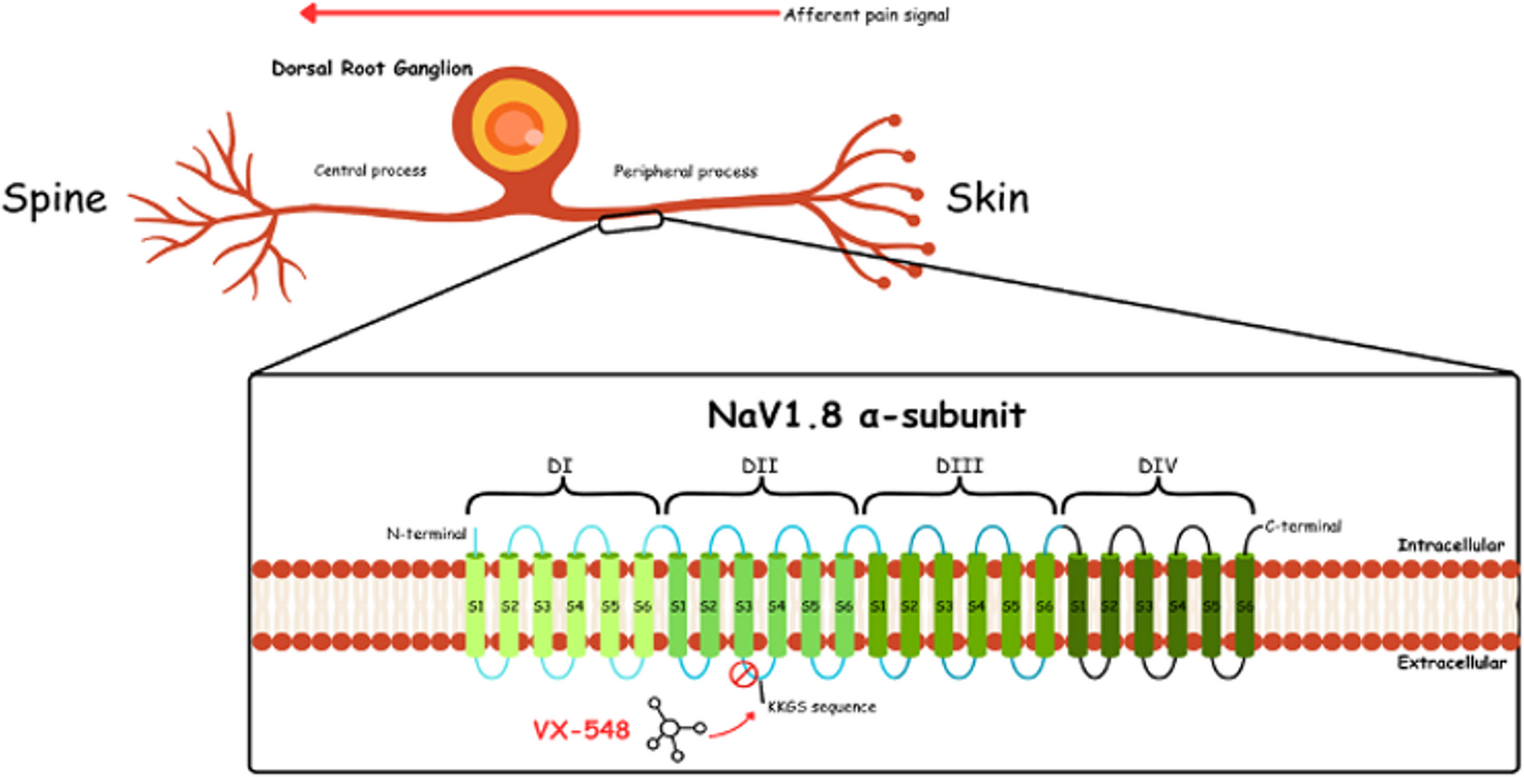
Most cases of apparent LA failure are attributable to technical factors, such as poor procedural technique, suboptimal dosing, medication errors, or inadequate spread to target nerves. True pharmacologic resistance is exceedingly rare, with potential mechanisms involving alterations in voltage-gated sodium channels. Genetic contributions remain incompletely understood. Local anesthetic resistance has also been observed in patients with certain connective tissue or neuromuscular disorders, including Ehlers–Danlos syndrome, specific muscular dystrophies, and hypermobility disorders. Clinical consequences of resistance include inadequate postoperative pain control, increased opioid consumption, prolonged post-anesthesia care unit stays, unplanned hospital admissions, and reduced patient satisfaction.
Summary
Although rare, local anesthetic resistance presents a significant challenge to effective perioperative pain management. Awareness of this phenomenon is critical for clinicians to optimize analgesia in affected patients. Current evidence underscores the need for further research to clarify underlying mechanisms, establish reliable diagnostic approaches, and develop tailored management strategies to mitigate its impact on surgical outcomes.



Comments (0)