Pneumococcal diseases (PDs) are symptomatic infections caused by the bacterium Streptococcus pneumoniae, which can be classified as either invasive PD (IPD) or non-invasive, non-bacteremic pneumococcal pneumonia (NBPP) [1, 2]. Infants, older adults (65+ years), and individuals with chronic conditions or who are immunocompromised are at an increased risk of PD [3, 4]. PDs are common and contribute a significant health and economic burden to healthcare systems, and this burden increases with age and the presence of underlying conditions [5]. In 2022, 17,700 confirmed cases of IPD were reported in the European Union (EU)/European Economic Area, and 539 cases were reported in Norway [6].
Vaccination strategies incorporating pneumococcal conjugate vaccines (PCVs) have substantially reduced the incidence of PD among children in Norway [7, 8]. PCV7 was introduced in the Norwegian childhood immunization program in 2006, which was later replaced by PCV13 in 2011 [9]. This program provided indirect protection among adults, and adult vaccination with the 23-valent pneumococcal polysaccharide vaccine (PPSV23) has helped address residual disease in the adult population [10]. The Norwegian Institute of Public Health (NIPH) recommends pneumococcal vaccination with PCV20, PCV21 (approved in 2025), and PPSV23 for all adults over 65 years of age and for those in medical risk groups that increase their risk of PD [11, 12].
Despite a reduction in IPD attributed to pneumococcal vaccination in Norway, non-vaccine serotypes have emerged through serotype replacement, leading to an increase in IPD cases caused by serotypes not contained in previously available vaccines [7, 14, 15]. For example, in 2023, 13.3% of the population over 18 years old in Norway were vaccinated with any vaccine, and the pneumococcal vaccination coverage rate (VCR, defined as vaccination with PPSV23 alone, any conjugate alone, or any conjugate followed by PPSV23) was 2.3%, 8.7%, and 43.8% among adults aged 18–49 years, 50–64 years, and over 65 years, respectively [16]. Higher-valency PCVs, such as PCV21, have been developed to address this residual burden and expand the coverage of existing vaccines by including additional serotypes.
PCV21 is a 21-valent PCV that contains 8 unique serotypes which are not included in any currently licensed vaccines (15A, 15C [generated from deOAc-15B], 16F, 23A, 23B, 24F, 31, and 35B) along with 3, 6A, 7F, 8, 9N, 10A, 11A, 12F, 17F, 19A, 20A, 22F, and 33F. In March 2025, the European Commission approved PCV21 for use in all 27 EU member states as well as Norway, Iceland, and Liechtenstein. In 2021–2023, disease coverage for PCV21, PCV20, and PPSV23 in Norway for those aged 65 years or more was 83.7%, 59.3%, and 66.4%, respectively [17]. However, the eight unique serotypes in PCV21 accounted for 22.3% of all IPD cases [17], highlighting the potential for additional protection with PCV21 in Norway.
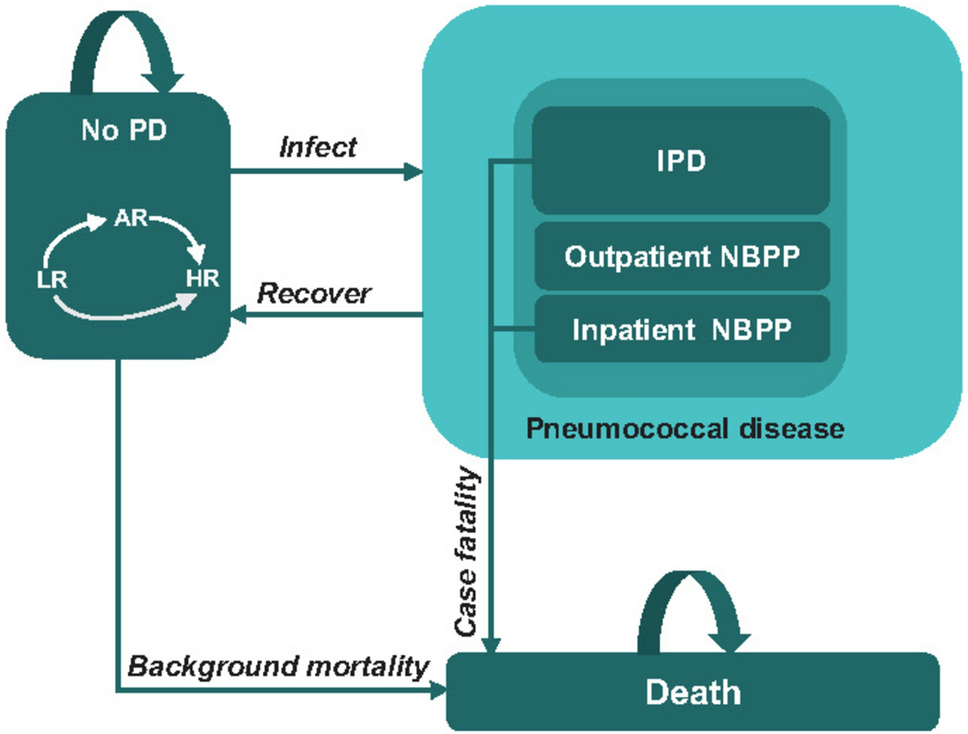
The current study was conducted to quantify the lifetime health and economic burden of PD attributable to PCV21, PCV20, and PPSV23 serotypes among adults in Norway. We hypothesized that PCV21 serotypes would be associated with a greater projected burden of cases, deaths, and costs compared to PCV20 and PPSV23 serotypes.

Comments (0)