Vergouwen MDI, Vermeulen M, van Gijn J, Rinkel GJE, Wijdicks EF, Muizelaar JP, et al. Definition of delayed cerebral ischemia after aneurysmal subarachnoid hemorrhage as an outcome event in clinical trials and observational studies: proposal of a multidisciplinary research group. Stroke: J Cereb Circul [Internet]. 2010;41(10):2391–5.
Article
Google Scholar
Busl KM, Bleck TP, Varelas PN. Neurocritical care outcomes, research and technology: a review. JAMA Neurol Internet. 2019;76(5):612–8.
Article
Google Scholar
Geraghty JR, Testai FD. Delayed cerebral ischemia after subarachnoid hemorrhage: beyond vasospasm and towards a multifactorial pathophysiology. Curr Atheroscler Rep [Internet]. 2017 Dec 1 [cited 2025 Sep 15];19(12).
Pugazenthi S, Norris AJ, Lauzier DC, Lele AV, Huguenard A, Dhar R, et al. Conditioning-based therapeutics for aneurysmal subarachnoid hemorrhage—a critical review. J Cerebral Blood Flow Metab [Internet]. 2023;4(3):317.
Google Scholar
Koch S. Preconditioning the human brain: practical considerations for proving cerebral protection. Transl Stroke Res [Internet]. 2010;1(3):161–9.
Article
PubMed
Google Scholar
Dirnagl U, Becker K, Meisel A. Preconditioning and tolerance against cerebral ischaemia: from experimental strategies to clinical use. Lancet Neurol [Internet]. 2009;8(4):398.
Article
CAS
PubMed
PubMed Central
Google Scholar
Murry CE, Jennings RB, Reimer KA. Preconditioning with ischemia: a delay of lethal cell injury in ischemic myocardium. Circulation [Internet]. 1986;5:1124–36.
Article
Google Scholar
Hausenloy DJ, Mwamure PK, Venugopal V, Harris J, Barnard M, Grundy E, et al. Effect of remote ischaemic preconditioning on myocardial injury in patients undergoing coronary artery bypass graft surgery: a randomised controlled trial. Lancet [Internet]. 2007;370(9587):575–9.
Article
PubMed
Google Scholar
Thielmann M, Kottenberg E, Kleinbongard P, Wendt D, Gedik N, Pasa S, et al. Cardioprotective and prognostic effects of remote ischaemic preconditioning in patients undergoing coronary artery bypass surgery: a single-centre randomised, double-blind, controlled trial. Lancet [Internet]. 2013;382(9892):597–604.
Article
PubMed
Google Scholar
Meng R, Asmaro K, Meng L, Liu Y, Ma C, Xi C, et al. Upper limb ischemic preconditioning prevents recurrent stroke in intracranial arterial stenosis. Neurology [Internet]. 2012;79(18):1853–61.
Article
PubMed
Google Scholar
Walsh SR, Nouraei SA, Tang TY, Sadat U, Carpenter RH, Gaunt ME. Remote ischemic preconditioning for cerebral and cardiac protection during carotid endarterectomy: results from a pilot randomized clinical trial. Vasc Endovascular Surg [Internet]. 2010;44(6):434–9.
Article
PubMed
Google Scholar
Chen HS, Cui Y, Li XQ, Wang XH, Ma YT, Zhao Y, et al. Effect of remote ischemic conditioning vs usual care on neurologic function in patients with acute moderate ischemic stroke: the RICAMIS randomized clinical trial. JAMA [Internet]. 2022;328(7):627–36.
Article
PubMed
PubMed Central
Google Scholar
Kan X, Yan Z, Wang F, Tao X, Xue T, Chen Z, et al. Efficacy and safety of remote ischemic conditioning for acute ischemic stroke: a comprehensive meta-analysis from randomized controlled trials. CNS Neurosci Ther [Internet]. 2023;29(9):2445–56.
Article
CAS
PubMed
PubMed Central
Google Scholar
Gonzalez NR, Hamilton R, Bilgin-Freiert A, Dusick J, Vespa P, Hu X, et al. Cerebral hemodynamic and metabolic effects of remote ischemic preconditioning in patients with subarachnoid hemorrhage. Acta Neurochir Suppl (Wien) [Internet]. 2013;115:193–8.
Article
Google Scholar
Gonzalez NR, Connolly M, Dusick JR, Bhakta H, Vespa P. Phase i clinical trial for the feasibility and safety of remote ischemic conditioning for aneurysmal subarachnoid hemorrhage. Neurosurgery [Internet]. 2014;75(5):590–8.
Article
PubMed
PubMed Central
Google Scholar
Koch S, Katsnelson M, Dong C, Perez-Pinzon M. Remote ischemic limb preconditioning after subarachnoid hemorrhage: a phase Ib study of safety and feasibility. Stroke [Internet]. 2011;42(5):1387–91.
Article
PubMed
PubMed Central
Google Scholar
Koch S, Sacco RL, Perez-Pinzon MA. Preconditioning the brain: moving on to the next frontier of neurotherapeutics. Stroke [Internet]. 2012;43(6):1455–7.
Article
PubMed
PubMed Central
Google Scholar
Raval RN, Small O, Magsino K, Chakravarthy V, Austin B, Applegate R, et al. Remote ischemic pre-conditioning in subarachnoid hemorrhage: a prospective pilot trial. Neurocrit Care [Internet]. 2021;34(3):968–73.
Article
PubMed
Google Scholar
Sangeetha RP, Venkatapura RJ, Kamath S, Christopher R, Bhat DI, Arvinda HR, et al. Effect of remote ischemic preconditioning on cerebral vasospasm, biomarkers of cerebral ischemia, and functional outcomes in aneurysmal subarachnoid hemorrhage (ERVAS): a randomized controlled pilot trial. Brain Circ [Internet]. 2021;7(2):104–10.
Article
CAS
PubMed
PubMed Central
Google Scholar
Cochrane Handbook for Systematic Reviews of Interventions | Cochrane [Internet]. [cited 2025 Jun 18]. Available from: https://www.cochrane.org/authors/handbooks-and-manuals/handbook
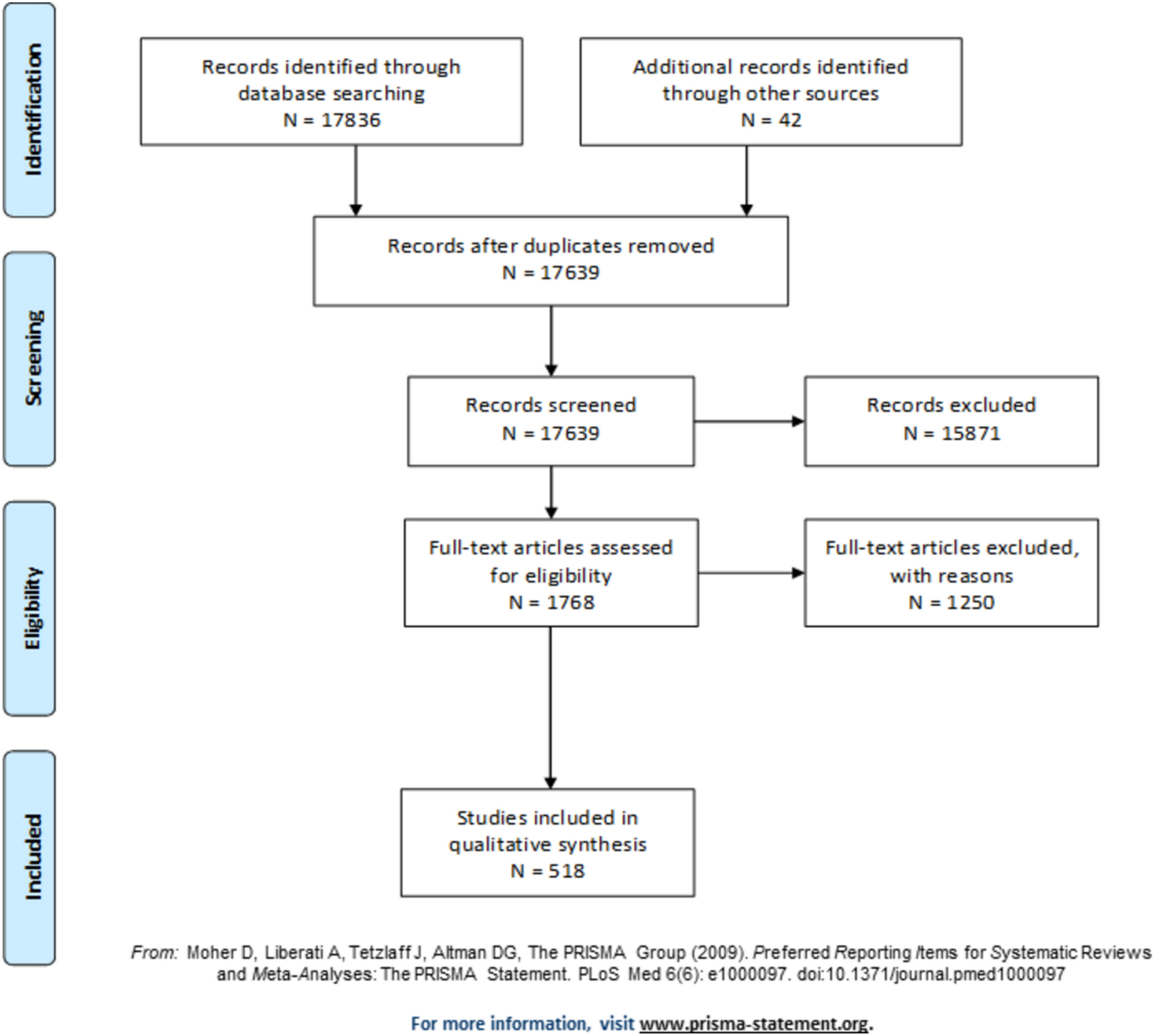
Page MJ, McKenzie JE, Bossuyt PM, Boutron I, Hoffmann TC, Mulrow CD, et al. The PRISMA 2020 statement: an updated guideline for reporting systematic reviews. Br Med J [Internet]. 2021 Mar 29 [cited 2025 Jun 18];372.
PROSPERO [Internet]. [cited 2025 Jun 18]. Available from: https://www.crd.york.ac.uk/PROSPERO/view/CRD42024583701
Ouzzani M, Hammady H, Fedorowicz Z, Elmagarmid A. Rayyan-a web and mobile app for systematic reviews. Syst Rev [Internet]. 2016;5(1):1–10.
Google Scholar
Sulter G, Steen C, De Keyser J. Use of the Barthel index and modified Rankin Scale in acute stroke trials. Stroke [Internet]. 1999;30(8):1538–41.
Article
CAS
PubMed
Google Scholar
Banks JL, Marotta CA. Outcomes validity and reliability of the modified Rankin Scale: implications for stroke clinical trials—a literature review and synthesis. Stroke [Internet]. 2007;38(3):1091–6.
Article
PubMed
Google Scholar
Sterne JAC, Savović J, Page MJ, Elbers RG, Blencowe NS, Boutron I, et al. RoB 2: a revised tool for assessing risk of bias in randomised trials. Br Med J [Internet]. 2019 Aug 28 [cited 2025 Jun 18];366.
Sterne JA, Hernán MA, Reeves BC, Savović J, Berkman ND, Viswanathan M, et al. ROBINS-I: a tool for assessing risk of bias in non-randomised studies of interventions. Br Med J [Internet]. 2016 Oct 12 [cited 2025 Jun 18];355.
R: The R Project for Statistical Computing [Internet]. [cited 2025 Jun 18]. Available from: https://www.r-project.org/
GRADE handbook [Internet]. [cited 2025 Jun 18]. Available from: https://gdt.gradepro.org/app/handbook/handbook.html
GRADEpro [Internet]. [cited 2025 Jun 18]. Available from: https://www.gradepro.org/
Oral Presentations 2015 AANS Annual Scientific Meeting Washington, DC, May 2–6, 2015. Published online August 1, 2015; https://doi.org/10.3171/2015.8.JNS.AANS2015abstracts. J Neurosurg. 2015 Aug;123(2):A479–541.
Sangeetha RP, Ramesh VJ, Kamath S, Chakrabarti D, Christopher R, Aravinda HR, et al. Effect of remote ischemic preconditioning on cerebral oxygen saturation in aneurysmal subarachnoid hemorrhage: secondary analysis of a randomized controlled trial. J Clin Neurosci. 2022;98:78–82.
Article
CAS
PubMed
Google Scholar
Xu Y, Qi M, Wang N, Jiang L, Chen W, Qu X, et al. The effect of remote ischemic conditioning on blood coagulation function and cerebral blood flow in patients with aneurysmal subarachnoid hemorrhage. Neurol Sci. 2020;41(2):335–40.
Article
PubMed
Google Scholar
Sangeetha RP, Venkatapura RJ, Kamath S, Christopher R, Bhat DI, Arvinda HR, et al. Effect of remote ischemic preconditioning on cerebral vasospasm, biomarkers of cerebral ischemia, and functional outcomes in aneurysmal subarachnoid hemorrhage (ERVAS): a randomized controlled pilot trial. Brain Circulation. 2021;7(2):104.
Article
CAS
PubMed
PubMed Central
Google Scholar
Laiwalla AN, Ooi YC, Liou R, Gonzalez NR. Matched cohort analysis of the effects of limb remote ischemic conditioning in patients with aneurysmal subarachnoid hemorrhage. Transl Stroke Res. 2016;7(1):42–8.
Article
PubMed
Google Scholar
Albrecht C, Silvestri T, Wostrack M, Maegerlein C, Janssen I, Martin J, et al. Remote ischemic preconditioning to prevent delayed cerebral ischemia due to vasospasm in the treatment of patients with aneurysmal subarachnoid hemorrhage. Neurocrit Care. 2025. https://doi.org/10.1016/j.bas.2025.104944.
Article
PubMed
PubMed Central
Google Scholar
Pac-Soo CK, Mathew H, Ma D. Ischaemic conditioning strategies reduce ischaemia/reperfusion-induced organ injury. Br J Anaesth. 2015;114(2):204–16.
Article
CAS
PubMed
Google Scholar
Zhao L, Nowak TS. CBF changes associated with focal ischemic preconditioning in the spontaneously hypertensive rat. J Cereb Blood Flow Metab. 2006;26(9):1128–40.
Article
CAS
PubMed
Google Scholar
Gustavsson M, Mallard C, Vannucci SJ, Wilson MA, Johnston MV, Hagberg H. Vascular response to hypoxic preconditioning in the immature brain. J Cereb Blood Flow Metab. 2007;27(5):928–38.
Article
CAS
PubMed
Google Scholar
Dirnagl U, Becker K, Meisel A. Preconditioning and tolerance against cerebral ischaemia: from experimental strategies to clinical use. Lancet Neurology. 2009;8(4):398.
Article
CAS



Comments (0)