
Remember me


Fascism may be broadly described as a set of political behaviors that typically include the rejection of democracy and its institutions, appeals to a national crisis, violent actions toward enemies, and a general rejection of science and rationality. The range of features used to define fascism has varied. Some scholars, however, have identified a set of core features (Eco, 1995; Mason, 2022; Paxton, 2004), many of which are also found in some 21st-century societies (Levitsky & Ziblatt, 2018; Mason, 2022). It could be argued that one of the most challenging problems in contemporary societies is the weakening of democratic political systems and the resurgence of fascist behaviors, seen in both the first half of the 20th century and now in the 21st century (Mason, 2022).
The goal of this paper is to explore some of the cultural practices occurring now that are indicative of a fascist culture. Instead of a general reference to fascism as a political movement, we propose some characteristic cultural practices and the potential contingencies supporting them. Cultural practices include macrobehaviors (operant behavior emitted by multiple people) and culturants (interlocked behavioral contingencies, producing an aggregate product, and selected by an external receiving system; Glenn et al., 2016). They occur in and are influenced by the cultural milieu, or the collection of stimuli in the environment shared by a group (Houmanfar et al., 2024). Rather than dichotomously labeling a society as fascist or not, adopting a culturo-behavioral scientific framework permits the identification of the frequency and range of cultural practices. Moreover, a contingency analysis replaces an essentialist view of fascism with one that describes behavioral events and their relation to environmental variables.
The term fascism has been used to describe many political parties and cultural movements during the first half of the 20th century, including Germany under Nazi rule, Spain under Franco, Brazil’s Estado Novo under Vargas, and, of course, Italy under Mussolini, where the name Fascism originates. A fascist culture corresponds, roughly speaking, to events that have been contemporarily referred to as the political action of a “new extreme right,” “ultra-right,” “proto-fascism,” or “neofascism.” Authors like Eco (1995) point out, however, that the term does not describe a unitary set of cultural practices: different aspects of what may be considered fascism may be found in varying degrees of emphasis in different countries. Thus, a single definition of fascism has been a challenge for researchers (Eco, 1995; Paxton, 2004; Vincent, 2010) and has become even more difficult with new features emerging in 21st-century iterations. While there is some degree of variation in how scholars have defined fascism or its core aspects, there is also a reasonable degree of overlap. We incorporate perspectives from different authors (e.g., Levitsky & Ziblatt, 2018; Mason, 2022; Paxton, 2004; Stanley, 2022) but primarily draw from Eco’s (1995) work for our analysis.Footnote 1
Eco (1995) summarized the common features of what he called “Eternal Fascism,” noting that these features might not be found in every fascist group and that they many even contradict each other. The common features include a cult of tradition; the rejection of modernism; irrationalism or action without reflection; rejection of critical spirit; disagreement as treason; fear of difference or racism; appeal to a frustrated middle class; nationalism or obsession with a plot, and possibly an international one; feeling humiliated by wealthy enemies; warmongering and anti-pacifist ideals; mass popular elitism; a strong cult of Heroism that justifies attacking enemies and dying for the group; misogyny and a discourse of sexual domination; selective populism in which the leader acts as the interpreter of the will of the people, seemingly not as individuals but as a whole entity; and the use of “newspeak,” a reference to Orwell’s (2009) 1984 dystopian novel, referring to the manipulation of language to hinder critical thinking and descriptions of alterative or dissenting ideas. These features, however, vary with respect to salience and frequency depending on the point in time and/or groups analyzed, and many of the features share characteristics with other ideologies (e.g., authoritarianism). Moreover, because each feature in isolation is insufficient to define fascism, it is necessary to consider the range of common features.
Fascist cultural practices occur in many societies, sometimes without a prominence that alarms their members and institutions. When one speaks of a society as fascist, the label is typically applied to multiple and frequent occurrences of fascist cultural practices among many individuals, and especially among the economic elite or those who lead institutional governance. What we call fascism, then, may be generally seen as systems of contingencies that have become frequent in a society, sometimes guiding institutional actions, and largely affecting the lives of many people. Fascist cultural practices are dangerous from the outset; they often involve violence and strengthen and maintain oppressive (aversive) control against others, making it crucial to identify early occurrences.
Here we offer an introductory analysis of fascist cultural practices based on concepts and principles of behavior science, drawing specifically from culturo-behavior science (CBS; Cihon & Mattaini, 2019, 2020; Malott, 2021). CBS is concerned with both behavioral processes and content that result from exposure to individual and cultural selection contingencies (Glenn & Malagodi, 1991). In its approach to cultural phenomena, behavior science developed concepts such as macrobehaviors (“socially-learned operant behavior observed in the repertoires of several/many members of a cultural system” [Glenn et al., 2016, p. 18]) and interlocking behavioral contingencies (IBCs; the interrelated behaviors of members of a cultural system that produce an aggregate product [AP], collectively referred to as culturants [cf. Glenn et al., 2016; Hunter, 2012]).
The macrocontingency describes the (operant) selection of macrobehaviors. Each behavior in a macrocontingency produces its own selective consequence and adds to a cumulative effect of relevance to the cultural system (e.g., when each resident in a city drives to work and contributes to air pollution; cf. Glenn, 2004). The metacontingency describes the selection of culturants (IBCs + APs) by cultural consequences (CCs). These concepts have guided basic research (cf. Cihon et al., 2020) and the interpretation of simple or complex cultural phenomena (e.g., Amorim et al., 2022; Ardila-Sánchez et al., 2019; Borba, 2019; Saini & Vance, 2020). Yet, interpreting concrete and complex cultural phenomena with the conceptual tools of CBS is challenging. The variables involved are numerous and multidimensional, and there are often limited records about the phenomena of interest. Approaching fascism as macrobehaviors and culturants, however, isolates the relevant contingencies and maintaining variables (e.g., CCs) in the current context (i.e., cultural milieu; cf. Houmanfar et al., 2024). We can identify the cultural practices, how they arise, and how they are selected and transmitted before they become articulated and dominant in a society.
Building from Eco’s (1995) list of the core features of fascism, we identified: (1) the corresponding core values and beliefs (i.e., aspects of the cultural milieu), (2) the characteristic cultural practices (i.e., macrobehaviors and culturants), (3) the selecting contingencies (i.e., operant and cultural contingencies), (4) the cumulative effects (i.e., macrocontingencies), and (5) the delayed outcomes from the combined behaviors and culturants that, when somewhat present in a particular culture, might permit the earlier identification of such practices in a society. We further discuss Brazil as a case example, noting how the strengthening of fascist cultural practices and corresponding changes led Jair Bolsonaro to the Presidency in 2018.
The current wave of fascist cultural practices is a global phenomenon. Even if only a few nations (e.g., Brazil, the United States, Turkey) are generally (e.g., Mason, 2022) alluded to as examples, fascist cultural practices are present to varying degrees in many contemporary societies, possibly because they share broad social contingencies (e.g., economic conditions) that favor them (Mattei, 2023). With different configurations at their core, these cultural practices embody the refusal of civilizing values (e.g., justice, equality, human rights) and often promote cruelty and violence. Fascist cultural practices are carried out through individual behaviors and IBCs, and can even impact public policies, such as encouraging civilians to own weapons and discrediting State institutions as mediators of conflicts.
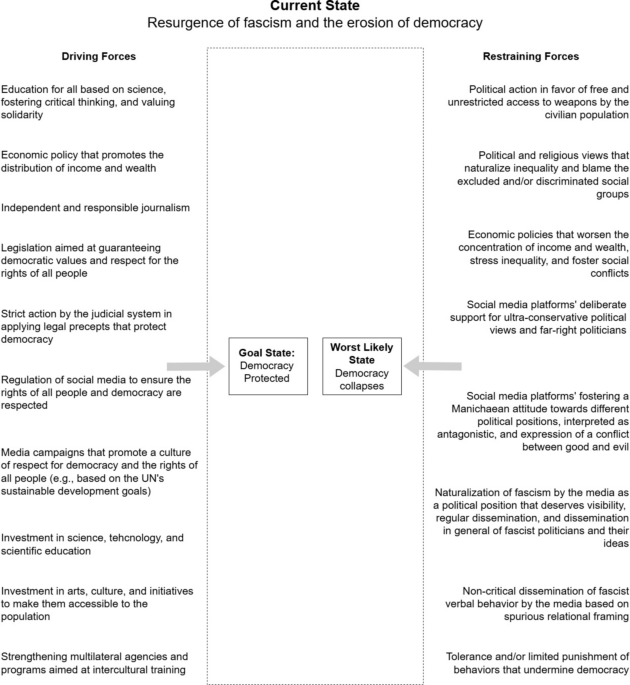
We anticipate that the analysis presented here may help mitigate the spread of these practices through the population, especially if subsequent efforts are made to translate this analysis to the wider public, raising awareness and warning individuals of the adverse effects of fascist cultural practices (and contingencies) that emerge in a society. A CBS account might further suggest paths to disrupt or shift the contingencies creating or propagating fascist cultural practices, offering opportunities to actively engage in collaborative efforts to shift the environmental conditions that promote the transmission and selection of fascist cultural practices. Additionally, a culturo-behavior scientific analysis of fascist cultural practices might suggest potential intervention points to weaken forces driving societies toward fascism and strengthen forces opposing fascism and preserving democracy (i.e., resistance movements).
Culturo-Behavior Scientific Contingency Analysis of Fascist Cultural PracticesAlthough numerous scholars have provided in-depth accounts of fascism, there has been limited attention from behavior scientists on the subject, and contingency analyses of those practices are still needed. In this section, we propose a culturo-behavior scientific account of fascist cultural practices, building on Umberto Eco’s (1995) list of 14 features common to fascism. It is not our goal to discuss the frequency or range of the practices that are sufficient to label an individual, a group, a society, or a movement as fascist. Rather, the analysis we provide aims to enable the identification of some of the practices, no matter how often they are replicated in the repertoires of members of a social group, and the variables of which they may be a function. The analysis also suggests ways to prevent and break the transmission of those practices.
Tables 1, 2, 3, 4, 5, 6, 7, 8, 9, 10, 11, 12, 13, 14 list the core features of fascism, including the macrobehaviors and culturants that define them, and the variables of which they are a function (i.e., macrocontingencies and metacontingencies). Each table addresses one of the core features, including the corresponding values and beliefs. We provide examples of operant behavior emitted by multiple people, selected by individual consequences (i.e., macrobehaviors and macrocontingencies), and IBCs exhibited by fascist groups and the resulting APs, as well as the contingent CCs that may maintain them. We also include examples of delayed outcomes and cumulative effects that result from the metacontingencies and macrocontingencies. It is important to highlight, however, that variations exist—topographies may differ and assume different configurations in diverse societies.
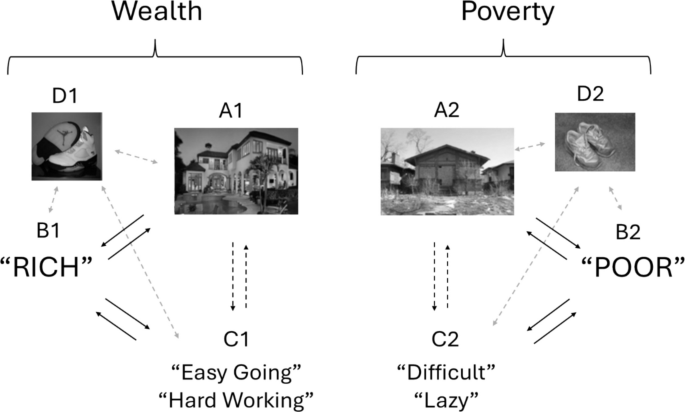
Table 1 A cult of traditionTable 2 The rejection of modernism and rationalityTable 3 Irrationalism; action without reflectionTable 4 Rejection of critical spirit; disagreement is treasonTable 5 Fear of difference and racismTable 6 Appeal to a frustrated middle classTable 7 Nationalism; obsession with a plotTable 8 Feeling of humiliation by wealthy enemiesTable 9 Warmongering and anti-pacifist idealsTable 10 Mass popular elitismTable 11 A strong cult of heroism that justifies attacking enemies and dying for the groupTable 12 Misogyny and a discourse for sexual dominationTable 13 Selective populismCultural Milieu: Shared Stimulus Functions & ValuesBeginning with the idea that fascist cultural practices entail beliefs and values, we propose that they are viewed as part of the cultural milieu under which specific culturants and macrobehaviors are more likely to occur and be selected. These culturants and macrobehaviors also strengthen and increase the spread of the values and beliefs, creating a positive feedback loop that accelerates the frequency and intensity of fascist cultural practices (Mobus, 2022). Essentially, the cultural milieu describes the context for the acquisition and maintenance of fascist cultural practices. These are generally based on color and race or social and regional origin, and have been part of what maintains poverty, inequity, exclusion, and everyday violence. This cultural milieu has fostered specific, shared stimulus functions and social, economic, and psychological values and beliefs that are distinctly compatible with the common features of fascism. For example, Eco’s (1995) fear of difference (see Table 5) promotes beliefs related to racial intolerance toward discriminated populations, which can be seen in Brazil’s economic and social hierarchies.
Economic variables may also function as part of the cultural milieu, serving as motivating operations (MOs; Laraway et al., 2003) that alter the sensitivity of individuals to certain contingencies that shape and maintain macrobehaviors. Extending the previous example, under restrictions imposed by austerity policies, people are more likely to agree with claims that they are losing their jobs because immigrants or other social groups (including those with less economic power) are gaining rights (see Table 7). Such assertions may enter verbal relations between stimuli that, under additional contingencies of reinforcement (or lack of punishment), come to control violent behaviors against these social groups, voting for politicians who promise to restore their jobs and income (cf. de Rose, 2016). By maintaining a discourse and promoting contingencies of reinforcement described as those beliefs, it is more likely that fascist operant behaviors will be emitted.
Fascist Cultural Practices and Culturants: Immediate and Delayed OutcomesSome fascist cultural practices are choice behaviors, occurring in the context of competing cultural practices; each behavior produces immediate and delayed results, only some of which function as selective consequences. In this sense, fascist cultural practices compete with democratic cultural practices, which include tolerance of dissent and guarantees of rights (see Table 4). The immediate (e.g., diversity of opinion) and delayed (e.g., high capacity to solve new problems) outcomes that correspond to democratic cultural practices are more favorable to society. In democratic systems, delayed events favorable to society are more likely to function as CCs that select and maintain the cultural practices.
Conversely, when a government attacks universities and research institutions, it can stifle dissent, discontinue projects that produce contrary evidence, and lead non-fascist researchers to abandon the country (e.g., Eco’s [1995] rejection of modernism; see Table 2). The immediate results are those that control fascist systems, functioning as individual and cultural consequences that effectively select and maintain the corresponding cultural practices. In the long term, however, there will be reduced capacity to solve new problems, diminished economic competitiveness, and fewer professionals prepared to serve society.
The immediate selective consequences of fascist cultural practices, in combination with the delayed outcomes and cumulative effects of fascist macrocontingencies, shape the long-term environmental conditions that maintain these practices at the cultural level. Consider, for example, the increase in the acquisition and use of firearms observed in Brazil from 2018 to 2022, reflecting the core feature of warmongering and anti-pacifist ideals (see Table 9). Within a cultural milieu in which pacifism (i.e., trafficking with the enemy) is differentially punished, culturants that promote violence are more likely to be selected, and fear functions as an MO. Under these conditions, firearm acquisition and use are differentially reinforced, increasing the proportion of the population engaging in these practices. The macrobehaviors may be reinforced by various individual consequences, such as approval from other members of fascist groups and membership in such groups.
Additionally, macrobehaviors such as posts in favor of proposals from fascist groups and criticizing divergent ideas on social media may function as CCs. The delayed outcomes or cumulative effects, such as more armed civilians, elevated homicide rates, and a greater proportion of the population exposed to or living under the threat of violence and deprivation of basic human rights, although detrimental to society, do not function as effective behavioral or CCs in the selection and maintenance of fascist cultural practices. Under these conditions, behavior allocated toward immediate rather than delayed reinforcement (e.g., impulsive responding) is more likely to be reinforced by members of fascist groups and to occasion access to additional reinforcers with reduced response effort (see Table 3).
Many fascist cultural practices, therefore, can be understood as patterns of behavior under the control of immediate individual and CCs that compete with delayed outcomes more favorable to society. They may constitute instances of unethical behavior insofar as they are maintained by consequences that primarily benefit the fascist group. Accordingly, contingency analyses of these practices should consider both immediate and delayed outcomes, as well as their differential effects on the group and society. This reflects a form of competition in which only behaviors and cultural practices that favor societal well-being are considered ethical, or exemplars of cultural self-control (cf. Almeida et al., 2024; Tourinho & Vichi, 2012).
Researchers who have addressed ethical self-control and cultural self-control (e.g., Almeida et al., 2024; Borba et al., 2017; Silva et al., 2021; Soares et al., 2018) highlight the importance of verbal events in the selection and maintenance of self-controlled culturally relevant behavior, especially when CCs are delayed. Some findings suggest that delayed CCs or those with which groups have not yet come into contact can control IBCs in a cultural system (Tourinho, 2013). Through verbal processes, such as relational framings, distant events begin to control the extant IBCs in a cultural system.
In modern societies, science exerts strong control over behavior. Its authority in describing reality, grounded in its success in controlling nature and promoting safety and comfort, supports actions that yield socially beneficial delayed outcomes. For this reason, science may be an enemy of cultural practices maintained by immediate consequences (see Table 2). Science, universities, and research institutes are attacked by fascist groups not only because of scientific statements about particular facts, but also because of their authority and power to intervene in the promotion of self-controlled cultural practices that compete with fascist cultural practices. Science and art that produce statements or conclusions inconsistent with fascist ideals and goals are likely to be punished, discredited, or defunded, establishing contingencies that suppress critical inquiry and reject the critical spirit (Eco, 1995; see Table 4).
Macrobehaviors Involved in Fascist Cultural PracticesThe previous sections present the values and beliefs that comprise a cultural milieu in which fascist cultural practices are more likely to be selected and maintained, as well as examples of culturants that produce short-term CCs, which, in turn, strengthen them. Conditions also emerge that favor the occurrence of individual behaviors, which may additionally fit the defining characteristics of macrobehaviors that contribute to the maintenance and reinforcement of fascist cultural practices. These macrobehaviors, together with widespread culturants described in the previous sections, may lead to delayed outcomes and cumulative effects that affect the entire population. Next, we examine several of the macrobehaviors presented in Tables 1, 2, 3, 4, 5, 6, 7, 8, 9, 10, 11, 12, 13, 14.
It is interesting to note that current regimes with authoritarian orientations (and that employ the practices described here) were, in most cases, elected through democratic processes. Here, voting is conceptualized as macrobehavior, even if we recognize the influence of social contingencies such as propaganda and the dissemination of fake or highly biased news. Within this cultural context, a substantial portion of the population expresses support and votes for candidates who adopt fascist rhetoric and defend projects, laws, and public policies aligned with those practices. This “support” often takes the form of disapproval and rejection of the opposing party. The election of Jair Bolsonaro in Brazil in 2018, for example, was driven not only by support for the candidate but also by the widespread rejection of the Workers’ Party, which had faced a series of corruption scandals during its time in office (Boito Jr., 2021). The corruption scandals were strategically exploited by the far-right, which framed itself as an alternative to “everything that’s currently in place,” including candidates of leftish orientation but also more moderate right-wing and center candidates.
Beyond voting, support for fascism can be observed in the endorsement of behaviors aligned with these practices, such as hate speech or criticism of science and art associated with progressive movements, many of which now occur on social media. Examples include producing, liking, and sharing posts that support fascist ideas or practices. These behaviors are often maintained by social positive reinforcement, such as likes and shares, which further amplify these practices. Behaviors such as attacking individuals who express progressive ideas or denounce fascist practices are also reinforced within these social networks.
In this environment, macrobehaviors that are anti-scientific are also likely to emerge. The COVID-19 pandemic provides several examples, including refusing vaccination, frequenting crowded places during lockdown periods, and sharing online posts criticizing mask use (Table 2). These behaviors may be socially reinforced and maintained by their low response cost and effort, as they often involve fewer immediate inconveniences. For example, they might contribute to cumulative effects such as the resurgence of transmissible or endemic diseases that might have been prevented by vaccination.
Another relevant class of behaviors involves acts of physical or symbolic violence against individuals who do not conform to fascist expectations, particularly those who belong to historically marginalized groups. These include acts of aggression toward women, members of LGBTQIA+ communities, domestic migrants, international immigrants, ethnic minorities, and members of non-dominant religious communities (see Tables 5, 8, and 12). In addition to being socially reinforced by members of fascist groups, such behaviors include the use of aversive control against others, increasing the probability that targets of aggression withdraw, submit, or modify their behavior. For instance, members of LGBTQIA+ communities might refrain from public displays of affection to avoid being attacked. Violent behaviors are also maintained by negative reinforcement, to the extent that they remove or reduce stimuli that aggressors perceive as aversive (cf. Sidman, 1989). Notably, such stimuli are only aversive insofar as they contradict the practices or values of the dominant group (see Table 5). The frequency of individual behaviors and institutional violence likely contributes to a cumulative effect, as a greater proportion of the population is subjected to violence and maintained by a vicious cycle of poverty and other forms of oppression.
Many of these macrobehaviors appear to share common consequences—social positive reinforcement in the form of group membership, social status within these groups, and access to resources, employment, and education associated with dominant groups. Relatedly, behaviors that prevent the loss of access to these privileges are maintained by negative reinforcement. Fascist rhetoric invoking a better, though mythical, past and current crisis may also function as MOs that increase the probability of these behaviors and reduce the aversiveness of alternatives (e.g., normalizing the use of symbolic violence against populations that are presumably competing for jobs, or attributing the decline of society to women being treated as equals to men). The cumulative effects might include an increased segment of the population kept in oppressive situations, which can lead to an increase in the number of cases of domestic violence against women and feminicides, as well as a higher prevalence of mental health issues and suicide among oppressed populations such as members of LGBTQIA+ communities (e.g., mass popular elitism; see Table 10).
Many of these macrobehaviors might be maintained by negative reinforcement, or the avoidance of aversive contingencies imposed by the fascist group. This may involve threats of exclusion, public disapproval, or being labeled “the enemy.” These contingencies sustain the behavior of fascist individuals and shape the behavior of those who do not necessarily share fascist values yet choose not to engage in counter-control practices and resistance movements, such as publicly confronting discrimination. The absence of such responses reduces ethical sanctions against fascist behaviors, leaving intact the consequences that strengthen it. In other words, silence and compliance from part of the population might not be described as fascist but still serve to strengthen fascist cultural practices (see Table 11).
It is possible to analyze fascist macrobehaviors as one dimension of impulsive or selfish behavior, in competition with altruistic or ethically self-controlled behaviors (Borba et al., 2017; Tourinho & Vichi, 2012). As noted, these behaviors reflect choices that may yield immediate individual gains while contributing to broader cultural problems. In the cases mentioned here, the immediate gains include social positive reinforcement, access to tangible reinforcers, and avoidance of aversive contingencies promoted by the fascist groups. Although these macrobehaviors might produce gains for the fascist groups, for example, controlling access to reinforcers, the delayed outcomes and cumulative effects impact everyone, whether they are engaging in the cultural practices or not. Cumulative effects like the erosion of the economic environment and depletion of natural resources are not restricted to only those individuals who engaged in fascist cultural practices (see Table 6).
The analysis of macrobehavior must account for its relationship with the cultural milieu and other culturants. This means recognizing a dynamic and recurring interaction in which individual behaviors are occasioned as part of IBCs, shaped by the social consequences maintained by people sharing that cultural milieu, all while functioning as environmental conditions that select cultural practices. For example, the widespread behavior of voting for candidates with authoritarian or fascist rhetoric results in CCs such as the enactment of laws and public policies aligned with fascist agendas, which in turn strengthen the aggressive behaviors of individuals who engage in fascist conduct (see Table 1). This relation constitutes a positive feedback loop (Mobus, 2022), wherein each element amplifies and reinforces the next, which then further amplifies the former. As contemporary systems science warns, such recursive dynamics can produce instability and collapse, as behaviors driven by short-term gains reduce behavioral variability and adaptive flexibility, particularly when delayed consequences begin to affect the system. These crises feed back into the system as fascist practices exploit them, sometimes generating them, to maintain control. Over time, however, cultures that reinforce conformity and punish diversity at individual and cultural levels are less likely to survive the changes those practices produce.
Cultural Transmission of Fascist Cultural PracticesEqually relevant to identifying some of the variables of which fascist macrobehaviors and culturants are a function is to identify the contingencies under which those classes of responses or culturants are taught to more members of the cultural system, that is, how those macrobehaviors and culturants are transmitted. A culturo-behavior lineage refers to “the transmission of operant behavior across individual repertoires” (Glenn et al.
Comments (0)