Choy J1, 2, 3, McCreary CR2, 3, 4, 8, Gee M5, Mazerolle EL6, Robalo B7, Frayne R2, 3, 4, 8, Ismail Z3, 9, 10, Jickling G11, Camicioli R5, 12, Pike BG2, 3, 8, Smith EE2, 3, 4, Beaudin AE2, 3
1UCD School of Medicine, University College Dublin, Belfield, Dublin 4, Dublin, Ireland.
2Department of Clinical Neurosciences, University of Calgary, Calgary, AB, Canada.
3Hotchkiss Brain Institute, University of Calgary, Calgary, AB, Canada.
4Seaman Family MR Research Centre, Foothills Medical Centre, Alberta Health Services, Calgary, AB, Canada.
5Division of Neurology and Department of Medicine, University of Alberta, Edmonton, AB, Canada.
6Department of Psychology, St. Francis Xavier University, Antigonish, NS, Canada.
7Department of Obstetrics and Gynaecology, Erasmus MC, University Medical Center Rotterdam.
8Department of Radiology, University of Calgary, Calgary, AB, Canada.
9Department of Psychiatry, University of Calgary, Calgary, AB, Canada.
10Mathison Centre for Mental Health Research & Education, University of Calgary, Calgary, AB, Canada.
11Department of Medicine, Faculty of Medicine and Dentistry, University of Alberta, Edmonton, Canada.
12Neuroscience and Mental Health Institute, University of Alberta, Edmonton, AB, Canada.
Cerebral amyloid angiopathy (CAA) is characterized by vascular deposition of beta-amyloid in the small blood vessels of the brain. The brain structural connectome reflects white matter (WM) connections between brain regions and is disrupted in CAA patients, possibly due to the reduced cerebrovascular reactivity (CVR). The objective of this study was to assess the association between structural connectome and CVR in patients with CAA, Alzheimer’s disease (AD) and mild cognitive impairment (MCI).
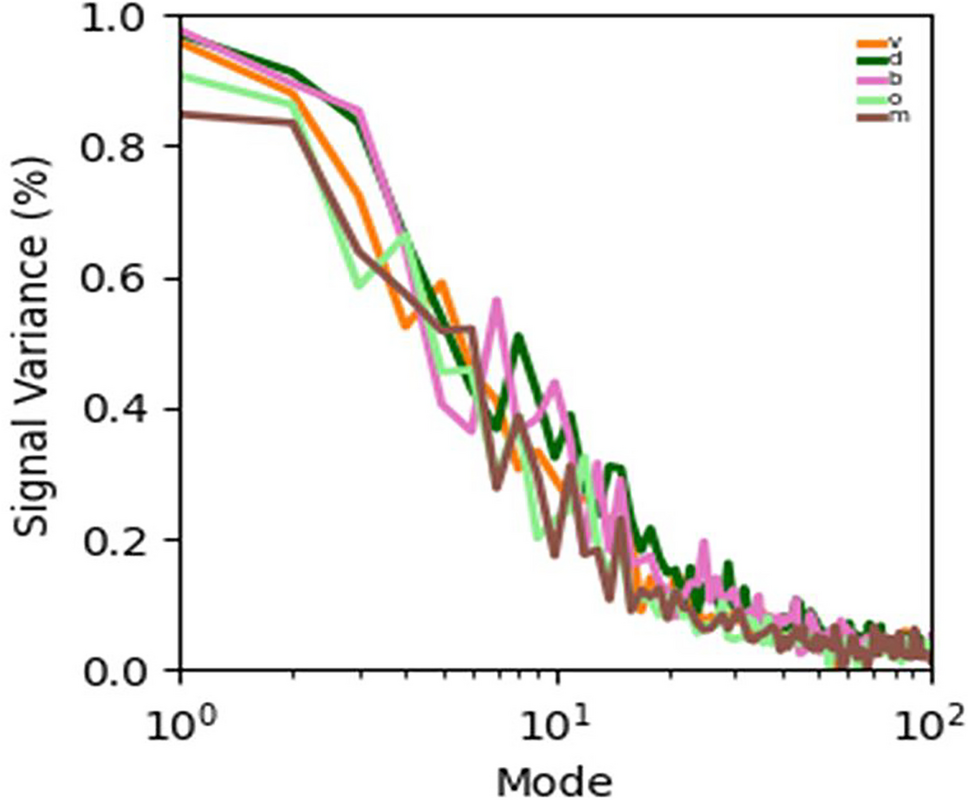
Participants underwent a 3T MRI that included a T1-weighted image, diffusion weighted imaging (DWI) and blood-oxygen level dependent imaging (BOLD) involving a 2-minute hypercapnic challenge (5% inspired CO2). DWI tractography was performed with reconstructed white matter tracts parcellated into 90 cortical and subcortical regions using the automated anatomical labeling (AAL) atlas. Structural connectome measures of global and local efficiency, and characteristic path length were derived from fractional anisotropy (FA) weighted connectivity matrices while gray matter (GM) and WM CVR were expressed as the %∆ in BOLD per mmHg increase in end-tidal partial pressure of CO2.
Compared to HCs, CAA participants had lower global and local efficiency, and longer characteristic path length; there was no significant difference with AD and MCI. In association with GM and WM CVR, global and local efficiency showed positive relationships while characteristic path length showed a negative association.
Disrupted brain structural connections are associated with a reduced ability of the brain to increase blood flow when needed. These findings support the premise that neurological impairment in CAA may result from decreased CVR
HC
CAA
AD dementia
MCI
P-Value
Sample, n
54 (18 male)
45 (28 male)
16 (9 male)
25 (17 male)
0.007
Age (y, mean ± SD)
69.2 ± 5.3
73.5 ± 6.9
69.3 ± 6.4
72.2 ± 7.9
0.006
Presenting Author: Jess Shu Hsuen Choy
Supervisor: Dr Eric E. Smith
Co-Supervisor: Dr Andrew E. Beaudin

Comments (0)