
Remember me
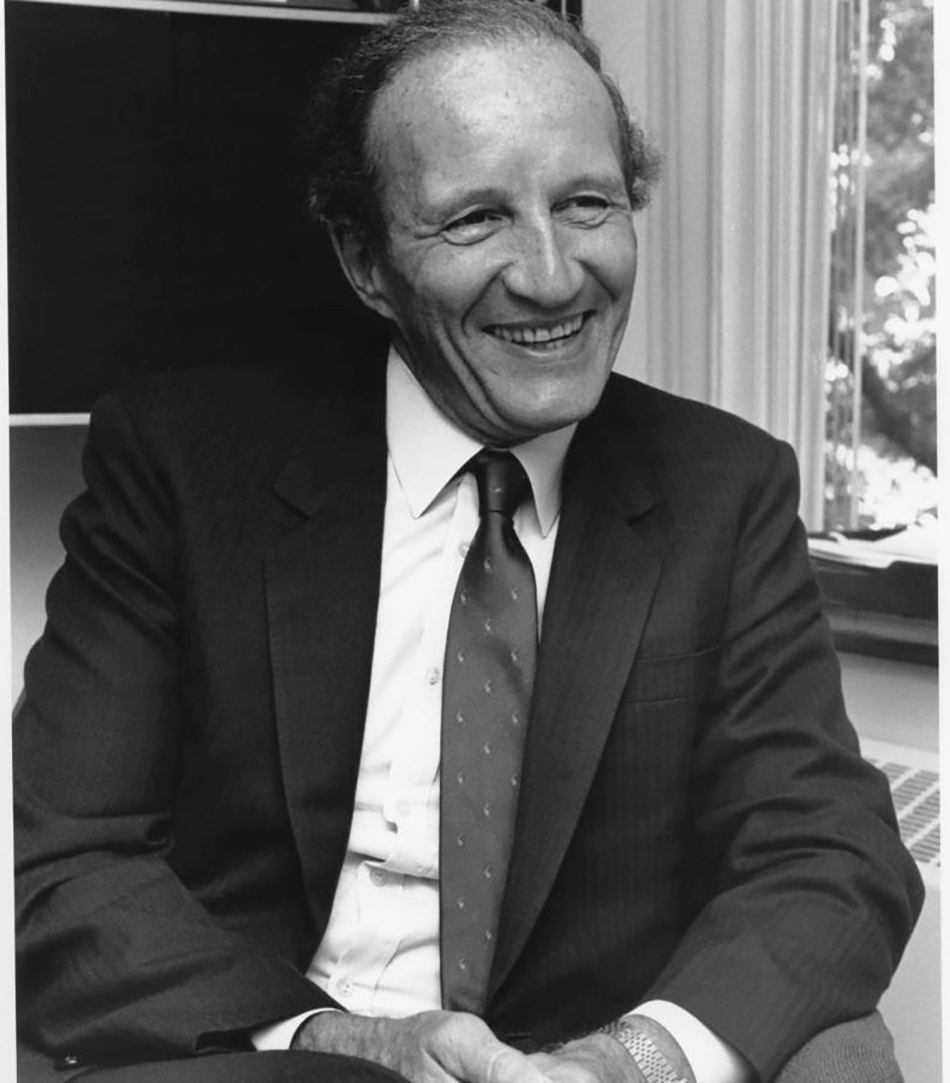
Karl Rickels, MD, died peacefully and surrounded by family on July 16, 2025 at his home in Gladwyne, PA. He was 100 years old. Dr. Rickels became a member of the American College of Neuropsychopharmacology (ACNP) in 1961 and later served as a Fellow Emeritus, reflecting his long-standing contributions to the field. Dr. Rickels was a pioneering psychiatrist whose six-decade career shaped the modern treatment of anxiety and depressive disorders. He was among the first physicians to study and develop outpatient pharmacotherapy for psychiatric illness, transforming care from hospital to community settings.

Born in Wilhelmshaven, Germany, in 1924, Dr. Rickels was educated at the University of Münster, earning his medical degree in 1951. After serving briefly in the German Africa Corps and surviving over two years as a prisoner of war in the United States, he returned to Germany determined to pursue psychiatry. In 1954, he immigrated to the U.S. to complete residency training at the Mental Health Institute in Cherokee, Iowa, where he witnessed the transformative effects of emerging psychopharmacologic treatments. In 1955, he joined the University of Pennsylvania to complete his residency and remained there throughout his distinguished career.
Dr. Rickels’ early research focused on developing safe and effective outpatient drug treatments for anxiety, panic, and depressive disorders. Beginning in 1959, his work received continuous support from the National Institute of Mental Health for fifty years. He led numerous landmark clinical trials that contributed directly to the FDA approval of the first and subsequent benzodiazepines— chlordiazepoxide (Librium), diazepam (Valium), lorazepam (Ativan), and alprazolam (Xanax) [1], followed by the anxiolytic buspirone (Buspar) [2]. He conducted controlled clinical trials in major depressive disorder of various classes of antidepressants, including selective serotonin reuptake inhibitors (SSRIs), such as fluoxetine (Prozac), and serotonin-norepinephrine reuptake inhibitors (SNRIs), such as venlafaxine (Effexor) [3]. Importantly, Dr. Rickels was the first physician scientist to demonstrate the efficacy of certain antidepressants in the treatment of anxiety disorders [4]. He also demonstrated that alprazolam was equally efficacious, compared to imipramine, for the long-term treatment of panic disorder [5].
In 1977, Dr. Rickels was named the Stuart and Emily Mudd Professor of Human Behavior and Reproduction at the University of Pennsylvania. His work extended into the study of premenstrual dysphoric disorder, benzodiazepine dependence, nonspecific factors (protocol adherence, adverse effects, smoking) and comparative pharmacologic strategies for chronic anxiety. He published more than 600 scientific papers, chapters, and books, establishing clinical research standards that remain foundational to psychopharmacology today. His 2011 autobiography, A Serendipitous Life: From German POW to American Psychiatrist, chronicled his scientific and personal journey.
Dr. Rickels’ contributions were recognized by numerous awards, including the NIH Merit Award (1988), the Philadelphia Psychiatric Society Lifetime Achievement Award (2003), and the University of Pennsylvania’s William Osler Award for Patient-Oriented Research (2008). International honors followed, among them the Collegium Internationale Neuro-Psychopharmacologicum Pioneer in Psychopharmacology Award (2012) and Penn Medicine’s Distinguished Graduate Award (2018). In recognition of his commitment to academic psychiatry, he endowed three professorships at Penn: the Karl Eduard Rickels Chair (1993), the Karl and Linda Rickels Chair (1999), and the Roehrhoff Rickels Chair (2015).
Dr. Rickels’ rigorous clinical methods, longitudinal trial designs, and emphasis on patient safety helped establish psychopharmacology as a data-driven discipline. His research demonstrated that well-structured, controlled studies could yield reliable, clinically meaningful evidence, setting the methodological template for modern psychiatric drug development. For more than half a century, he remained a mentor and collaborator to generations of investigators worldwide.
Dr. Karl Rickels’ scientific legacy endures through the countless clinicians and researchers influenced by his work, and through the millions of patients whose lives were improved by the treatments his studies helped bring to practice.
Comments (0)