Anastomosis of the dorsal pancreatic artery and first jejunal artery forming a pancreaticojejunal arcade: a clinically significant Bühler-type celiac–mesenteric collateral
Purpose
Although anastomoses between the dorsal pancreatic artery (DPA) and superior mesenteric artery (SMA) branches are well known, a direct end-to-end DPA–first jejunal artery (FJA) connection has never been described. We report this novel vascular variant and evaluate its anatomical and clinical relevance.
Methods
A case of abdominal anatomy. The anatomical characteristics of the celiac trunk (CeT) (including its branches) and the DPA were documented in a 68-year-old male specimen.
Results
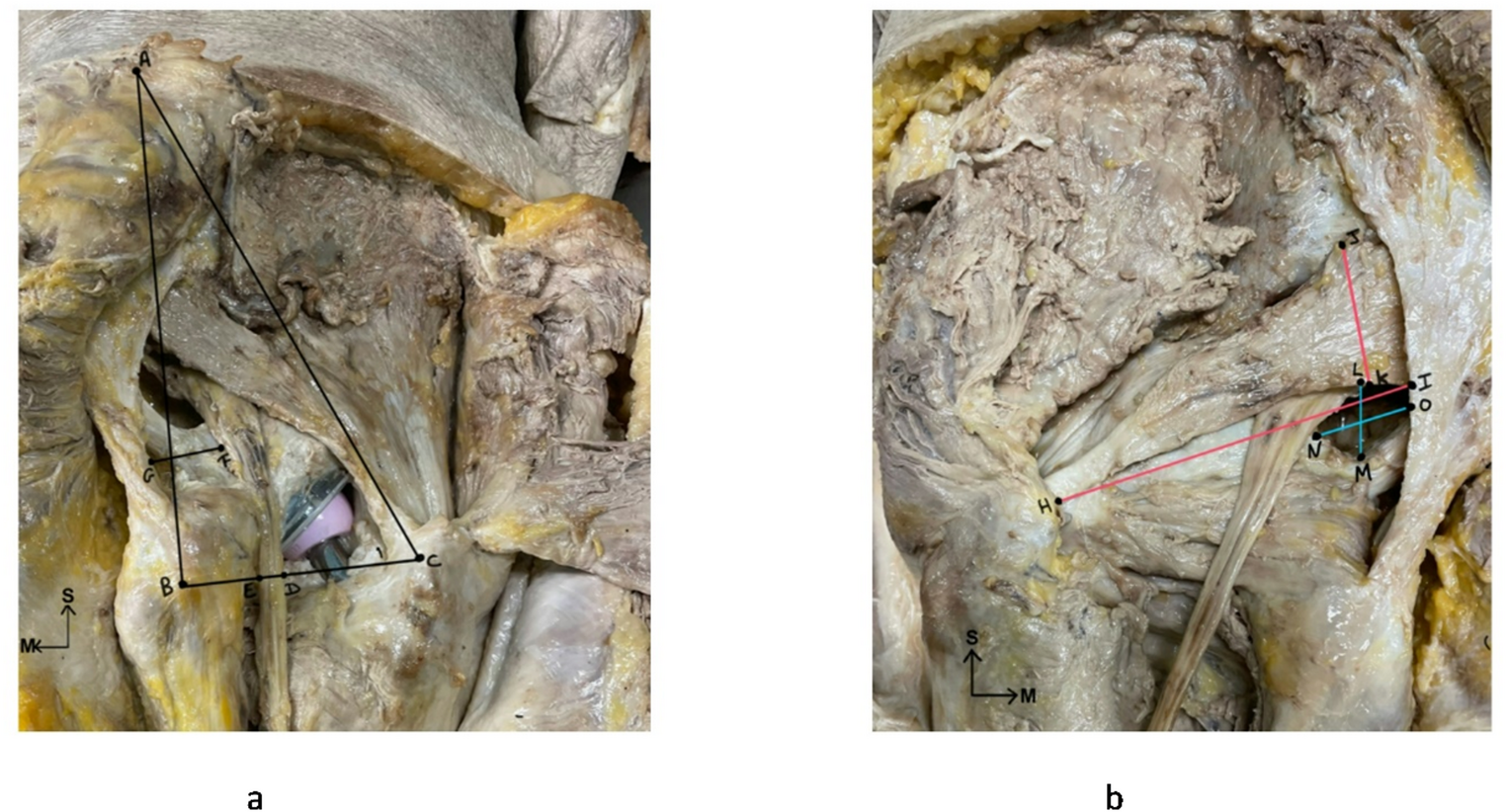
The DPA originated from the common hepatic artery (CHA) and descended posterior to the pancreas. Typical pancreaticoduodenal (PD) arcades were absent. Instead, the DPA formed a direct end-to-end anastomosis with the FJA, which arose anomalously from the right anterolateral aspect of the SMA, contrary to its typical left‒sided origin. This created a continuous arterial channel between the pancreatic body and proximal jejunum, termed the pancreaticojejunal (PJ) arcade. Unlike previously reported DPA–SMA collaterals limited to the duodenum, this is the first DPA–FJA anastomosis extending celiac–mesenteric collateral flow beyond the ligament of Treitz.
Conclusion
This PJ arcade represents a functionally significant, Bühler-type foregut–midgut collateral. Its diameter is significantly larger than that of the arc of Bühler, and its inadvertent ligation during pancreaticoduodenectomy or vascular surgery may compromise dual perfusion territories. Preoperative computed tomography (CT) angiography should be considered to identify such variants.


Comments (0)