×
Close
Sign Up
Login
Home
SCI Abstract
Library D
Community
Events
Events & Partner
WeMed
Media Partners
Educational Partner
User Tools
FAQ/USER GUIDE
Language
English
中文/ Chinese
Contact Us
×
Close
mdla_1
mdla_2
mdla_3
mdla_4
mdla_5
mdla_6
Categories
Toxicology
3969
Global Medical University
4789
Allergy
1407
Anatomy & Morphology
1316
Andrology
280
Anesthesia & Intensive Care
1203
Anesthesiology
4994
Audiology & Speech-Language Pathology
248
Behavioral Sciences
90
Biochemical Research Methods
6614
Biochemistry & Molecular Biology
27711
Biodiversity Conservation
289
Biology
7774
Biophysics
7736
Biotechnology & Applied Microbiology
7704
Cardiac & Cardiovascular Systems
28874
Cardiovascular & Respiratory Systems
1179
Cell & Tissue Engineering
661
Cell Biology
10067
Chemistry, Analytical
3551
Chemistry, Applied
10246
Chemistry, Medicinal
8082
Chemistry, Multidisciplinary
16767
Clinical Immunology & Infectious Disease
369
Clinical Medicine
7227
Clinical Neurology
15273
Clinical Psychology & Psychiatry
1209
Critical Care Medicine
2968
Dentistry, Oral Surgery & Medicine
11967
Dermatology
6078
Developmental Biology
6333
Ecology
559
Education, Scientific Disciplines
1842
Emergency Medicine
3703
Endocrinology, Metabolism & Nutrition
22386
Engineering, Biomedical
3521
Entomology
445
Environmental Medicine & Public Health
4266
Evolutionary Biology
243
Gastroenterology & Hepatology
10984
General & Internal Medicine
6438
Genetics & Heredity
13894
Geriatrics & Gerontology
4550
Gerontology
352
Health Care Sciences & Services
14641
Health Policy & Services
531
Hematology
4883
Immunology
23065
Infectious Diseases
12779
Integrative & Complementary Medicine
2804
Medical Ethics
1147
Medical Informatics
2110
Medical Laboratory Technology
357
Medicine, General & Internal
41052
Medicine, Legal
493
Medicine, Research & Experimental
16085
Microbiology
21646
Mycology
0
Nanoscience & Nanotechnology
4675
Neuroimaging
1251
Neurology
3991
Neurosciences
37098
Nursing
8343
Nutrition & Dietetics
7187
Obstetrics & Gynecology
7480
Oncology
47789
Ophthalmology
8984
Optics
3857
Orthopedics
10536
Orthopedics, Rehabilitation & Sports Medicine
1647
Otolaryngology
1367
Otorhinolaryngology
4346
Parasitology
1084
Pathology
4429
Pediatrics
19764
Peripheral Vascular Disease
4437
Pharmacology & Pharmacy
32127
Pharmacology/Toxicology
11361
Physiology
8116
Polymer Science
486
Primary Health Care
741
Psychiatry
17644
Psychology
4719
Psychology, Applied
100
Psychology, Biological
334
Psychology, Clinical
746
Psychology, Developmental
244
Psychology, Educational
139
Psychology, Experimental
146
Psychology, Mathematical
0
Psychology, Multidisciplinary
1590
Psychology, Psychoanalysis
26
Psychology, Social
108
Public Health & Health Care Science
1968
Public, Environmental & Occupational Health
25276
Quantum Science & Technology
0
Radiology, Nuclear Medicine & Imaging
11550
Radiology, Nuclear Medicine & Medical Imaging
7174
Rehabilitation
2620
Remote Sensing
0
Reproductive Biology
2665
Reproductive Medicine
1113
Research/Laboratory Medicine & Medical Technology
3693
Respiratory System
6527
Rheumatology
5275
Social Sciences, Biomedical
1057
Substance Abuse
2462
Surgery
31638
Transplantation
770
Tropical Medicine
271
Urology & Nephrology
11688
Veterinary Sciences
27
Virology
2087
Zoology
0
Channels
ARCHIVES OF TOXICOLOGY
537
Medrxiv - Toxicology
56
CELL BIOLOGY AND TOXICOLOGY
301
DNA REPAIR
252
INFLAMMOPHARMACOLOGY
518
INTEGRATED ENVIRONMENTAL ASSESSMENT AND MANAGEMENT
102
JOURNAL OF APPLIED TOXICOLOGY
136
JOURNAL OF EXPOSURE SCIENCE AND ENVIRONMENTAL EPIDEMIOLOGY
251
REPRODUCTIVE TOXICOLOGY
0
TOXINS
1105
ENVIRONMENTAL AND MOLECULAR MUTAGENESIS
14
NEUROTOXICOLOGY AND TERATOLOGY
0
TOXICOLOGIC PATHOLOGY
33
TOXICOLOGY AND INDUSTRIAL HEALTH
29
TOXICOLOGY REPORTS
507
TOXICOLOGICAL RESEARCH
64
JOURNAL OF XENOBIOTICS
40
REVIEWS OF ENVIRONMENTAL CONTAMINATION AND TOXICOLOGY
24
SCI Abstract
search
ALL
RECOMMENDED
+
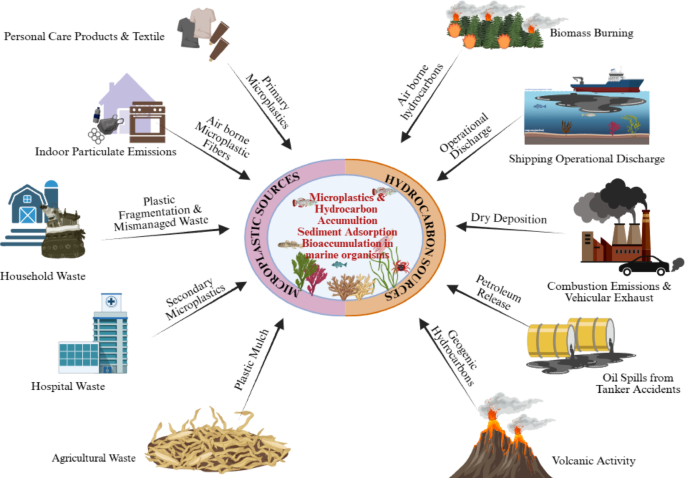
Marine bacteria and fungi: the hidden treasure of oceans in the biodegradation of microplastics and hydrocarbons integrated with omics technologies
Marine microorganisms play a crucial role in maintaining oceanic ecosystem stability by mediating essential biogeochemical...
Archives Of Toxicology
comment
0
thumb_up
0
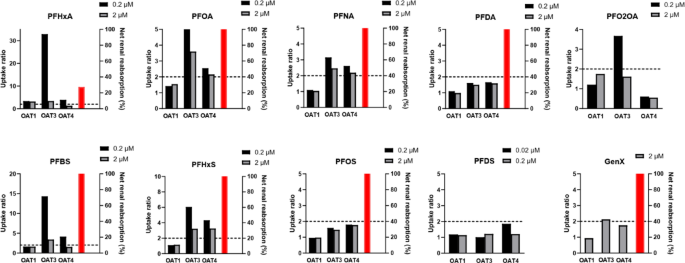
Comparative in vitro study of structure related uptake of ten perfluoroalkyl substances by human and rat renal transporters
Understanding the renal mechanisms underlying per- and polyfluoroalkyl substances (PFASs) elimination is critical to expla...
Archives Of Toxicology
comment
0
thumb_up
0
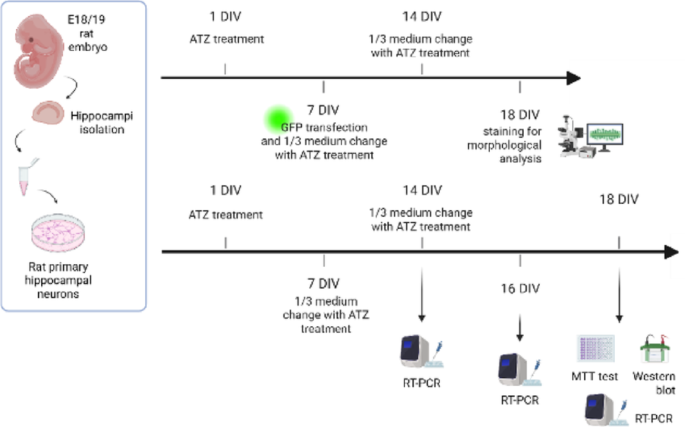
Developmental neurotoxicity of atrazine: decreased synaptic spine density and miRNA-driven GluN2A downregulation in primary hippocampal neurons
Atrazine (ATZ) is a triazine herbicide and a persistent environmental contaminant. Its use is associated with effects on t...
Archives Of Toxicology
comment
0
thumb_up
0
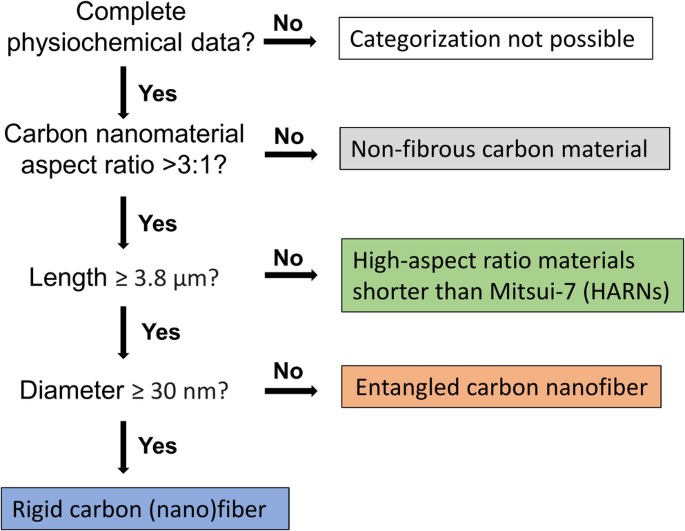
Involvement of lysosomal proteins in morphology-driven toxicity of (nano)fibers
Fiber morphology (length > 5 μm; respirable diameter < 3 _...
Archives Of Toxicology
comment
0
thumb_up
0
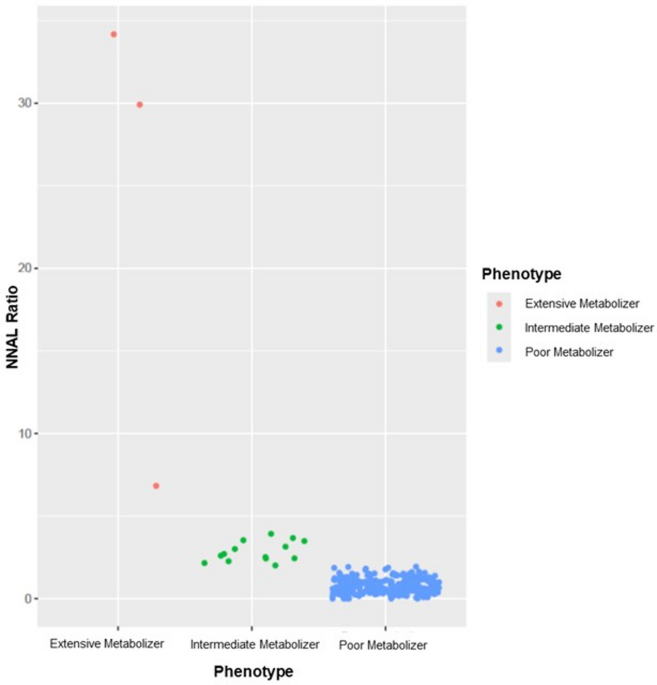
Ancestry informative genetic variants associated with tobacco metabolic and detoxification capacity measured by 4-(methylnitrosamino)-1-(3-pyridyl)-1-butanol (NNAL) among smokers
Tobacco use remains the leading preventable cause of cancer mortality worldwide, with marked disparities in cancer inciden...
Archives Of Toxicology
comment
0
thumb_up
0
Chalcones as multitarget modulators in non-small cell lung cancer: mechanistic insights and therapeutic perspectives
Non-small cell lung cancer (NSCLC) remains the leading cause of cancer-related mortality worldwide, and the search for nov...
Archives Of Toxicology
comment
0
thumb_up
0
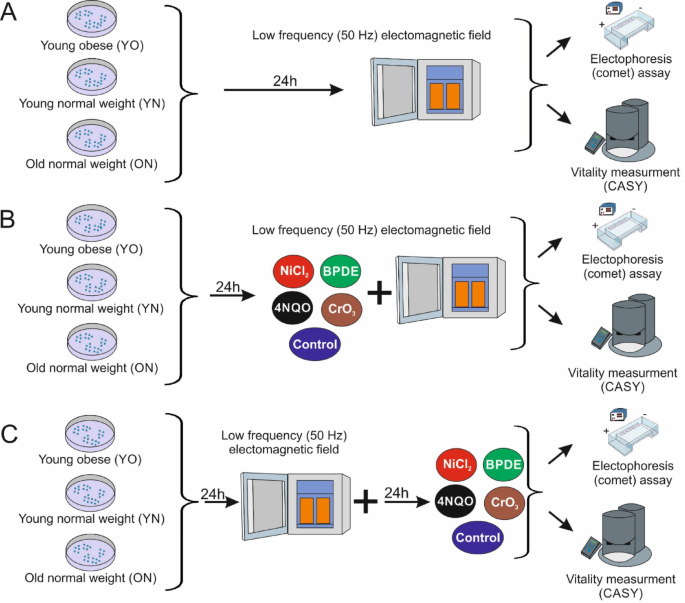
Impact of low-frequency electromagnetic fields on DNA instability caused by environmentally and occupationally relevant chemicals in lymphocytes of donors with different demographic characteristics
Aim of this study was to find out if demographic factors (age and body weight) have an impact on the sensitivity of periph...
Archives Of Toxicology
comment
0
thumb_up
0
AhR activation triggers the synergistic genotoxicity between benzo[a]pyrene and aflatoxin B1 in metabolic-competent HepaRP cells
Human dietary exposure involves multiple contaminants, raising concerns about “cocktail” effects ignored by si...
Archives Of Toxicology
comment
0
thumb_up
0
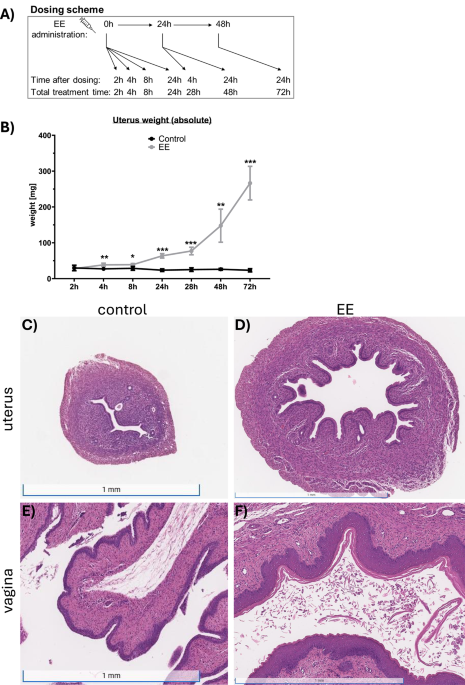
Molecular characterization of the uterotrophic assay: temporal gene expression changes in uterus and pituitary gland following ethinylestradiol
The uterotrophic bioassay is a recognized tool for assessing estrogenic activities of chemicals, relying on estrogen-induc...
Archives Of Toxicology
comment
0
thumb_up
0
Revisiting cannabinoid receptor-2: a key regulator of hepatic steatosis, inflammatory cascades, and fibrotic progression
Liver diseases constitute a major global health challenge, affecting over 25% of the world’s population, with metabo...
Archives Of Toxicology
comment
0
thumb_up
0
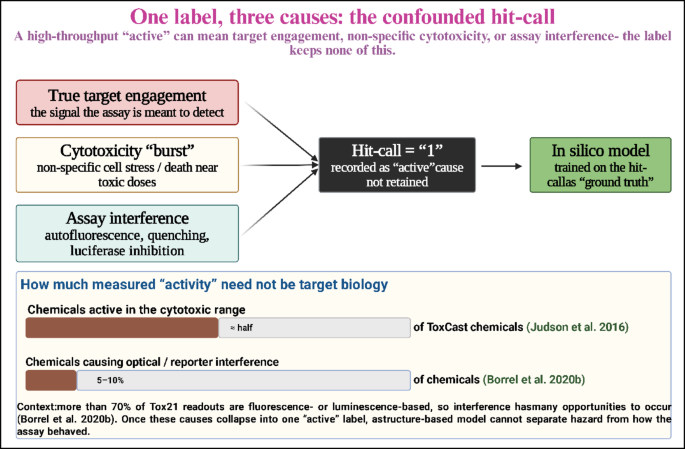
Learning the assay, not the hazard: how computational toxicity models inherit the artifacts of their high-throughput training data
High-throughput screening data have become the de facto ground truth for in silico toxicology. But a high-throughput ̶...
Archives Of Toxicology
comment
0
thumb_up
0
The aryl hydrocarbon receptor is downregulated in MASLD while its activation attenuates steatosis in human hepatocytes through an IGFBP1-associated pathway
Metabolic dysfunction–associated steatotic liver disease (MASLD) represents a growing global health concern; however...
Archives Of Toxicology
comment
0
thumb_up
0
How structural variations in synthetic cannabinoids affect their metabolism: A pilot study on the in vivo metabolism of 8 synthetic cannabinoid receptor agonists
The structural diversity and continuous emergence of synthetic cannabinoid receptor agonists (SCRAs) pose an important cha...
Archives Of Toxicology
comment
0
thumb_up
0
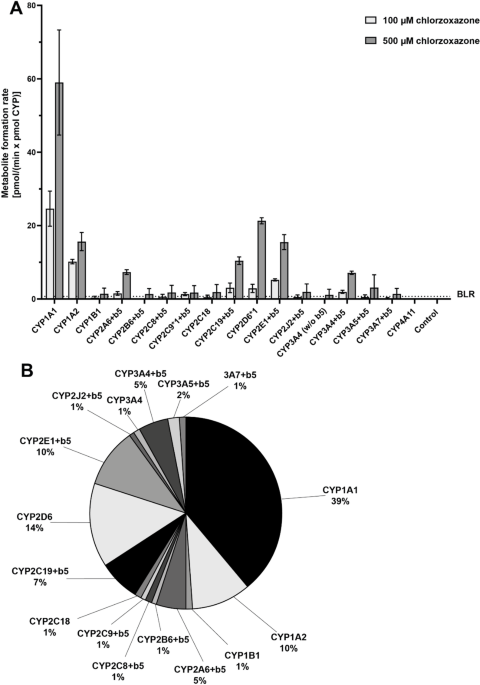
Challenging the specificity of chlorzoxazone and 4-nitrophenol as marker substrates for CYP2E1 activity in Supersomes™
Cytochrome P450 2E1 (CYP2E1) plays a pivotal role in the metabolism and detoxification of low molecular-weight xenobiotics...
Archives Of Toxicology
comment
0
thumb_up
0
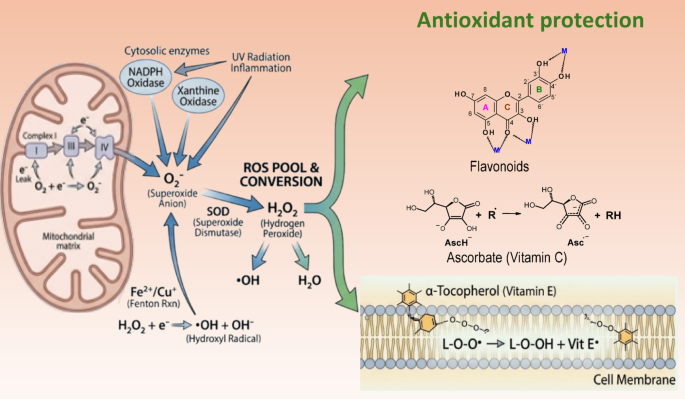
Oxidative stress and inflammation in neurodegenerative disorders
The brain’s consumption of approximately 20% of the body’s oxygen contributes to oxidative stress, a significa...
Archives Of Toxicology
comment
0
thumb_up
0
Cardiosim-Tox: an interpretable multitask deep learning QSAR platform with multimodal feature fusion for predicting hERG, Cav1.2, and Nav1.5 blockade risk and potency
Drug-induced cardiotoxicity, mainly driven by cardiac ion-channel blockade, remains a leading cause of drug attrition and ...
Archives Of Toxicology
comment
0
thumb_up
0
Toxic in vitro effects of flavoured-air inhalers containing essential oils in differentiated human nasal epithelial cells at air–liquid interface
Flavoured-air inhalers containing essential oils are marketed as safe, natural alternatives to smoking and vaping, yet the...
Archives Of Toxicology
comment
0
thumb_up
0
Exploring the potential of liver microphysiological systems of varied configurations to model cholestatic chemical effects
Human in vitro liver tissue models have evolved to maintain hallmarks of hepatocellular function for extended periods with...
Archives Of Toxicology
comment
0
thumb_up
0
Scorpion venom as a molecular treasure: emerging bioactive compounds and translational therapeutic insights
Scorpion venom contains a diverse array of bioactive compounds, including peptides, proteins, enzymes, and alkaloids, whic...
Archives Of Toxicology
comment
0
thumb_up
0
3,3'-Dichlorobiphenyl (PCB 11) alters the hepatic expression of cytochrome P450 enzymes in the liver of mouse dams exposed orally during pregnancy and lactation
Healthy maternal metabolism is critical during pregnancy and lactation to support fetal development and protect against en...
Archives Of Toxicology
comment
0
thumb_up
0
Mechanism of liver fibrosis induced by life-long triclosan exposure in offspring rats: an adverse outcome pathway framework validated by in vivo and in vitro experiments
Triclosan (TCS), a broad-spectrum lipophilic antiseptic, is frequently found in household and healthcare supplies. Its inc...
Archives Of Toxicology
comment
0
thumb_up
0
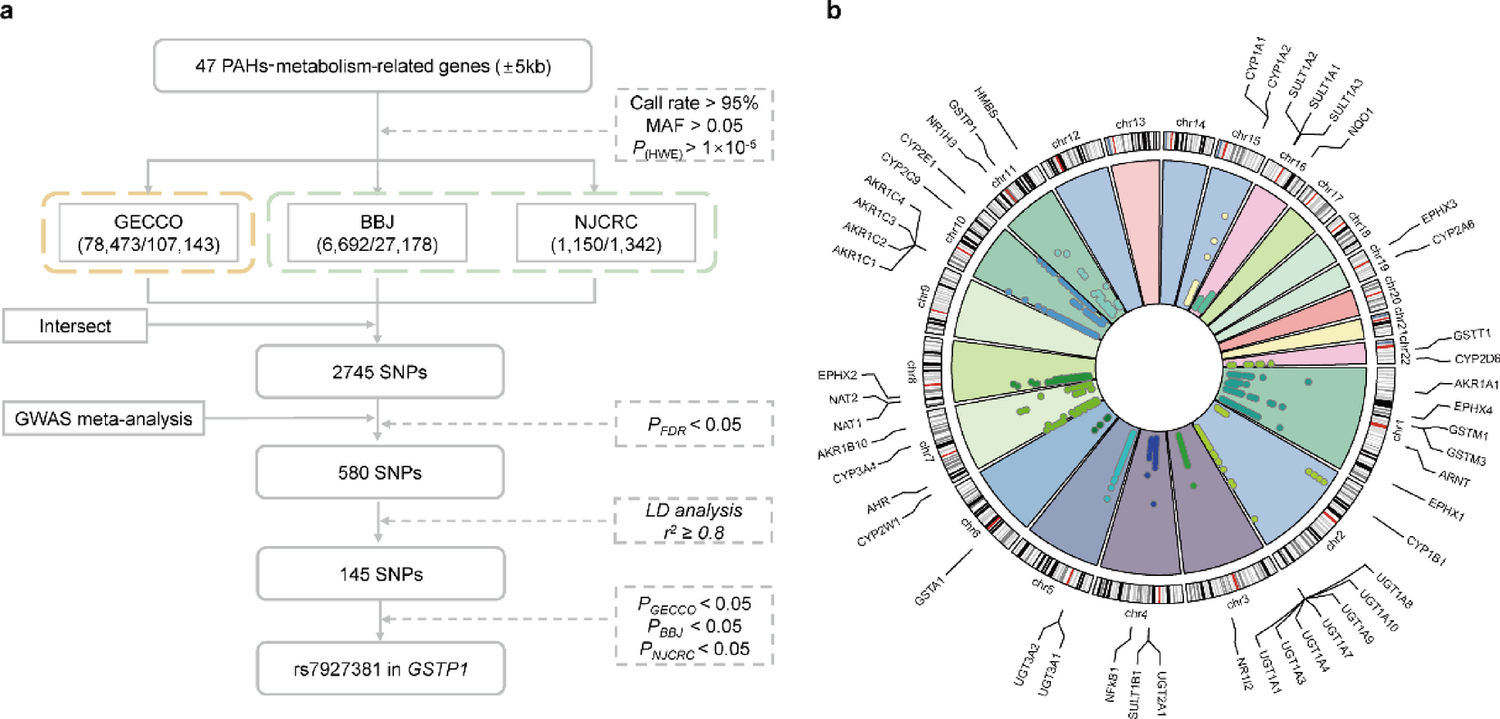
Cross-ancestry meta-analysis identifies a variant in the polycyclic aromatic hydrocarbons metabolism-related pathway contributing to colorectal cancer susceptibility
Unhealthy diets (e.g., higher red meat consumption) and tobacco exposure are major risk factors for colorectal cancer (CRC...
Archives Of Toxicology
comment
0
thumb_up
0
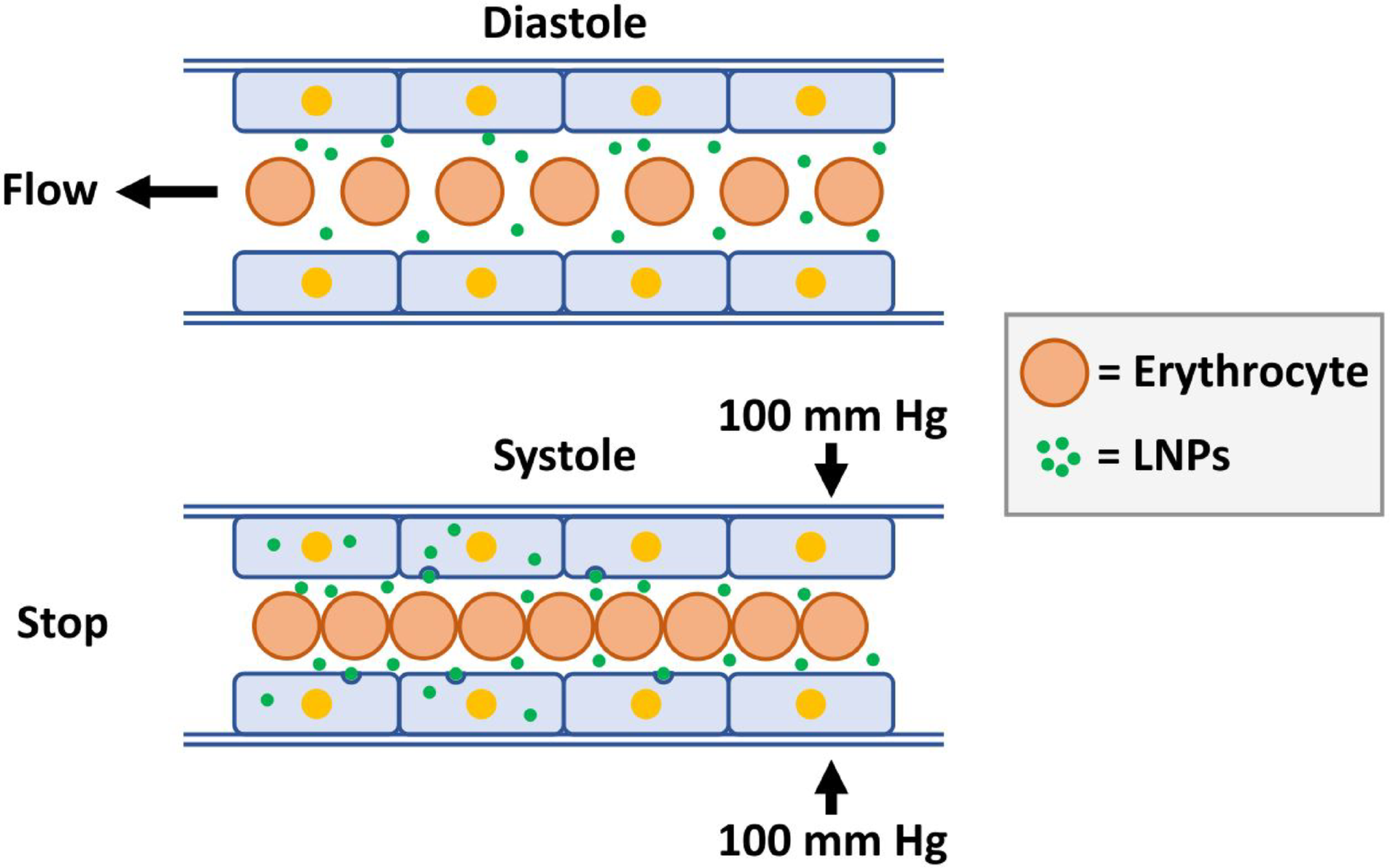
SARS-CoV-2 mRNA vaccines: unresolved mechanisms of myocardial damage
Myopericarditis requiring emergency care or hospitalization after COVID-19 mRNA vaccination occurs most frequently in adol...
Archives Of Toxicology
comment
0
thumb_up
0
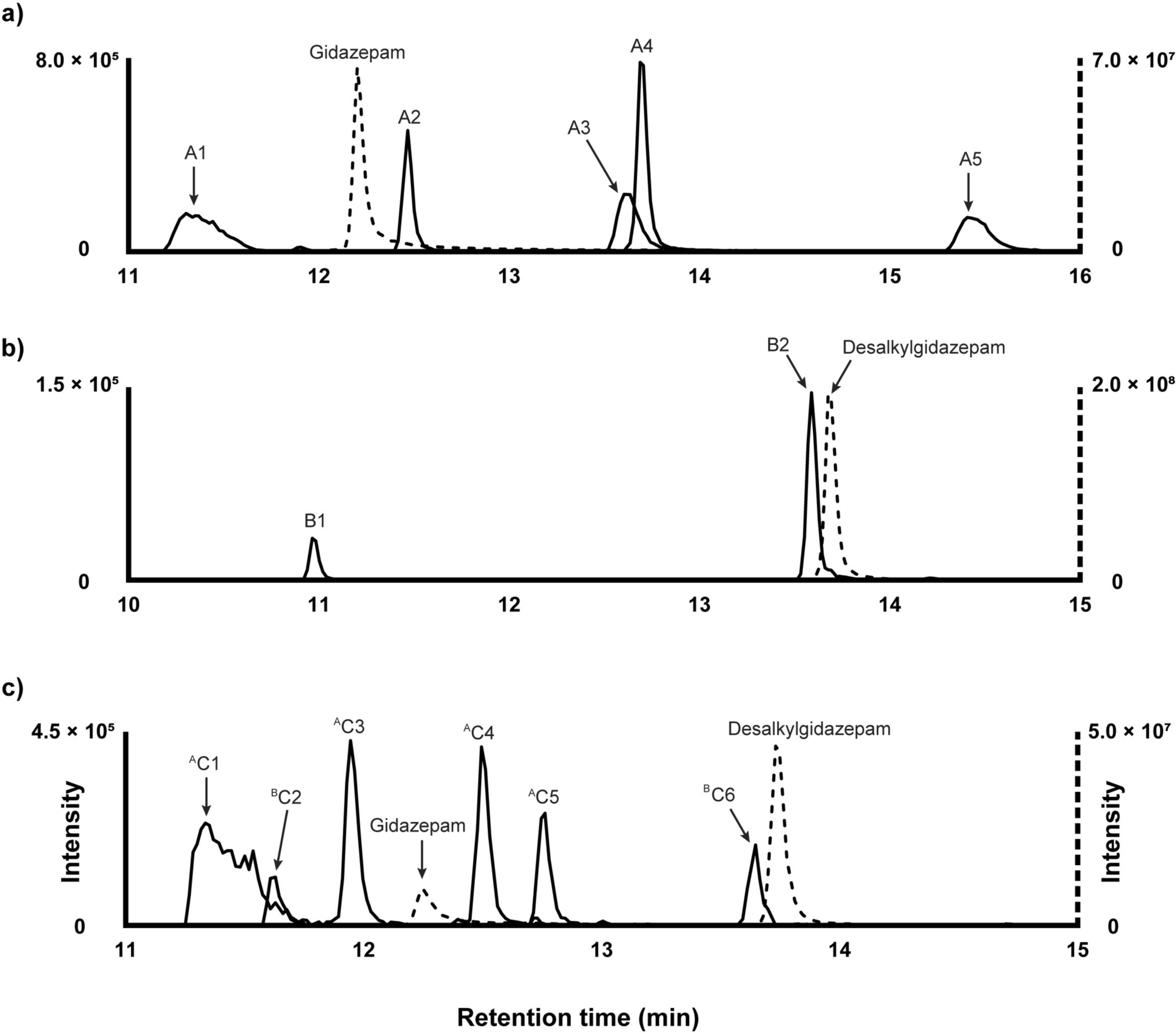
Insights into the human metabolism and in silico receptor activity of gidazepam and desalkylgidazepam
Desalkylgidazepam, an active gidazepam metabolite, first appeared on the illicit drug market in 2022 and has been detected...
Archives Of Toxicology
comment
0
thumb_up
0
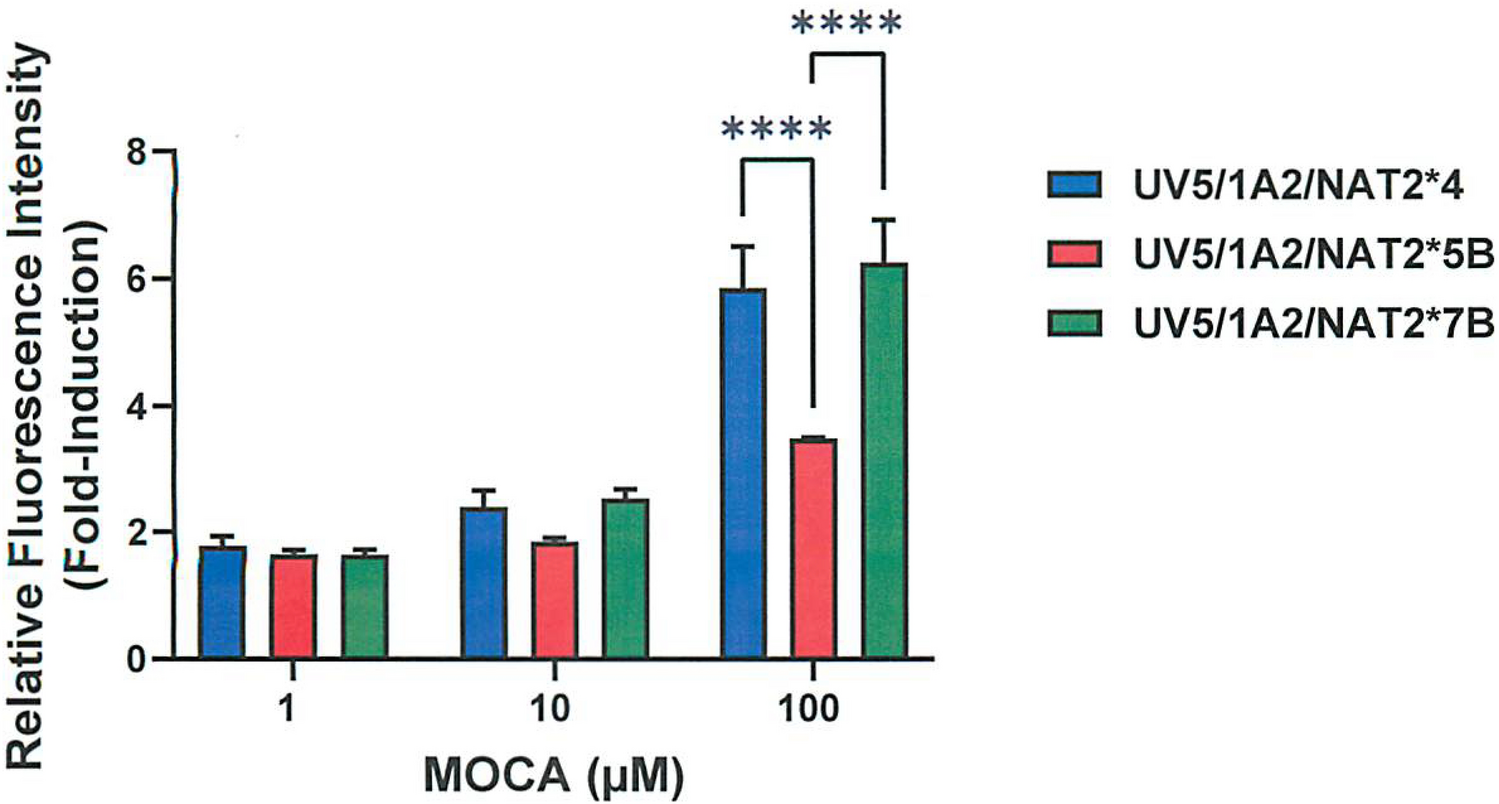
Correction: Effect of ‑acetyltransferase 2 genetic polymorphism on 4,4′‑methylenebis(2‑chloroaniline)‑induced genotoxicity and oxidative stress
Cite this articleHabil, M.R., Salazar‑González, R.A., Doll, M.A. et al. Correction: Effect of N‑acetyltransferase 2 geneti...
Archives Of Toxicology
comment
0
thumb_up
0
Toxicological profiling of venoms from ten major Chinese snakes: a mass spectrometry-based proteomic and multiroute assessment
Snake envenomation, a neglected tropical disease, presents complex and species-dependent systemic pathophysiology. Here, w...
Archives Of Toxicology
comment
0
thumb_up
0
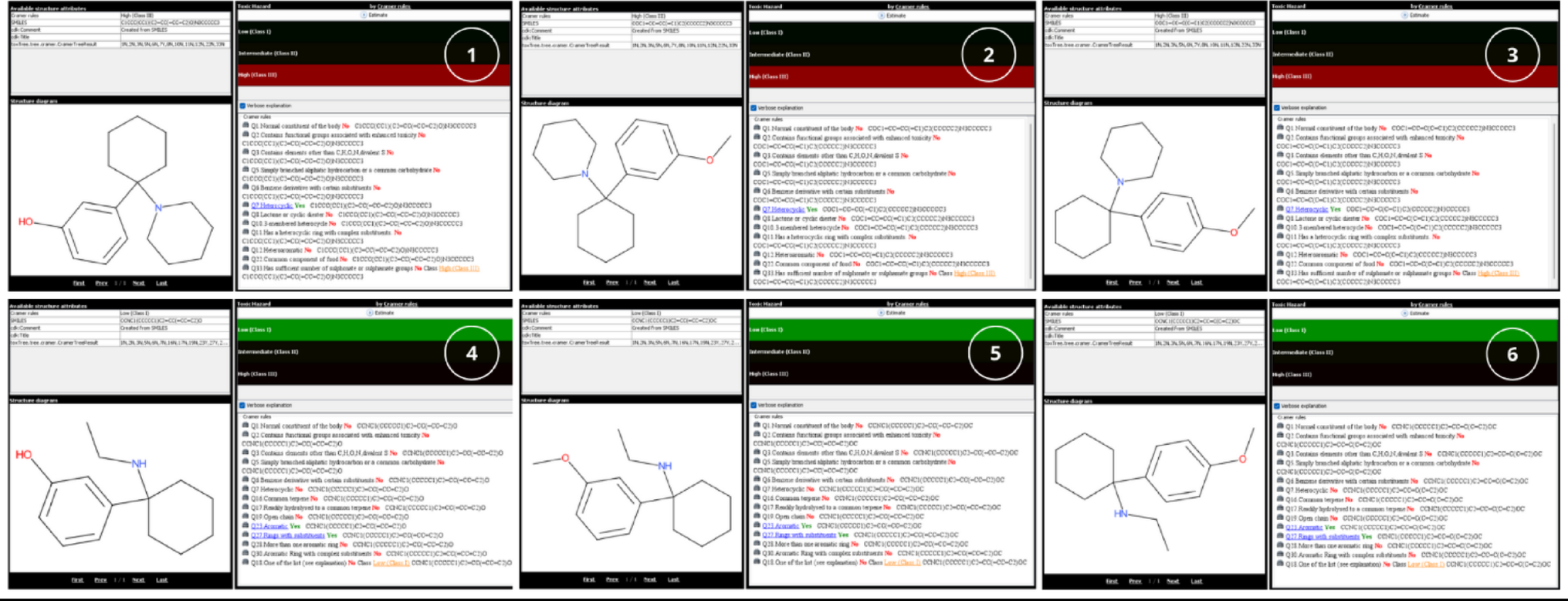
Qualitative and quantitative in silico toxicity profiling of “angel dust”: phencyclidine (PCP) analogues as new psychoactive substances (3-HO-PCP, 3-MeO-PCP, 4-MeO-PCP, 3-HO-PCE, 3-MeO-PCE, 4-MeO-PCE)
Phencyclidine (PCP), historically known as “angel dust,” and its analogues (3-HO-PCP, 3-MeO-PCP, 4-MeO-PCP, 3-...
Archives Of Toxicology
comment
0
thumb_up
0
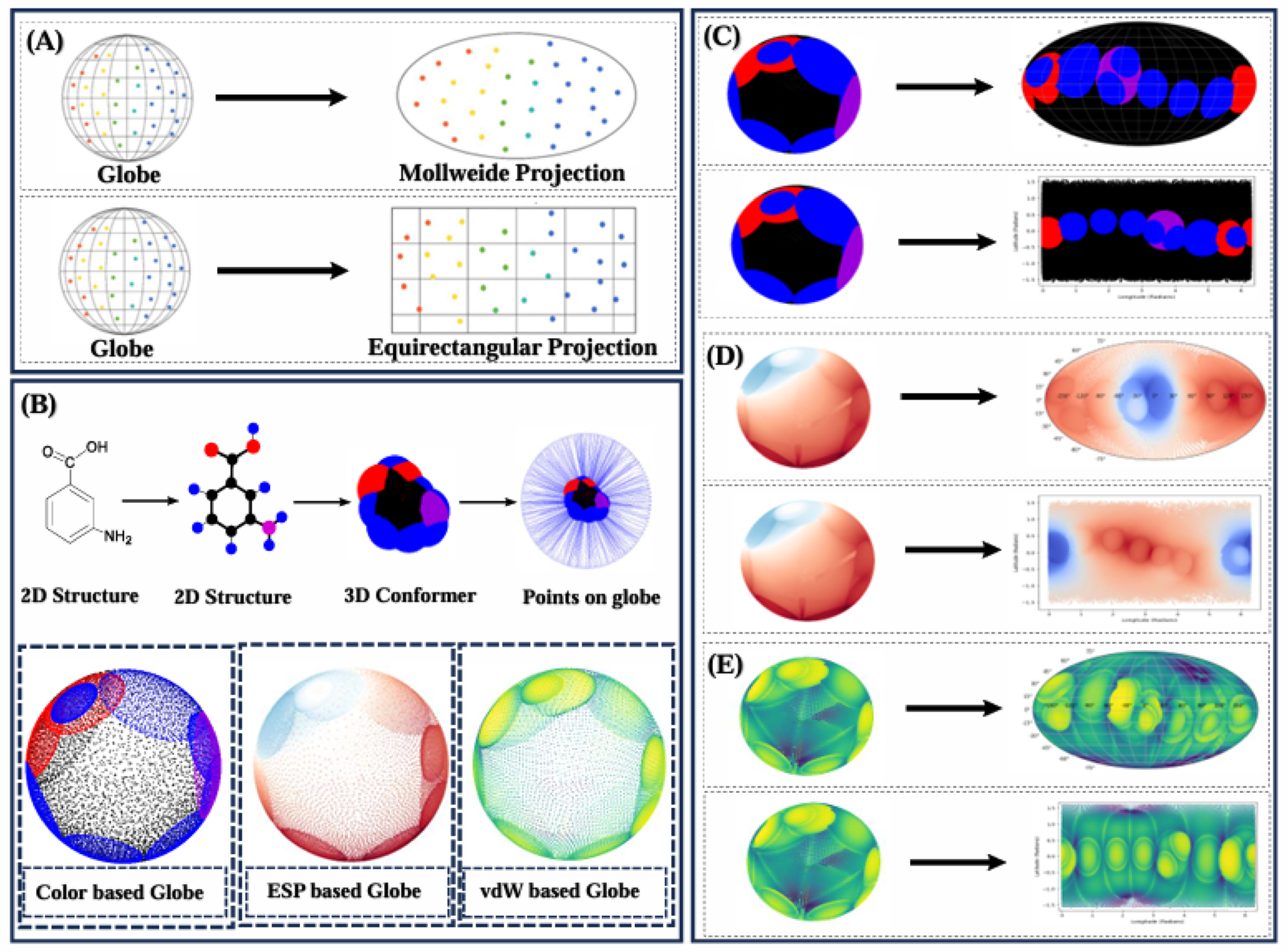
Projection-based molecular feature maps for CNN-driven nephrotoxicity prediction
The development of reliable predictive models for nephrotoxic agents remains a critical challenge in drug development, giv...
Archives Of Toxicology
comment
0
thumb_up
0
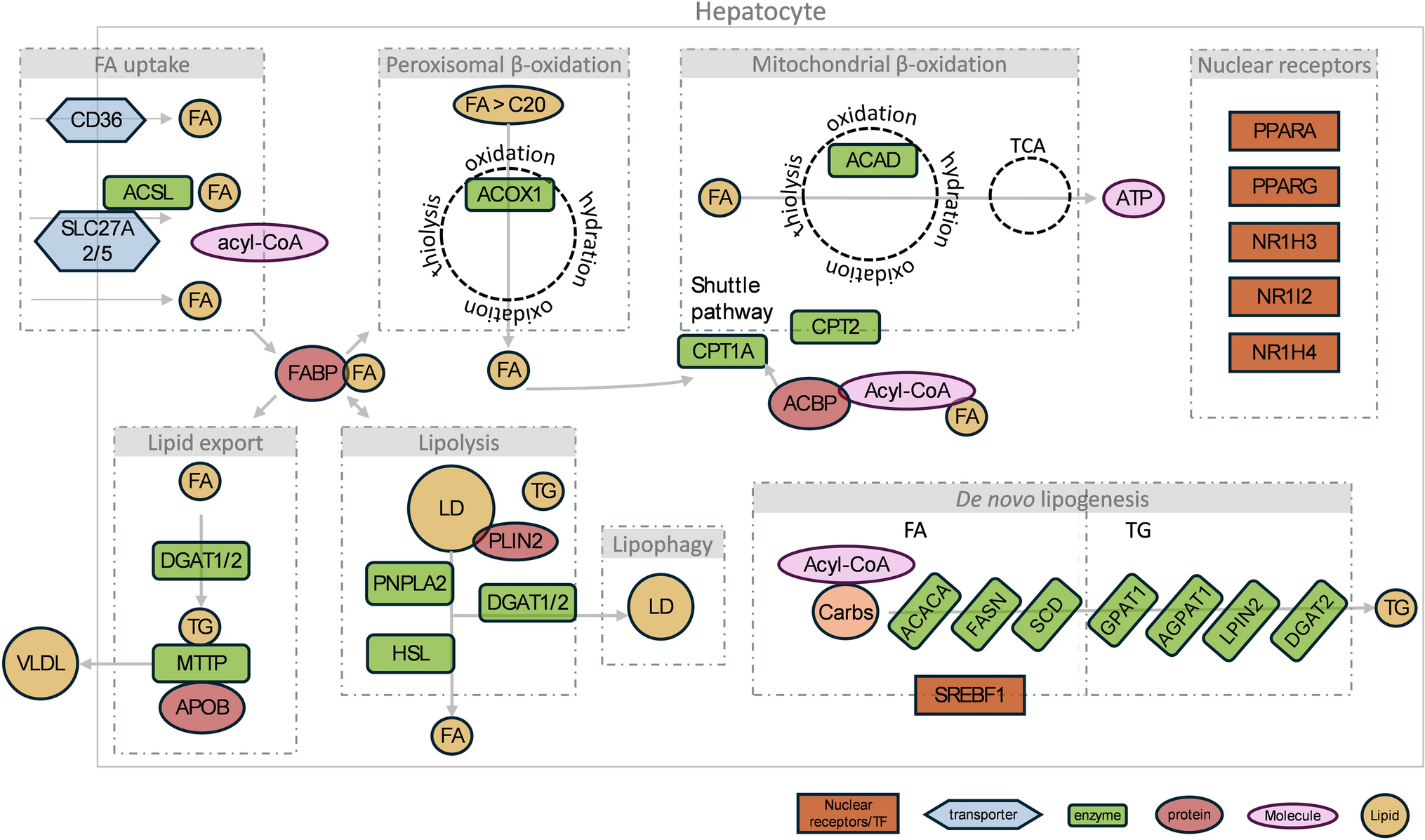
Mechanism-based new approach methodologies for in vitro detection of chemical-induced liver steatosis
Liver steatosis resulting from chemical exposure is a growing clinical concern, pointing to the need for early detection i...
Archives Of Toxicology
comment
0
thumb_up
0
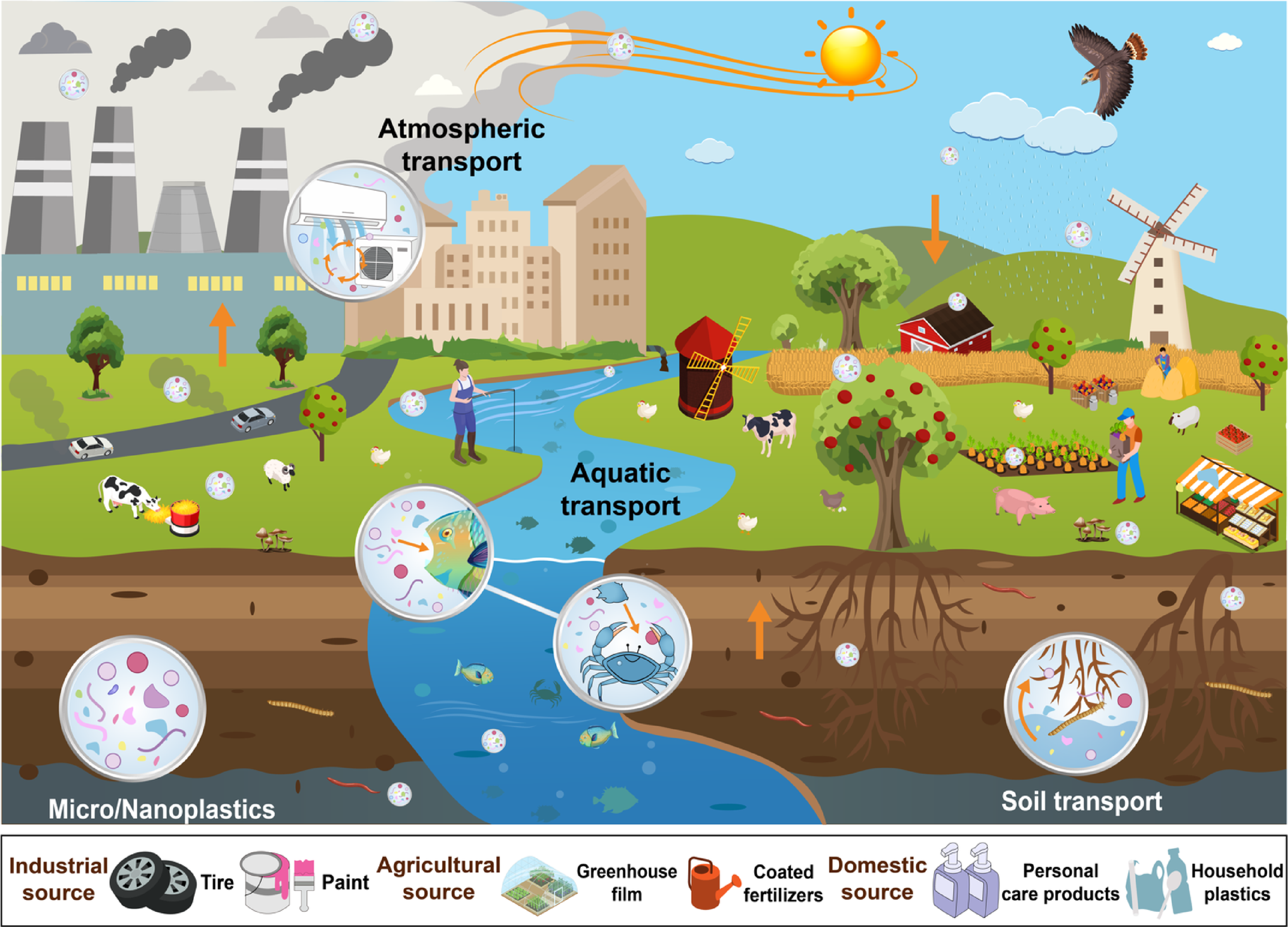
Health impacts of micro- and nanoplastics: key influencing factors, limitations, and future perspectives
Micro- and nanoplastics (MNPs) are emerging environmental threats, with increasing evidence of their profound ecotoxicolog...
Archives Of Toxicology
comment
0
thumb_up
0
Load More
Modal title
×
Modal title
×
Share
Login
Global News and Health Forum
Join Now!
Member Login
Remember me
Forgot password?
Or using
Linkedin

![AhR activation triggers the synergistic genotoxicity between benzo[a]pyrene and aflatoxin B1 in metabolic-competent HepaRP cells](https://3med.mdlalibrary.com/uploads/livenews/meta_image/1043439/8d45a1daef1095974e520f29874305e4.jpg)