×
Close
Sign Up
Login
Home
SCI Abstract
Library D
Community
Events
Events & Partner
WeMed
Media Partners
Educational Partner
User Tools
FAQ/USER GUIDE
Language
English
中文/ Chinese
Contact Us
×
Close
mdla_1
mdla_2
mdla_3
mdla_4
mdla_5
mdla_6
Categories
Research/Laboratory Medicine & Medical Technology
3700
Global Medical University
4791
Allergy
1414
Anatomy & Morphology
1316
Andrology
282
Anesthesia & Intensive Care
1209
Anesthesiology
5005
Audiology & Speech-Language Pathology
248
Behavioral Sciences
90
Biochemical Research Methods
6628
Biochemistry & Molecular Biology
27760
Biodiversity Conservation
289
Biology
7786
Biophysics
7752
Biotechnology & Applied Microbiology
7730
Cardiac & Cardiovascular Systems
28915
Cardiovascular & Respiratory Systems
1185
Cell & Tissue Engineering
661
Cell Biology
10078
Chemistry, Analytical
3566
Chemistry, Applied
10269
Chemistry, Medicinal
8098
Chemistry, Multidisciplinary
16800
Clinical Immunology & Infectious Disease
371
Clinical Medicine
7263
Clinical Neurology
15287
Clinical Psychology & Psychiatry
1209
Critical Care Medicine
2972
Dentistry, Oral Surgery & Medicine
11972
Dermatology
6083
Developmental Biology
6350
Ecology
563
Education, Scientific Disciplines
1849
Emergency Medicine
3711
Endocrinology, Metabolism & Nutrition
22382
Engineering, Biomedical
3531
Entomology
445
Environmental Medicine & Public Health
4293
Evolutionary Biology
243
Gastroenterology & Hepatology
10998
General & Internal Medicine
6442
Genetics & Heredity
13924
Geriatrics & Gerontology
4561
Gerontology
352
Health Care Sciences & Services
14671
Health Policy & Services
534
Hematology
4902
Immunology
23098
Infectious Diseases
12776
Integrative & Complementary Medicine
2808
Medical Ethics
1147
Medical Informatics
2119
Medical Laboratory Technology
357
Medicine, General & Internal
41094
Medicine, Legal
493
Medicine, Research & Experimental
16109
Microbiology
21677
Mycology
0
Nanoscience & Nanotechnology
4684
Neuroimaging
1256
Neurology
4002
Neurosciences
37195
Nursing
8365
Nutrition & Dietetics
7200
Obstetrics & Gynecology
7499
Oncology
47865
Ophthalmology
8948
Optics
3863
Orthopedics
10578
Orthopedics, Rehabilitation & Sports Medicine
1653
Otolaryngology
1369
Otorhinolaryngology
4359
Parasitology
1084
Pathology
4441
Pediatrics
19800
Peripheral Vascular Disease
4427
Pharmacology & Pharmacy
32203
Pharmacology/Toxicology
11392
Physiology
8135
Polymer Science
487
Primary Health Care
744
Psychiatry
17688
Psychology
4725
Psychology, Applied
100
Psychology, Biological
334
Psychology, Clinical
749
Psychology, Developmental
244
Psychology, Educational
139
Psychology, Experimental
147
Psychology, Mathematical
0
Psychology, Multidisciplinary
1590
Psychology, Psychoanalysis
26
Psychology, Social
108
Public Health & Health Care Science
1992
Public, Environmental & Occupational Health
25328
Quantum Science & Technology
0
Radiology, Nuclear Medicine & Imaging
11573
Radiology, Nuclear Medicine & Medical Imaging
7190
Rehabilitation
2624
Remote Sensing
0
Reproductive Biology
2670
Reproductive Medicine
1113
Respiratory System
6536
Rheumatology
5305
Social Sciences, Biomedical
1062
Substance Abuse
2469
Surgery
31730
Toxicology
3967
Transplantation
774
Tropical Medicine
271
Urology & Nephrology
11711
Veterinary Sciences
27
Virology
2099
Zoology
0
Channels
INTERNATIONAL JOURNAL OF LEGAL MEDICINE
466
JCI INSIGHT
1149
ANNALS OF DIAGNOSTIC PATHOLOGY
360
JOURNAL OF CLINICAL PATHOLOGY
284
JOURNAL OF FORENSIC SCIENCES
151
TRIALS
1290
SCI Abstract
search
ALL
RECOMMENDED
+
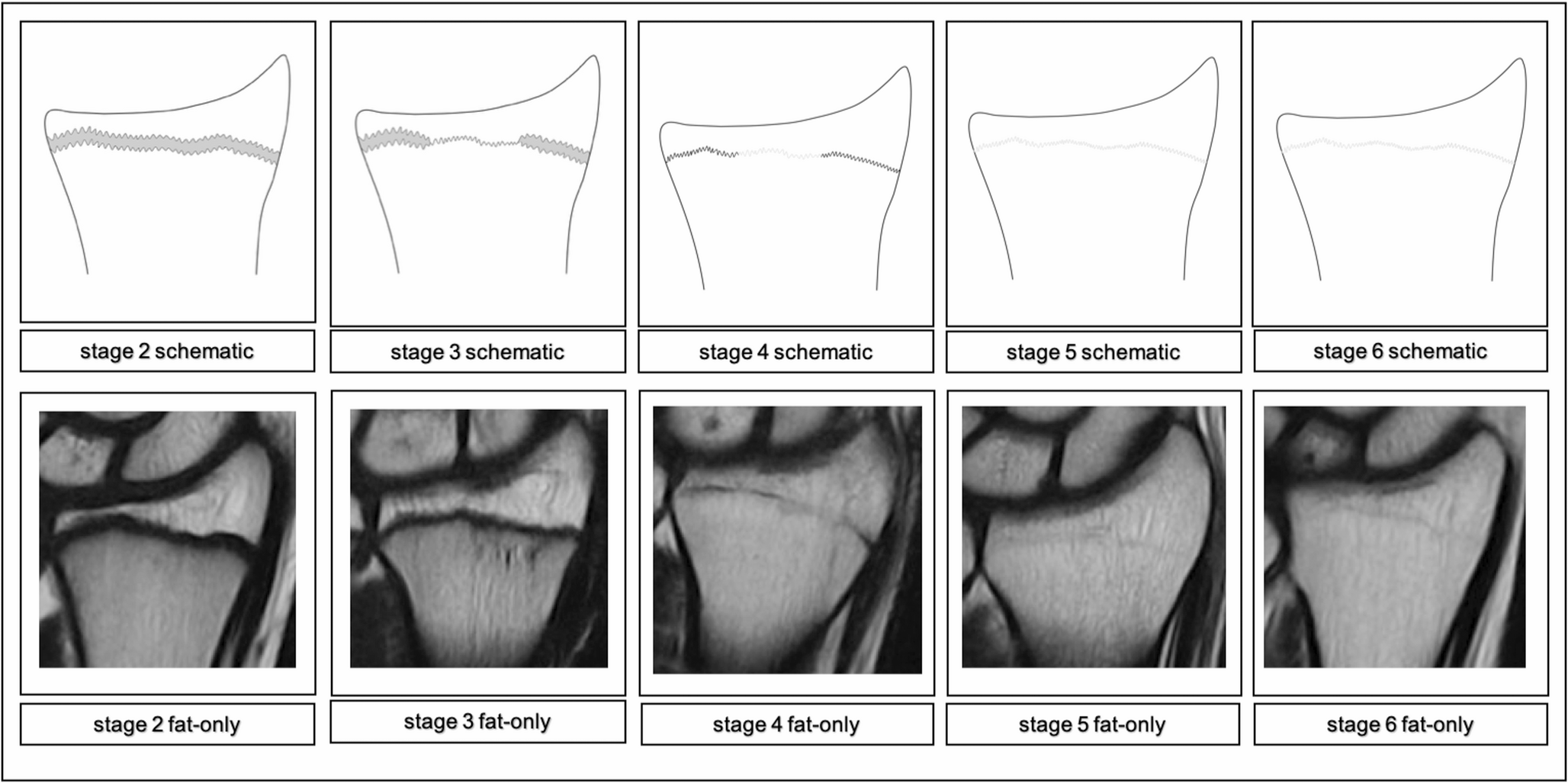
Forensic age estimation in the living by 0.31 Tesla low-field MRI of the distal radius
Examination of the radius’ distal epiphysis by means of low-field MRI in order to find a reliable method to correctl...
International Journal Of Legal Medicine
comment
0
thumb_up
0
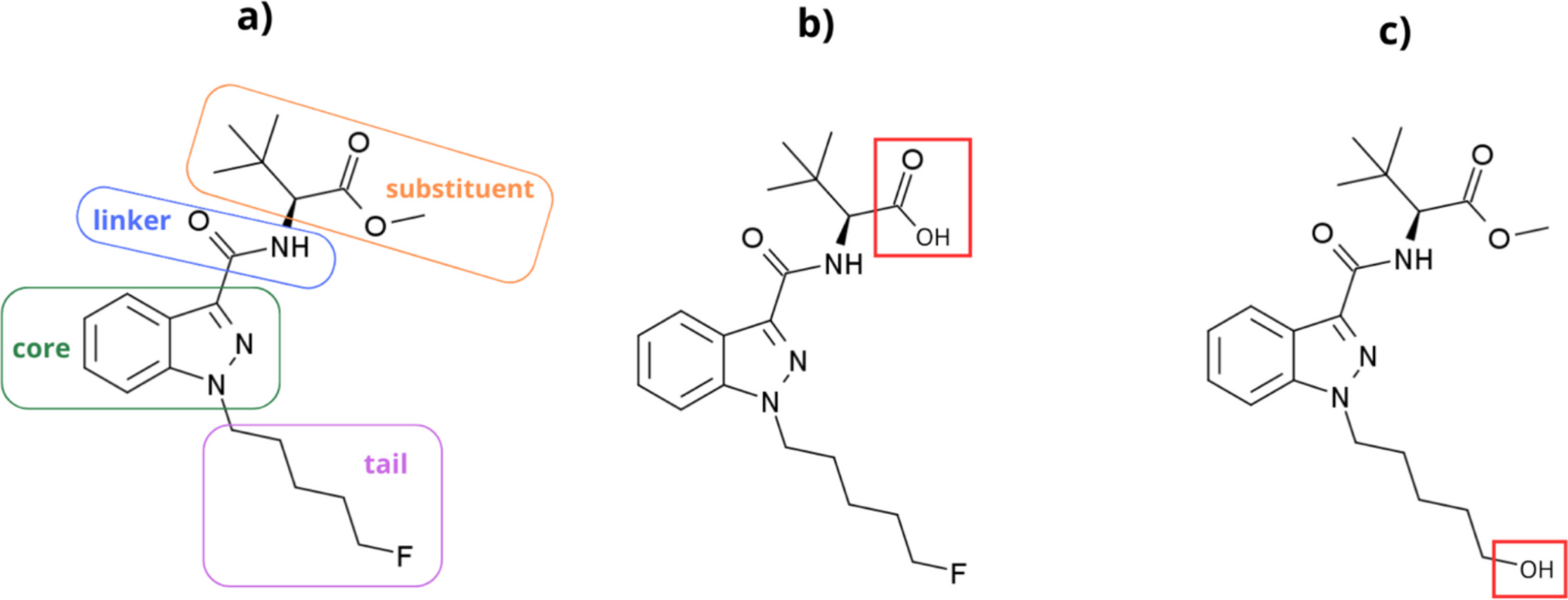
Entomological consequences and toxicological detection of synthetic cannabinoid receptor agonists (SCRAs) in necrophagous larvae (Diptera: Calliphoridae)
Forensic entomologists estimate minimum post-mortem intervals (PMImin) by measuring the development of larvae on decomposi...
International Journal Of Legal Medicine
comment
0
thumb_up
0
Postmortem interval estimation through skeletal muscle protein degradation: a comprehensive review
Postmortem interval (PMI) estimation is a pivotal challenge in forensic science, and skeletal muscle protein degradation h...
International Journal Of Legal Medicine
comment
0
thumb_up
0
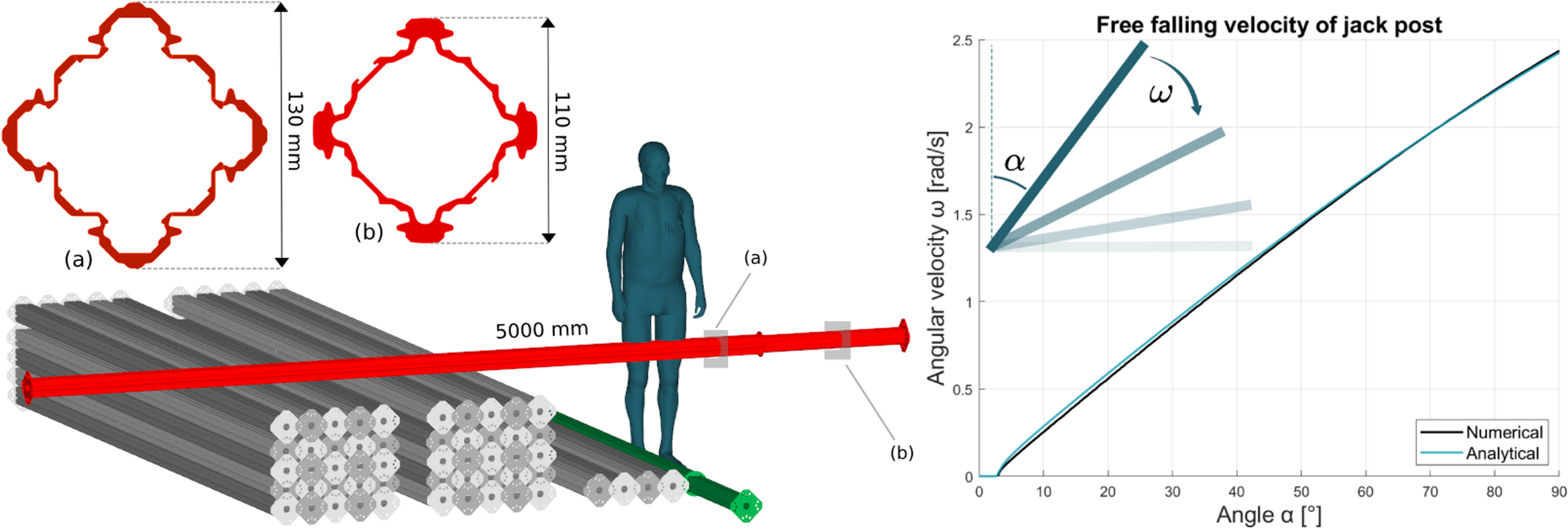
Can construction helmets save lives? Evidence from a biomechanical reconstruction of a work-related head trauma
Each year, 320 000 people die from occupational injuries. The construction sector is one of the most hazardous sectors, sh...
International Journal Of Legal Medicine
comment
0
thumb_up
0
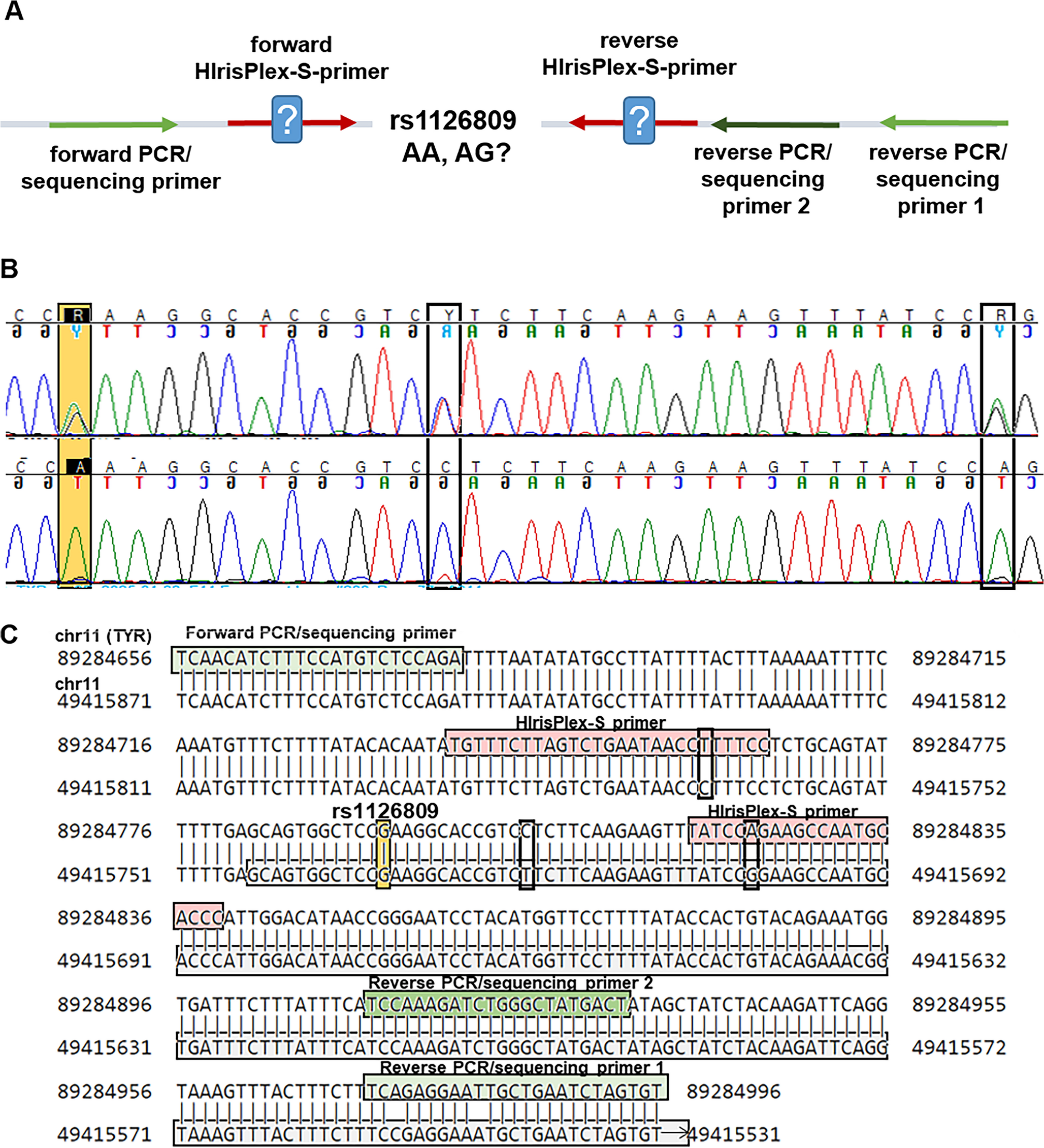
Technical reliability of genotyping SNPs for forensic DNA phenotyping using SNaPshot- and MPS-based assays
In recent years, several countries have undergone changes in their legal framework, now explicitly allowing the analysis o...
International Journal Of Legal Medicine
comment
0
thumb_up
0
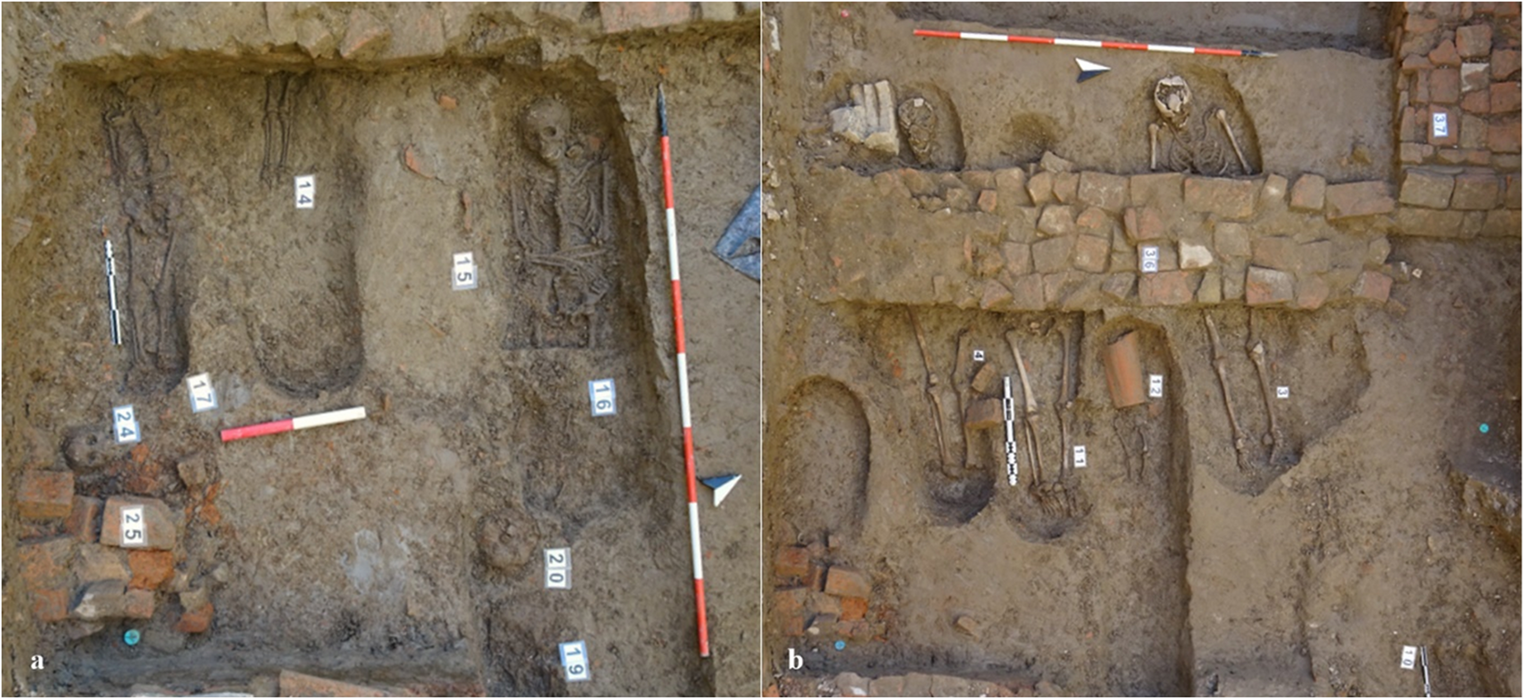
Overlapping application of the forensic DNA analysis workflow to buried late-medieval human skeletal remains
Molecular analyses were conducted on skeletal remains discovered in a late medieval burial site beneath the former Convent...
International Journal Of Legal Medicine
comment
0
thumb_up
0
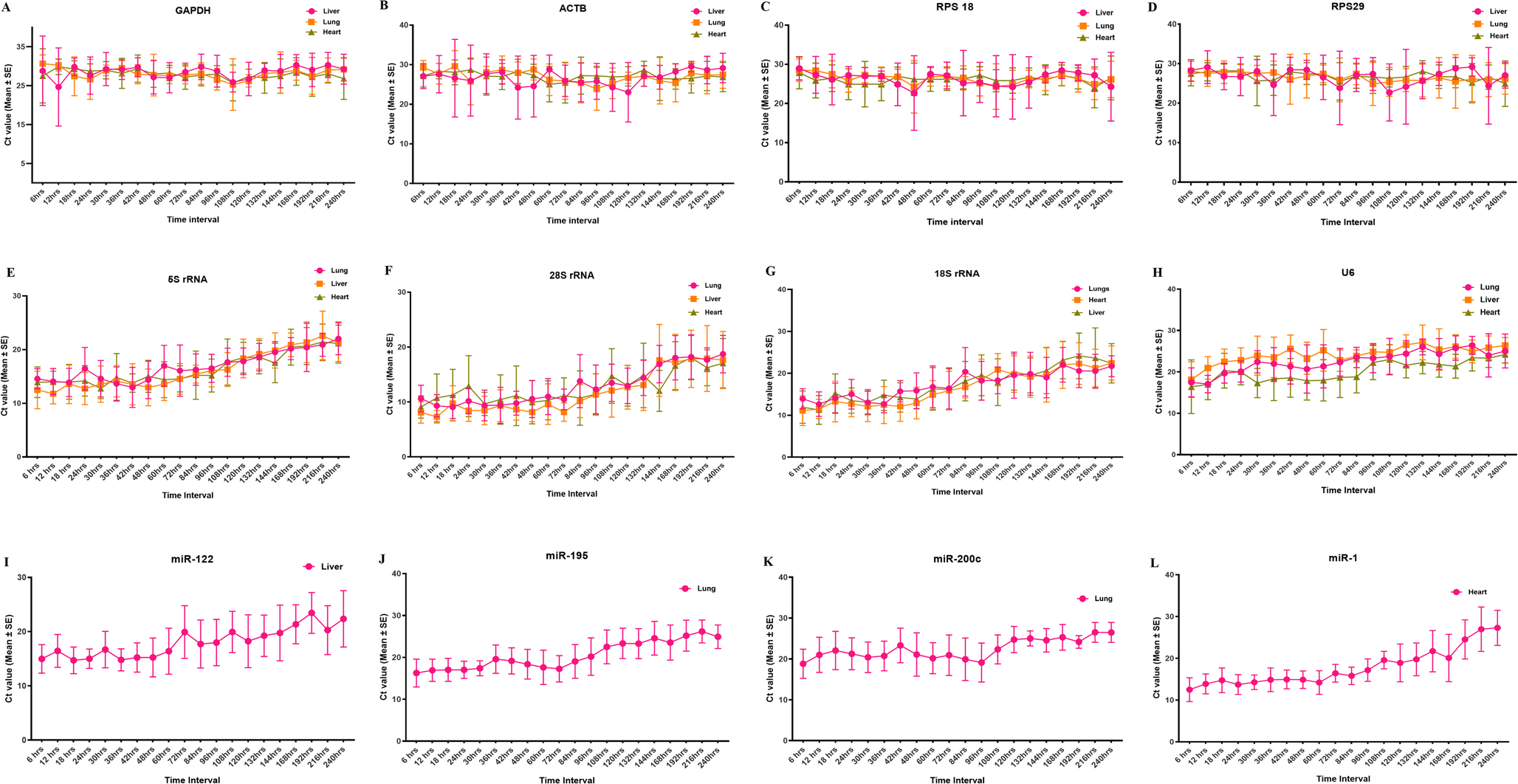
Molecular forensics: RNA degradation as a marker for postmortem interval determination
Determining the time since death (TSD) is crucial in forensic investigations, yet it remains a complex process influenced ...
International Journal Of Legal Medicine
comment
0
thumb_up
0
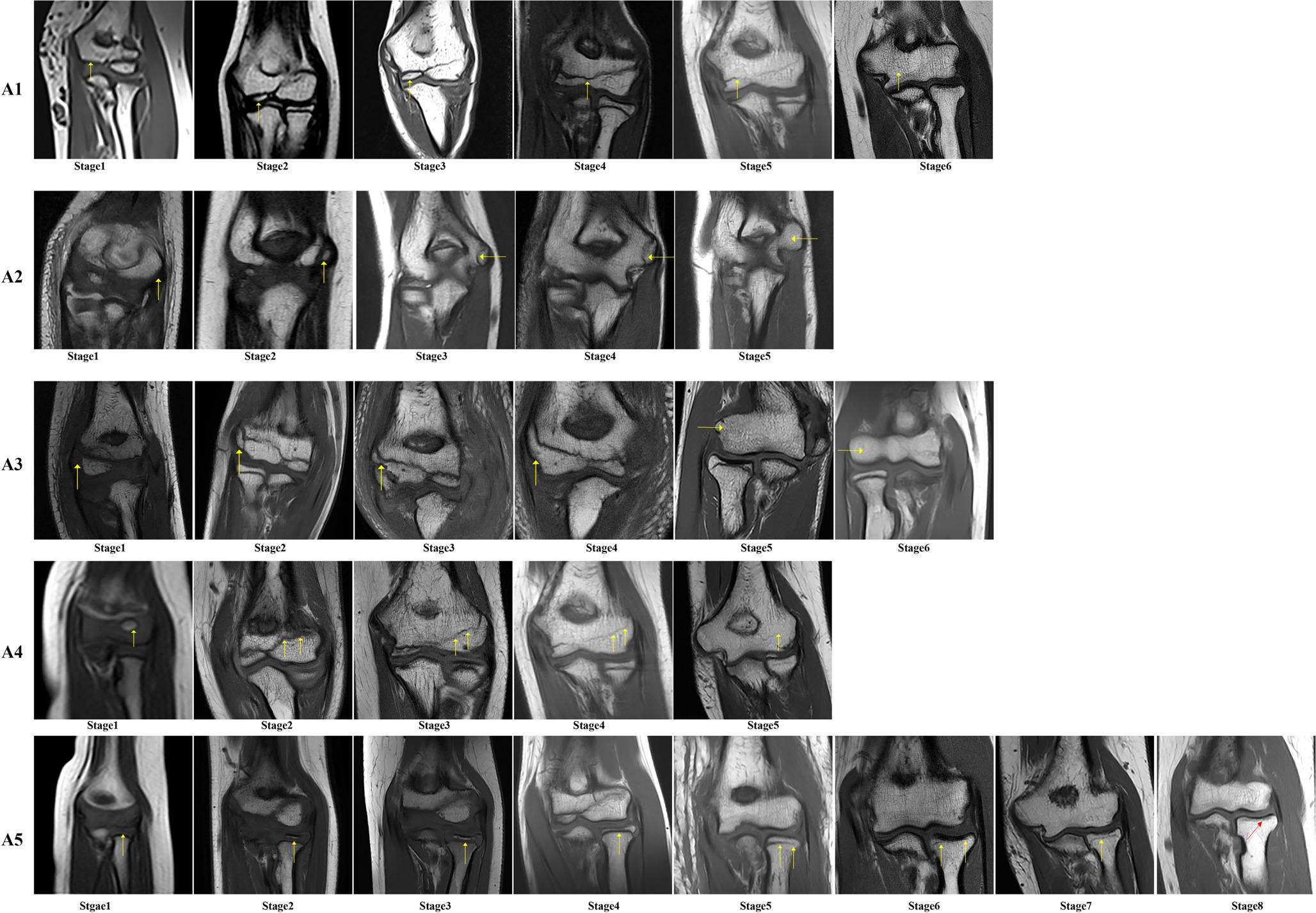
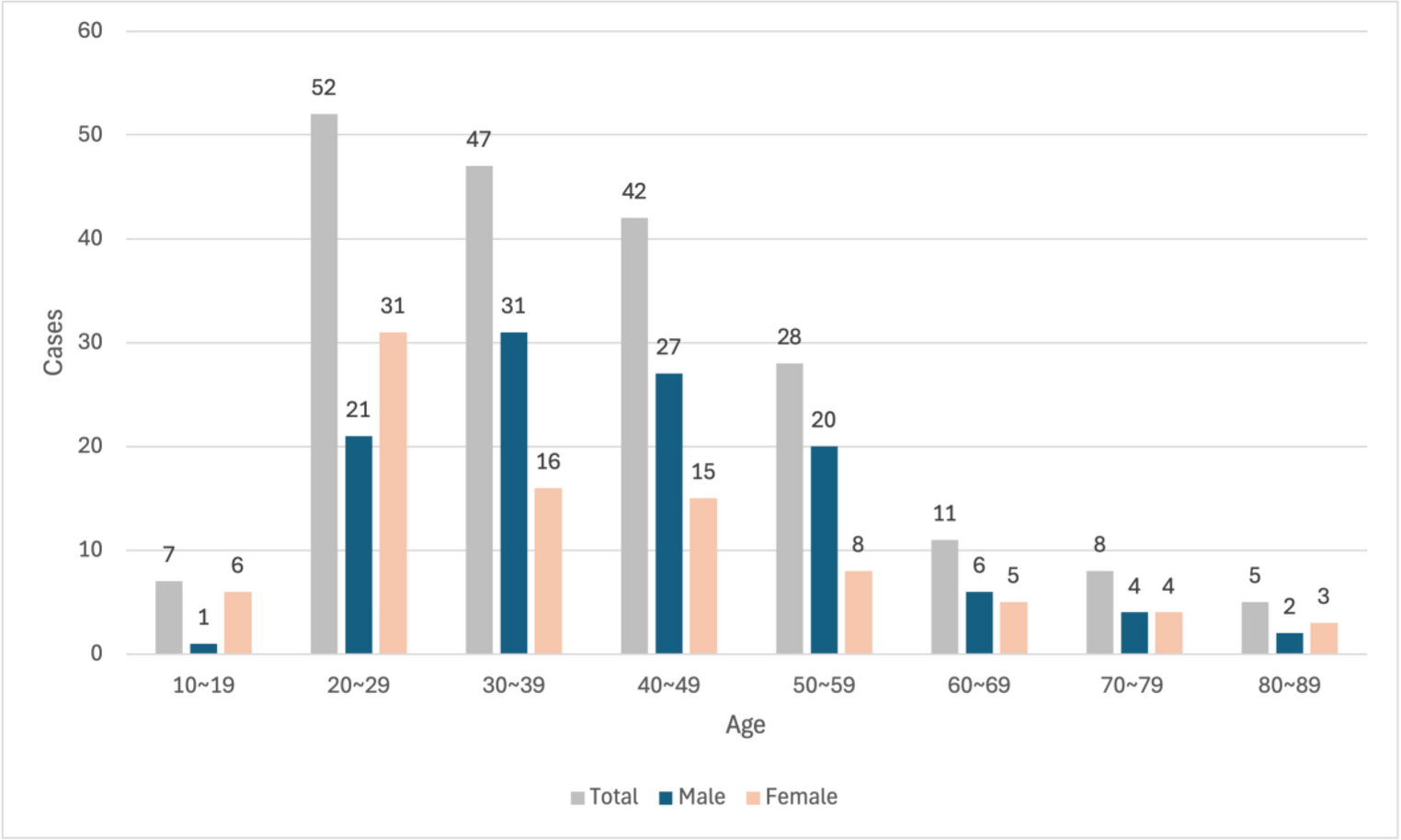
Forensic age estimation and legal age thresholds classification based on the elbow MRI and data mining in a Chinese population
This study developed and evaluated data mining models for age estimation and legal age thresholds classification based on ...
International Journal Of Legal Medicine
comment
0
thumb_up
0
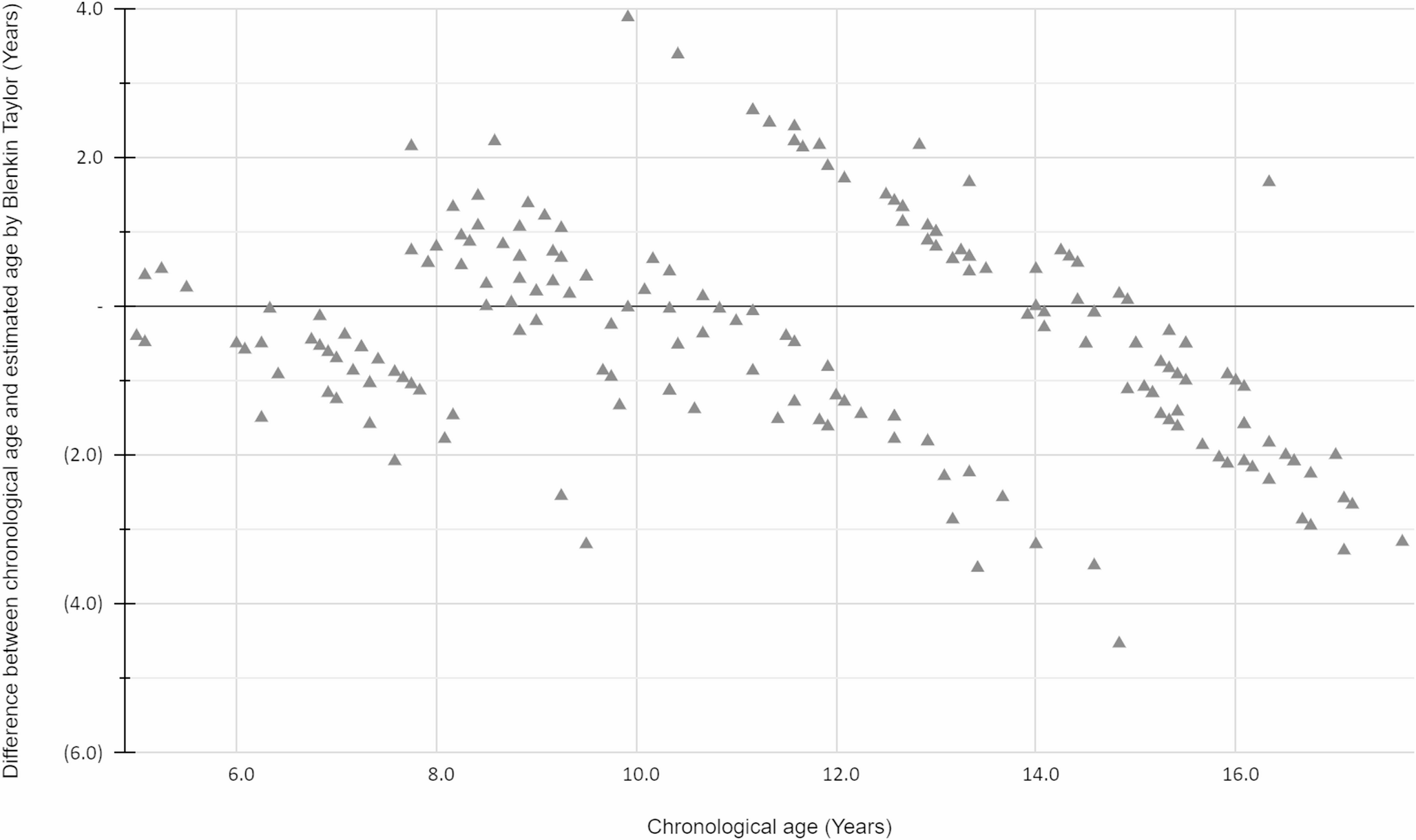
Validation and comparison of Blenkin Taylor Atlas and the London Atlas on an Australian population subset for dental age estimation
Individual dental age estimation systems provide essential information in law and forensic sciences for the living and dec...
International Journal Of Legal Medicine
comment
0
thumb_up
0
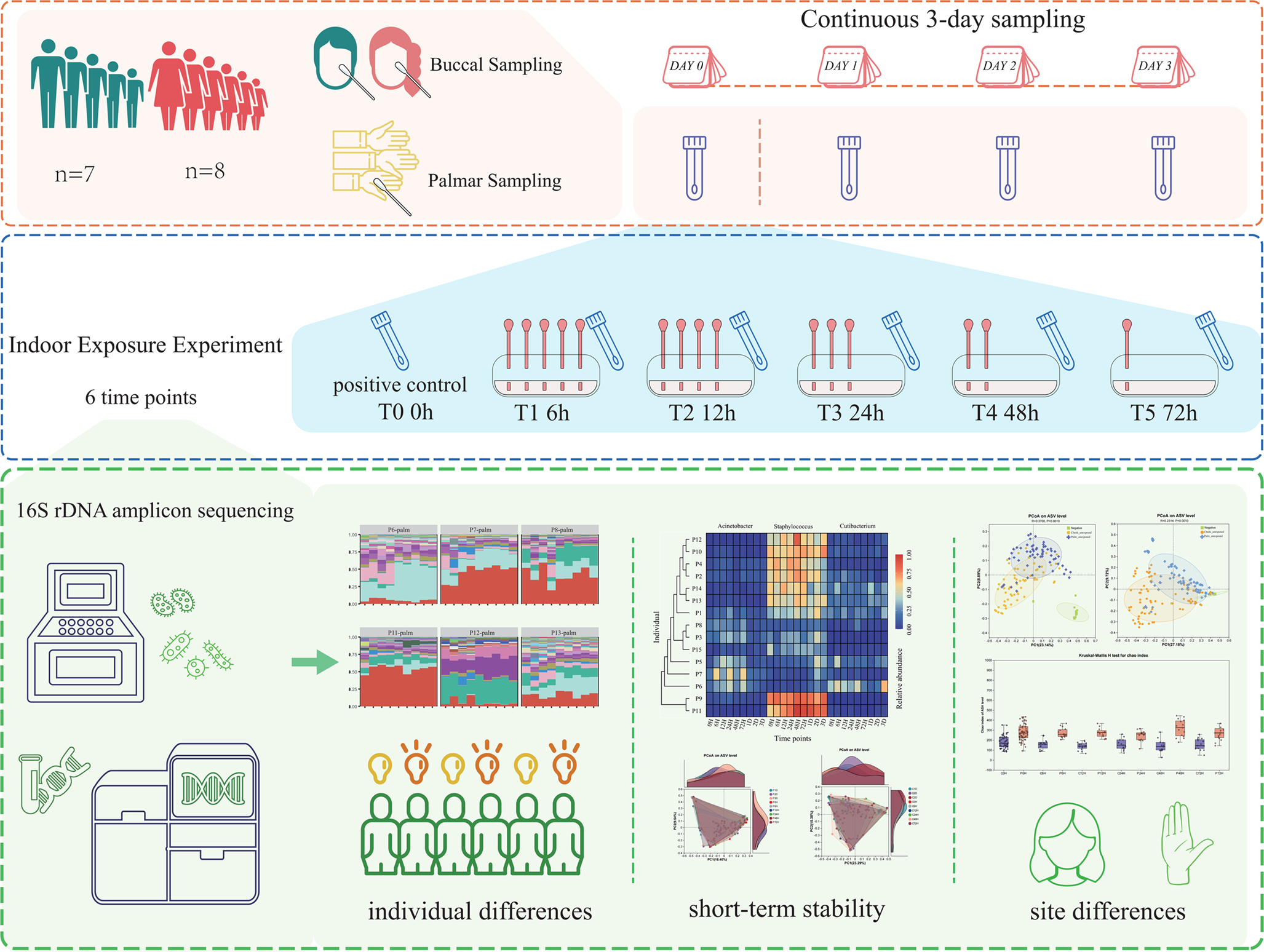
Stability of the skin microbiome during short-term in situ and in vitro conditions: Foundational support for the potential to trace skin sites and identify individuals
As the largest human organ, the skin frequently interacts with the environment and retains abundant microbial information,...
International Journal Of Legal Medicine
comment
0
thumb_up
0
Development of a novel method for estimating the missing mandible using three-dimensional homologous models
Skeletal remains are sometimes discovered with the mandible missing from the skull due to external factors such as environ...
International Journal Of Legal Medicine
comment
0
thumb_up
0
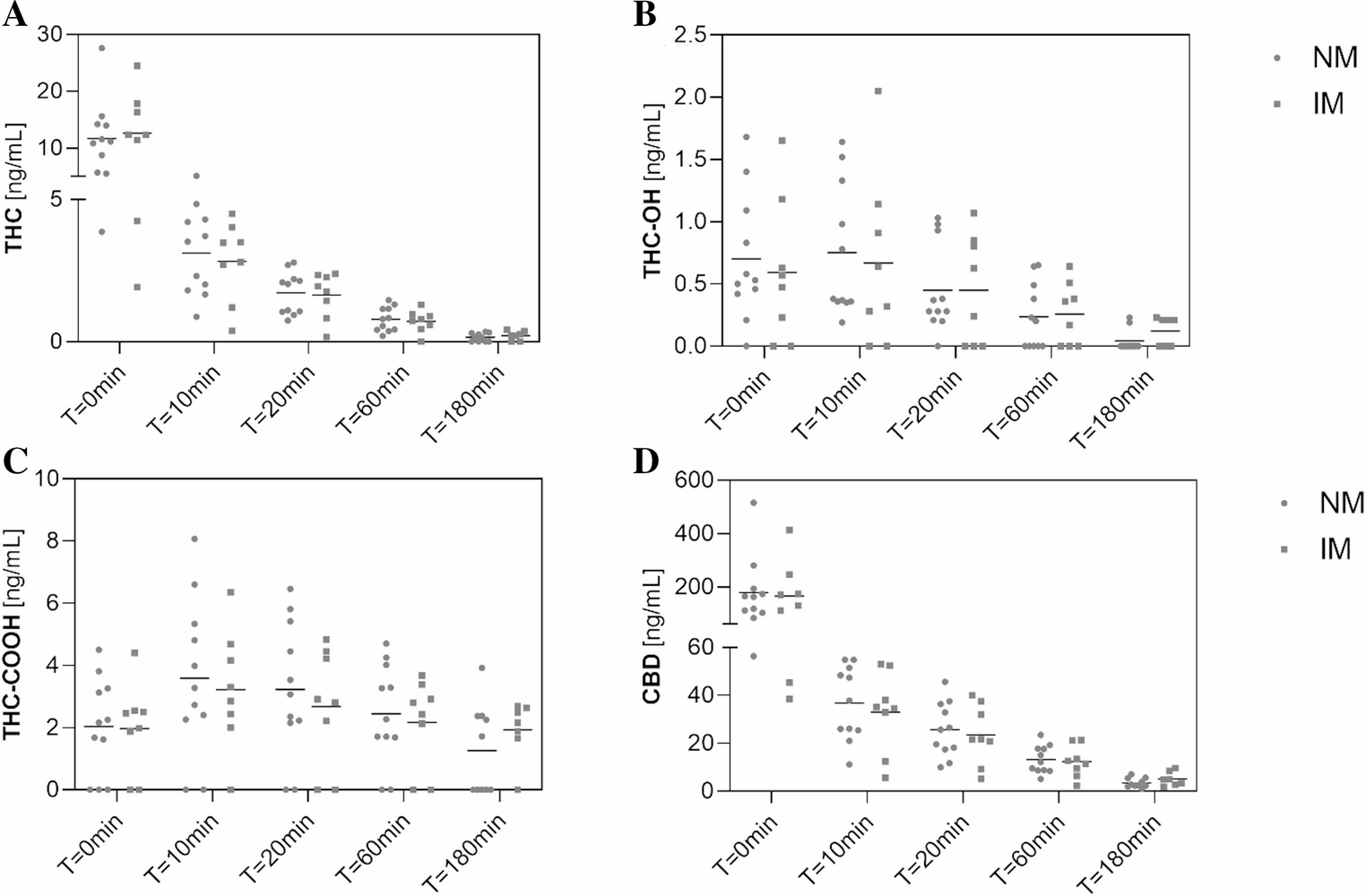
Assessing the influence of CYP2C9 and CYP2C19 genotypes on the metabolism of CBD-cannabis after controlled single and repetitive consumption
The availability of cannabis for recreational and medical purposes has increased substantially, making it the most widely ...
International Journal Of Legal Medicine
comment
0
thumb_up
0
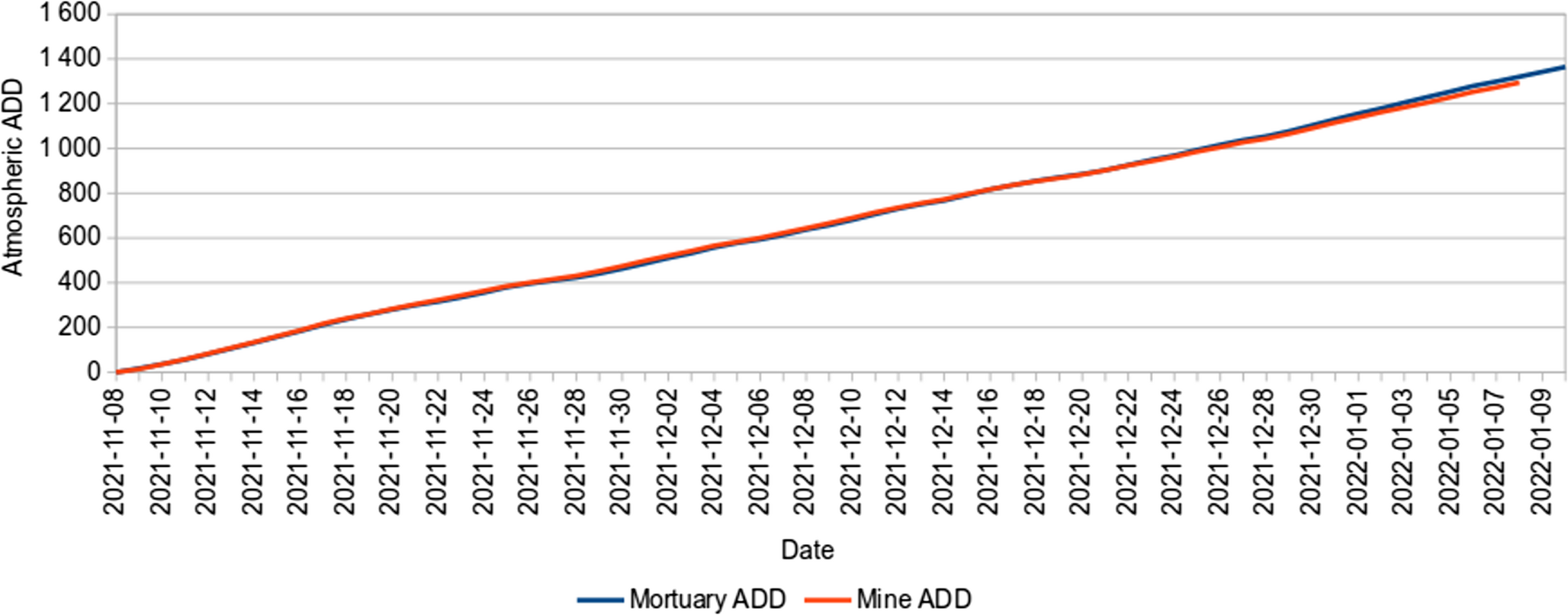
Quantification of luminol chemiluminescence: a tool for estimating the postmortem interval of skeletal human remains
Postmortem interval (PMI) estimation is mandatory in any forensic investigation. Although it remains a very challenging ta...
International Journal Of Legal Medicine
comment
0
thumb_up
0
The effect of burial in containers filled with naturally occurring soil and mine tailings on decomposition: a porcine pilot study
Due to the complexity of the decomposition process and all the variables affecting it, there are many factors that have no...
International Journal Of Legal Medicine
comment
0
thumb_up
0
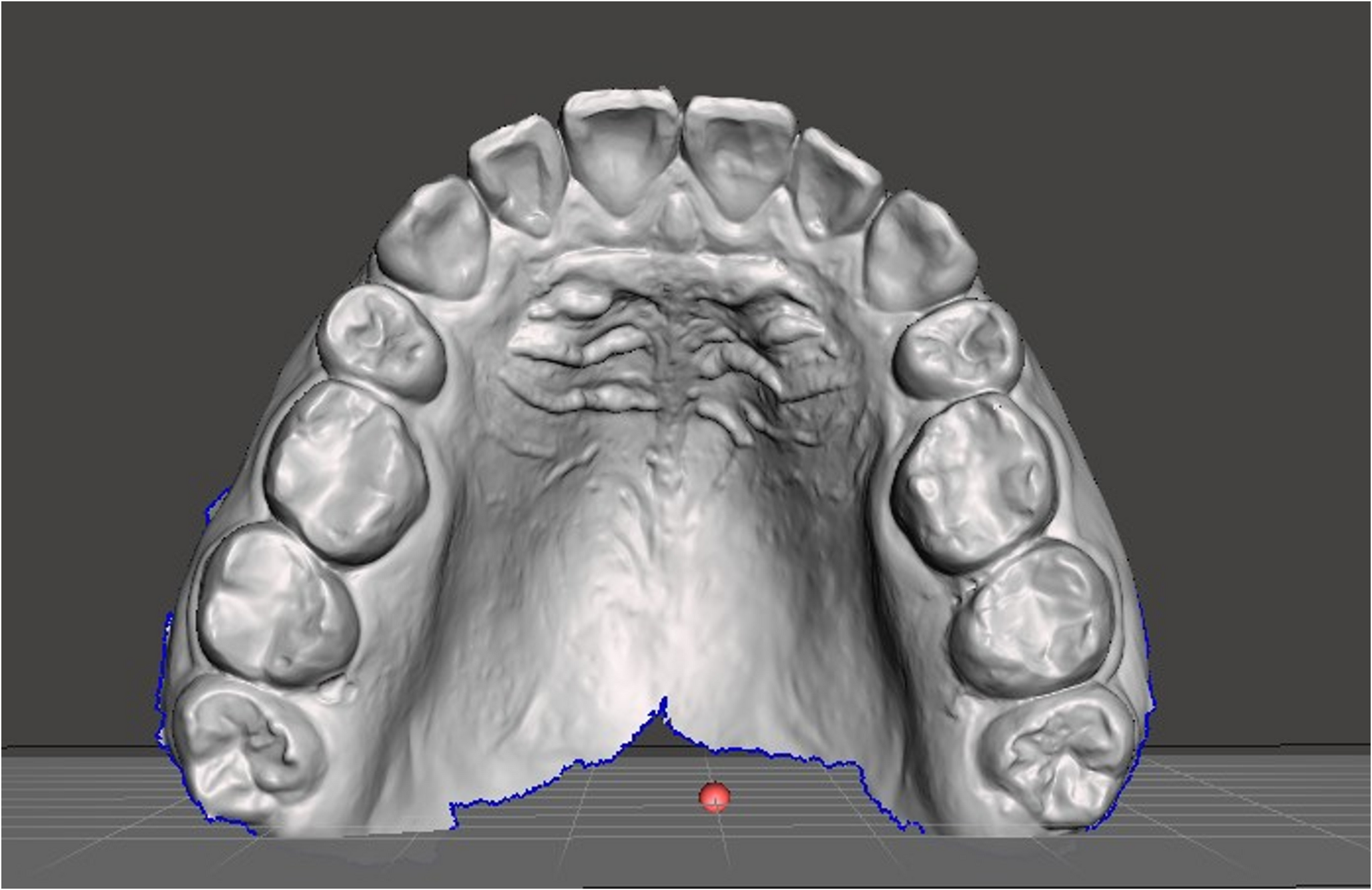
Distinguishing actual from 3D-rinted bite marks in forensic odontology: accuracy and reliability of digital analysis
The convenience of gathering evidence is enhanced by three-dimensional (3D) scanner and printer technologies, however they...
International Journal Of Legal Medicine
comment
0
thumb_up
0
Responses of skin and salivary microbiome to different environmental exposures
Forensic microbiology allows identification by microbiome analysis when human DNA analysis is limited. However, microbiome...
International Journal Of Legal Medicine
comment
0
thumb_up
0
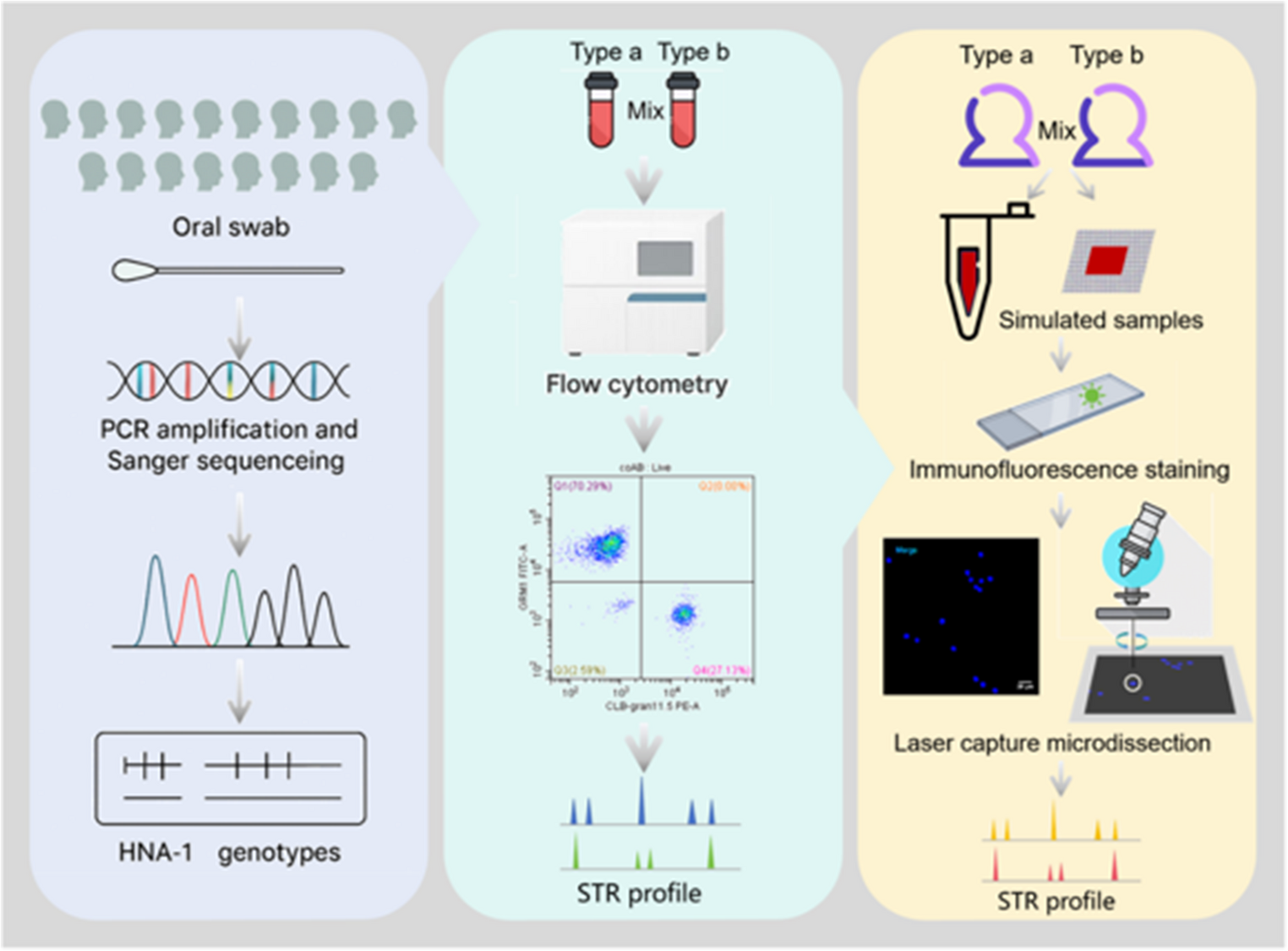
Separation and identification of two-individual mixed bloodstains using human neutrophil antigen-1 antibodies
Mixed biological stains are commonly encountered biological samples in forensic investigation. They are often challenging ...
International Journal Of Legal Medicine
comment
0
thumb_up
0
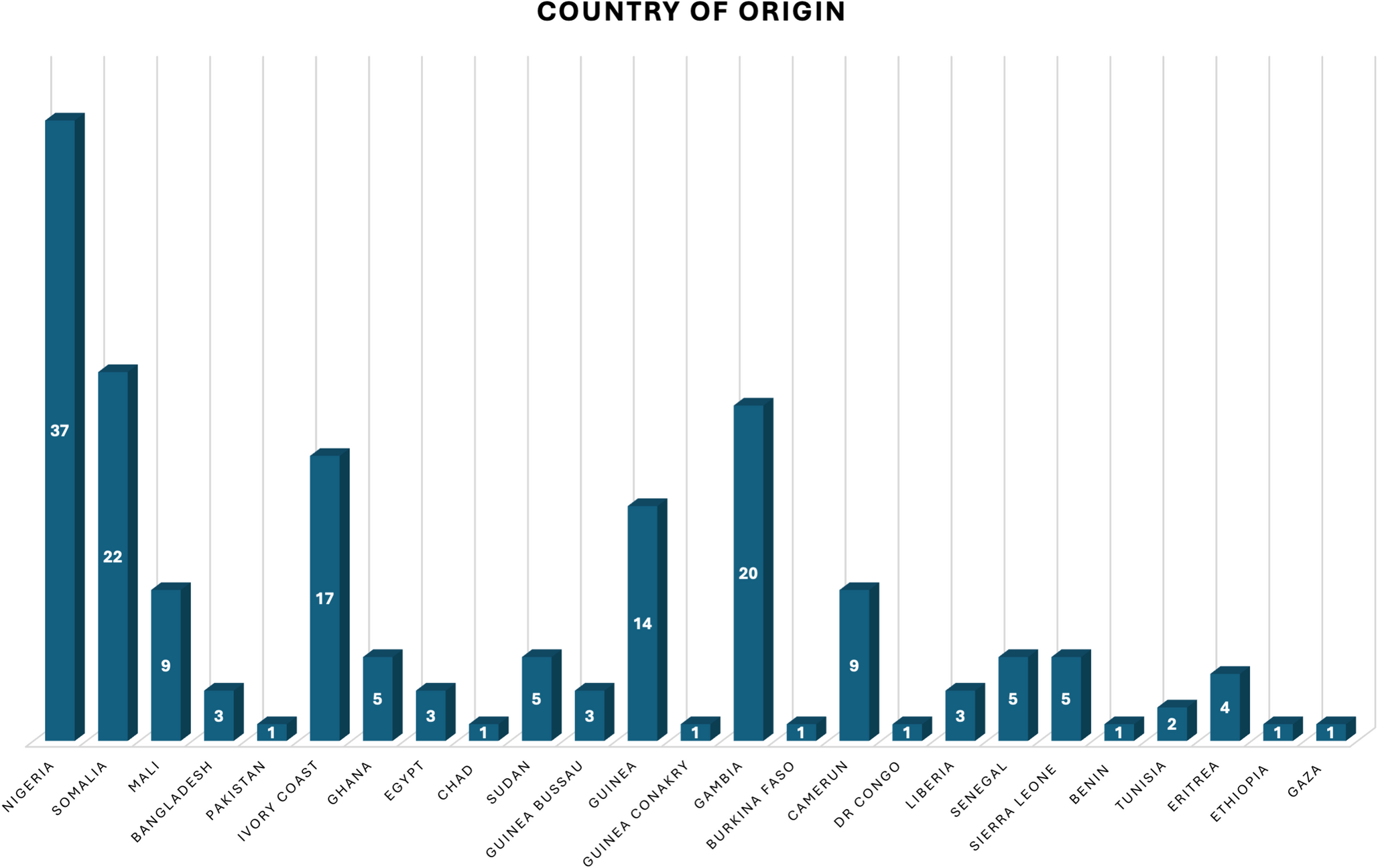
The migrant experience through the lens of forensic medicine: the multifaceted utility of asylum applicants’ medico-legal narratives and forensic evidence analysed over time
The comprehensive involvement of forensic practitioners in asylum cases aids the accurate identification and overall evalu...
International Journal Of Legal Medicine
comment
0
thumb_up
0
Genetic diversity and forensic profiling: analysis of 20 CODIS STR Loci in the population of West Bengal, India
West Bengal, situated in eastern India, is renowned for its diverse landscape and significant population density. This stu...
International Journal Of Legal Medicine
comment
0
thumb_up
0
Comparison among artificial intelligence-based age estimation from morphological analysis of the pubic symphysis versus experienced and novice practitioners using a new atlas for component labeling
Traditional age estimation methods based on macroscopic observation has been criticized for being excessively dependent on...
International Journal Of Legal Medicine
comment
0
thumb_up
0
A simple optical microscopy-based diatom classification approach for forensic drowning site inference: a pilot study
Diatom taxonomy is integral to drowning site inference, aiding in event reconstruction and the differentiation between acc...
International Journal Of Legal Medicine
comment
0
thumb_up
0
A preliminary study on cause‑of‑death discrimination and the pathological stage identification in acute ischemia heart disease (AIHD) based on plasma lipidomic technique and machine learning algorithms
The sudden death discrimination of acute ischemia heart disease (AIHD) and the determination of the AIHD pathological stag...
International Journal Of Legal Medicine
comment
0
thumb_up
0
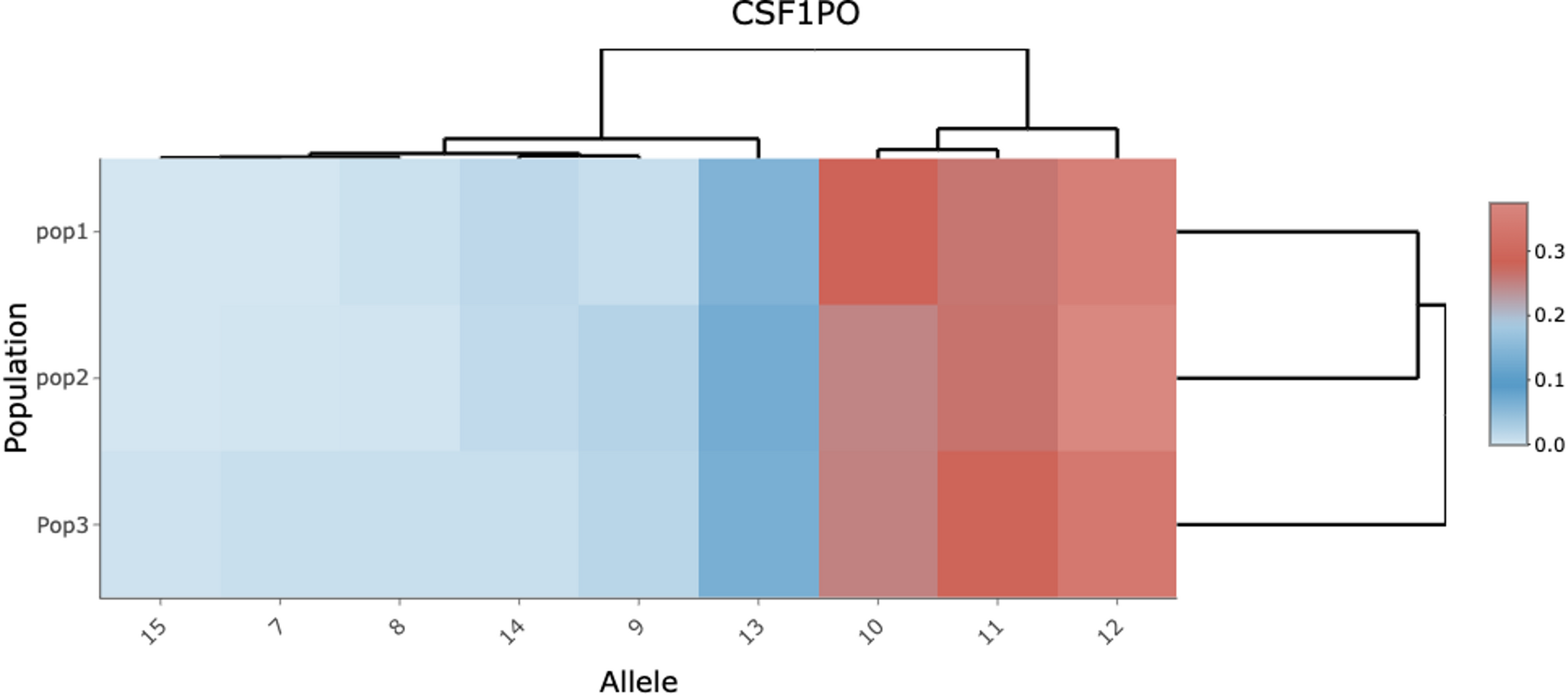
Allele frequencies and forensic parameters based upon 23 Autosomal STRs loci of 406 Cambodian individuals in Thailand
This study evaluated the allele frequencies and forensic parameters of 23 autosomal short tandem repeat (aSTR) loci in 406...
International Journal Of Legal Medicine
comment
0
thumb_up
0
Differential gene expression during intra-puparial period of (Diptera: Calliphoridae) for improving minimum postmortem interval estimation
One of the main objectives of forensic entomology is to estimate the minimum postmortem interval (PMImin) by analyzing the...
International Journal Of Legal Medicine
comment
0
thumb_up
0
Postmortem Testing for HIV, HBV, and HCV: Insights from Autopsy Findings
A body brought for autopsy is full of information, which is visible only to those who are willing to see it carefully The ...
International Journal Of Legal Medicine
comment
0
thumb_up
0
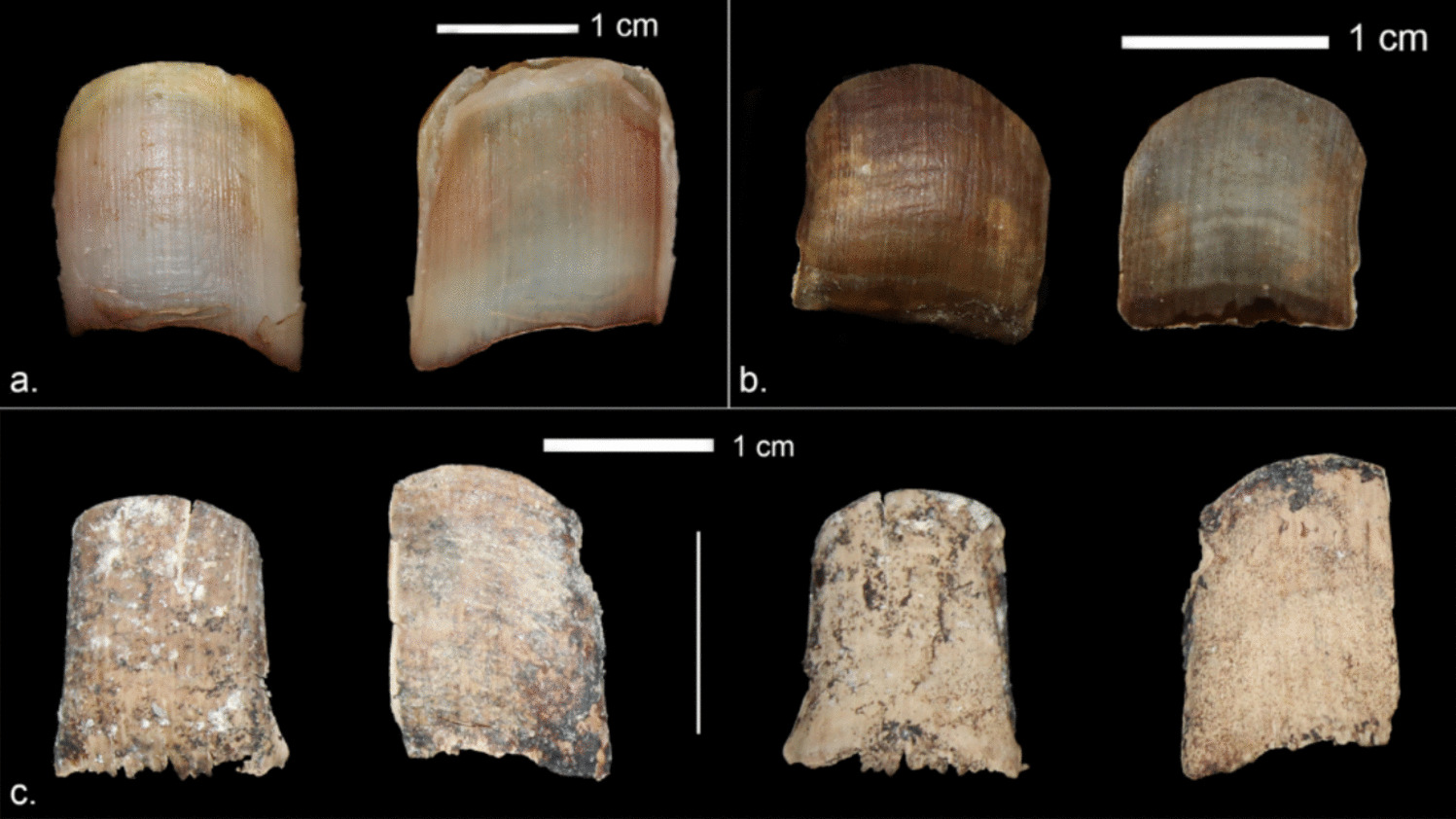
Three-step forensic approach for the differentiation of human and pig fingernail-like fragments: macroscopic examination, raman spectroscopy and histogenetic analyses
In 2019, archaeo-forensic excavations were conducted at an agricultural structure to find a missing person. Sieving operat...
International Journal Of Legal Medicine
comment
0
thumb_up
0
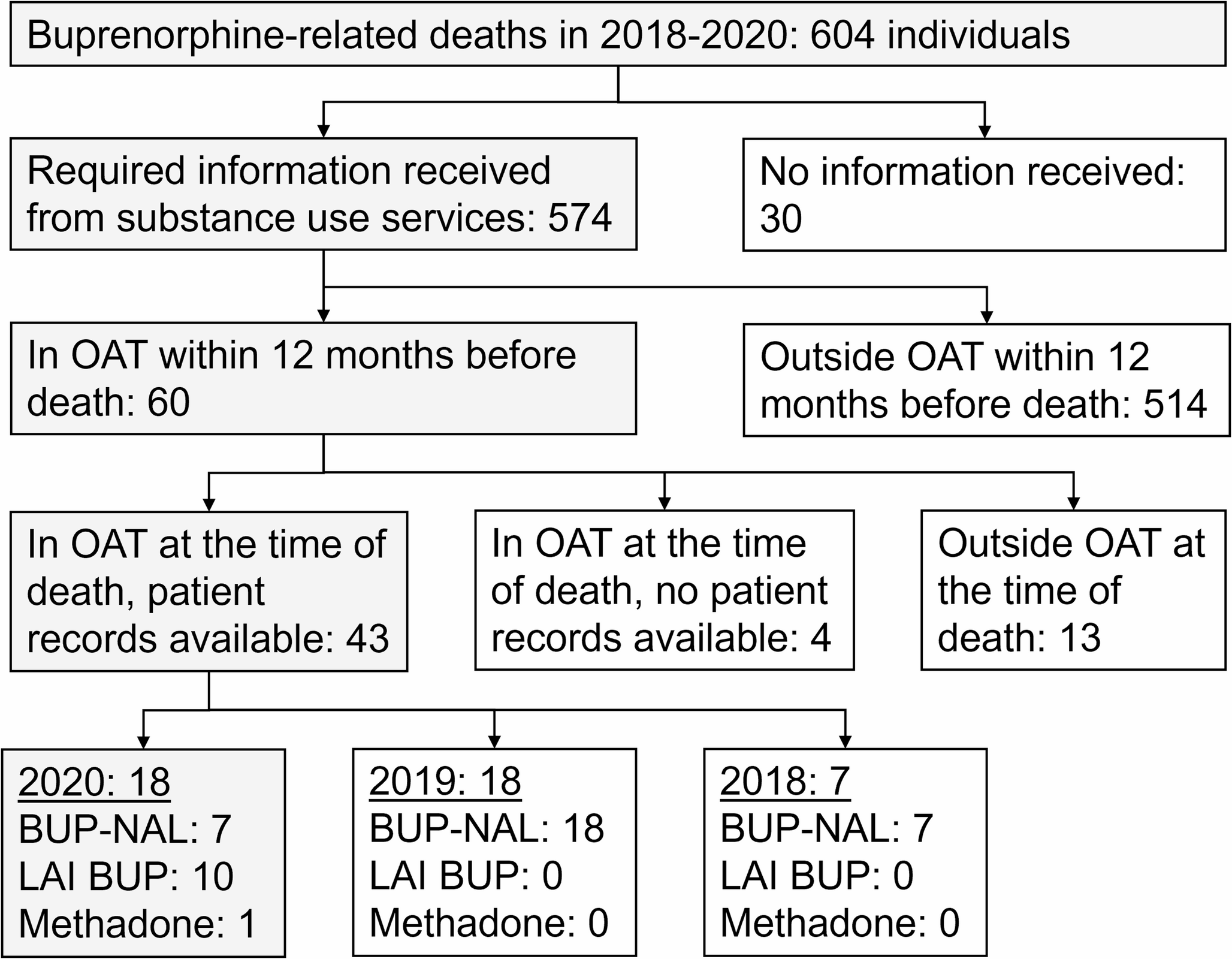
Fatalities in opioid agonist treatment with long-acting injectable buprenorphine
Long-acting injectable buprenorphine (LAI BUP) is a novel opioid agonist treatment (OAT) medication with several benefits ...
International Journal Of Legal Medicine
comment
0
thumb_up
0
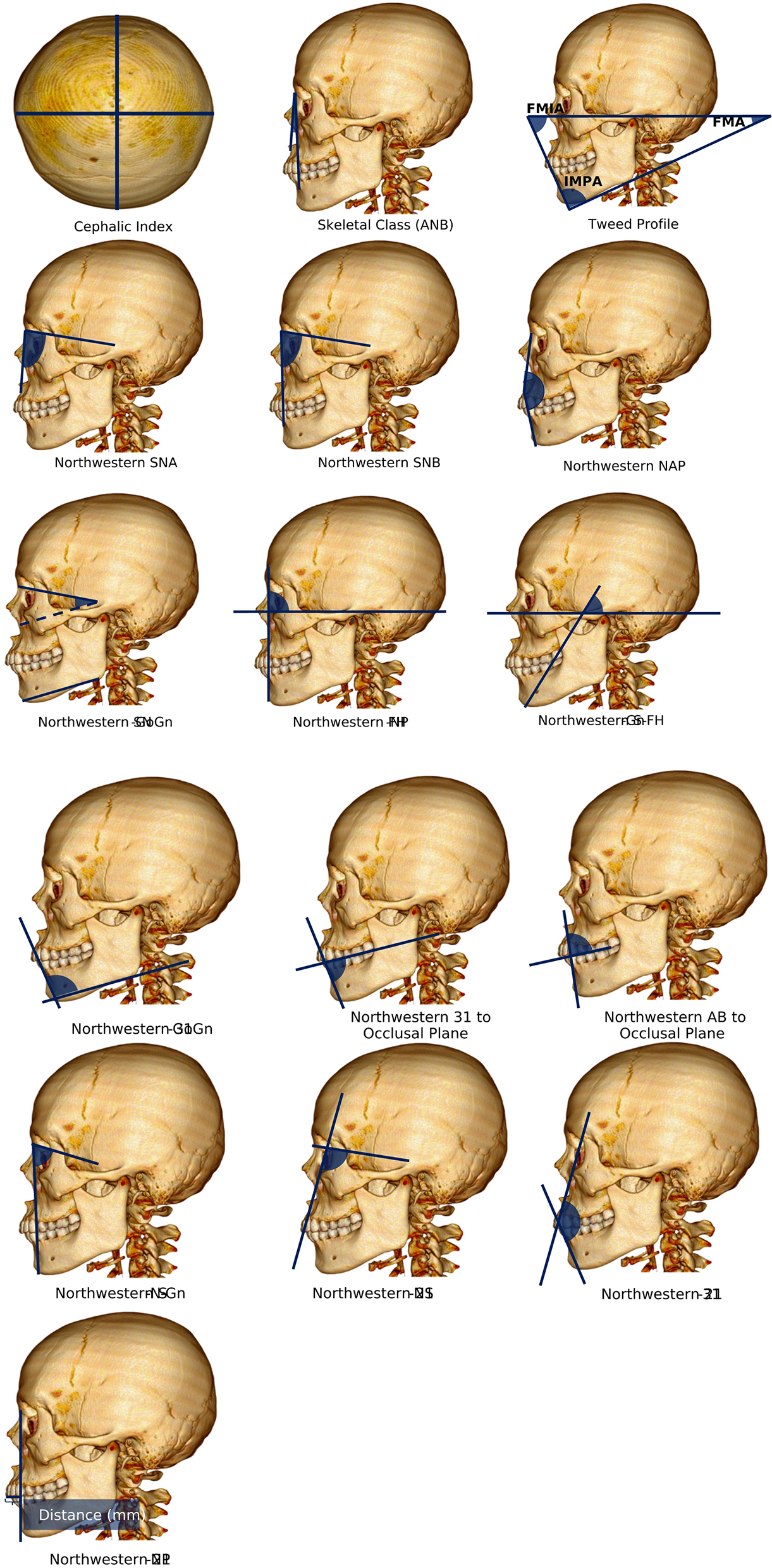
Assessing the contribution of orthodontic profiles in predicting facial soft tissue thickness for forensic facial approximation
Facial soft tissue thickness (FSTT) is essential for forensic facial approximation. Although its correlations with age, se...
International Journal Of Legal Medicine
comment
0
thumb_up
0
Foren-STR: a comprehensive tool for rapid calculation of forensic parameters from autosomal STR data
In forensic genetics, prior to solving paternity or identification cases, it is mandatory to analyze population data of ge...
International Journal Of Legal Medicine
comment
0
thumb_up
0
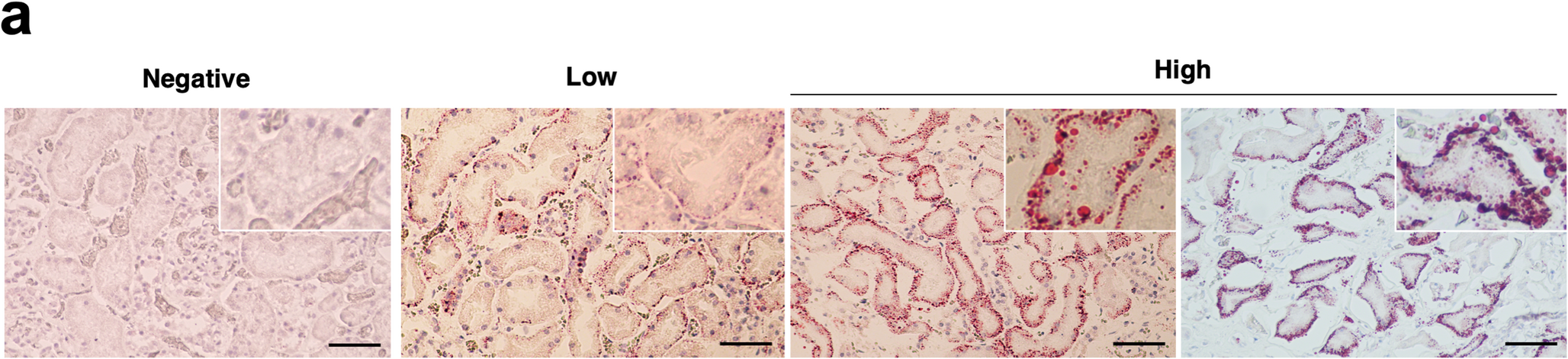
Hypothermia drives fatty acid transporter 1 upregulation and lipid accumulation in renal tubules: evidence from forensic cases
Forensic pathology lacks generally accepted markers for hypothermia, relying instead on various physiological responses to...
International Journal Of Legal Medicine
comment
0
thumb_up
0
Load More
Modal title
×
Modal title
×
Share
Login
Global News and Health Forum
Join Now!
Member Login
Remember me
Forgot password?
Or using
Linkedin